FBI Vault, Abner Zwillman, Part 01: Newark and New York files, 1935 to 1956
First part of the FBI's released Zwillman file, 140 pages: 1935 memoranda on a federal judge's complaint about Newark racketeering, a June 1950 summary memorandum on Zwillman built from informants of varying reliability, and 1951 to 1956 "Top Hoodlum Coverage" memoranda. Read from a poor OCR.
- Date
- 1935/1956
- Kind
- case-file
- Source
- FBI Records: The Vault
- Retrieved
- 2026-10-12
- Rights
- Records of the Federal Bureau of Investigation released under the Freedom of Information Act. A federal work, public domain in the United States under 17 U.S.C. § 105. Redactions are as released by the FBI. The stored image is the first page of the part as the Vault viewer serves it.
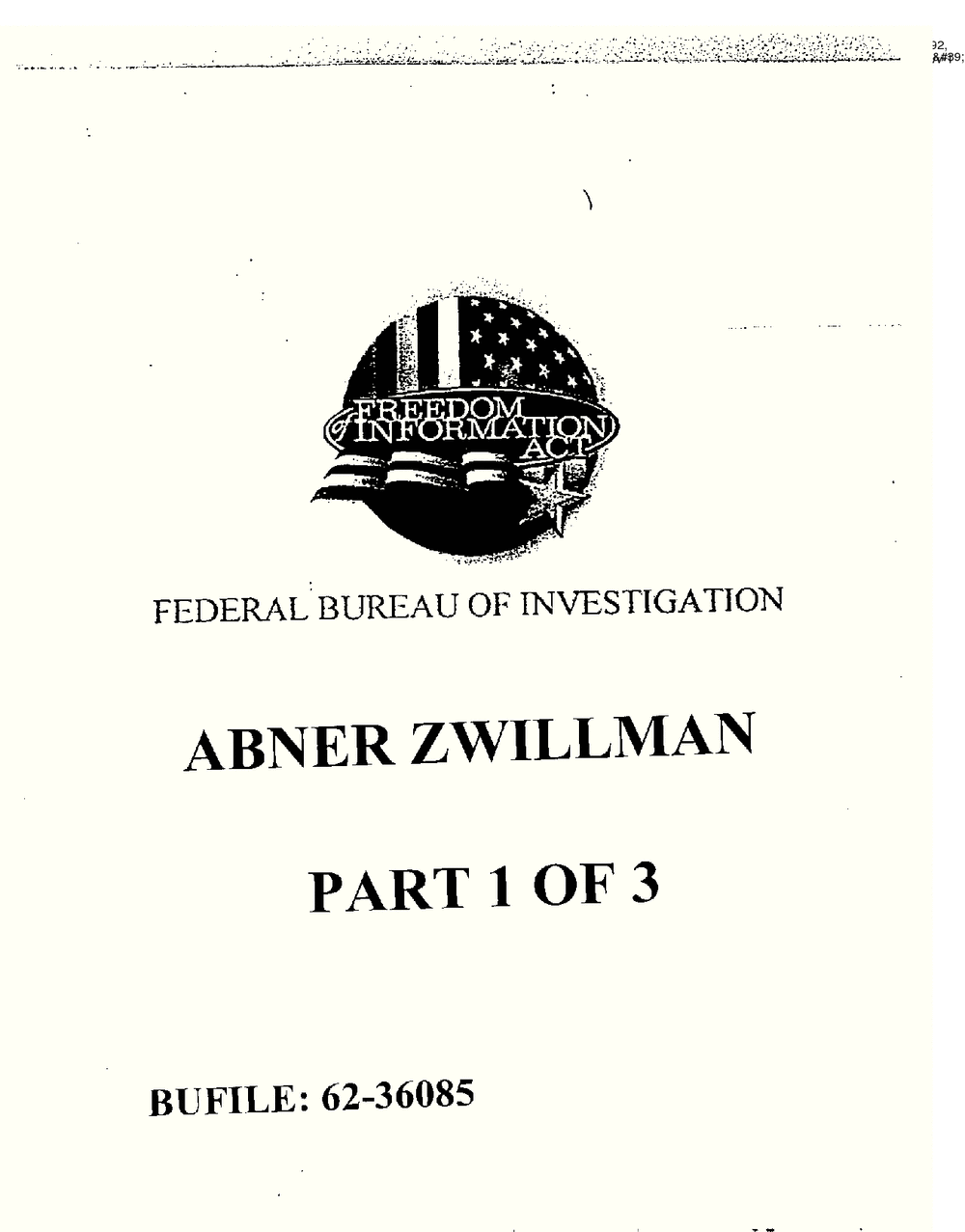
The Vault viewer shows 140 pages. The stored image is page 1, an FBI Freedom of Information Act cover sheet reading “Abner Zwillman, Part 1 of 3, Bufile: 62-36085”; the Vault’s own part numbering (Parts 01 to 07) differs from the cover sheets’. Everything else here is read from the viewer’s OCR text layer, which is poor: many pages are illegible, and page numbers are the viewer’s.
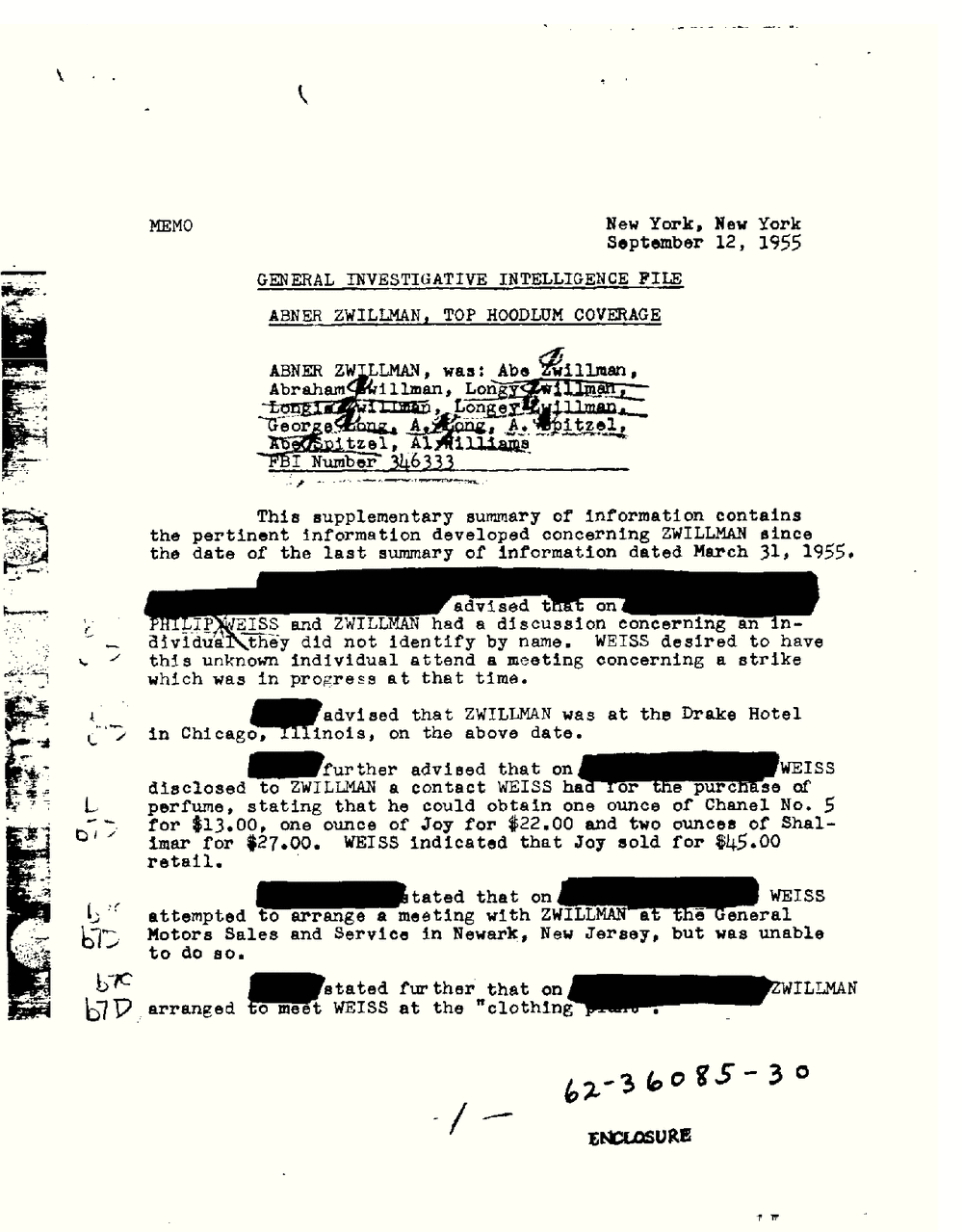
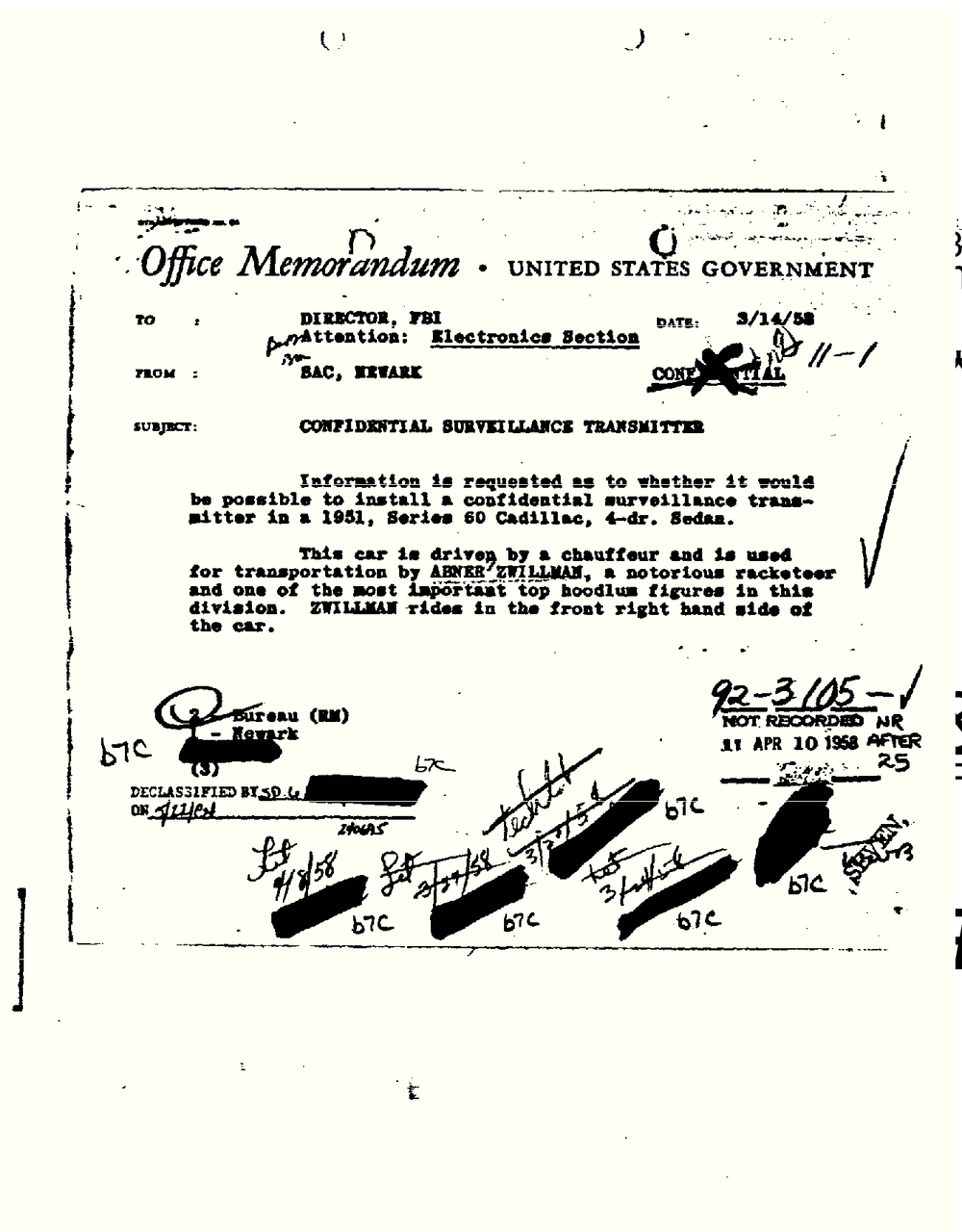
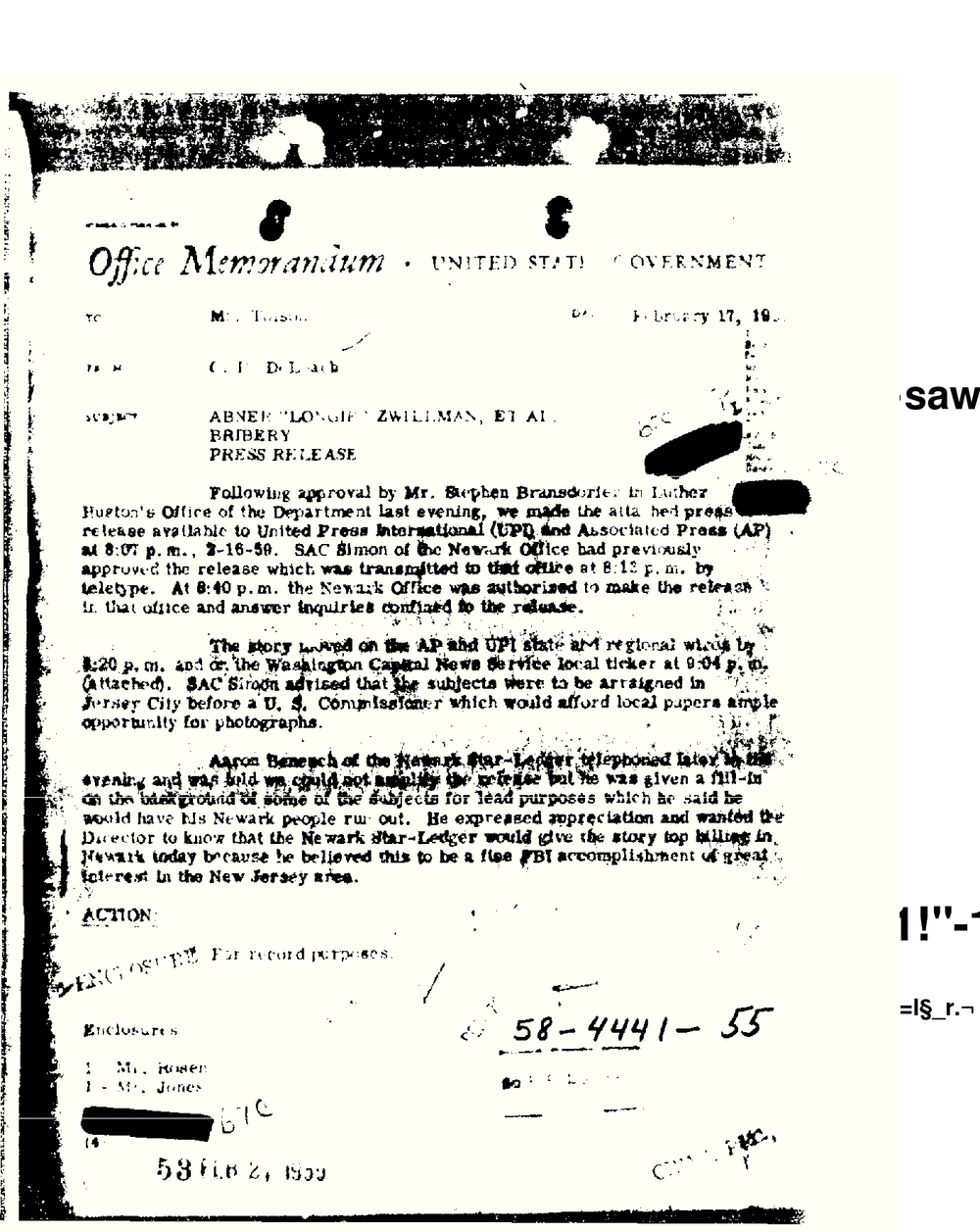
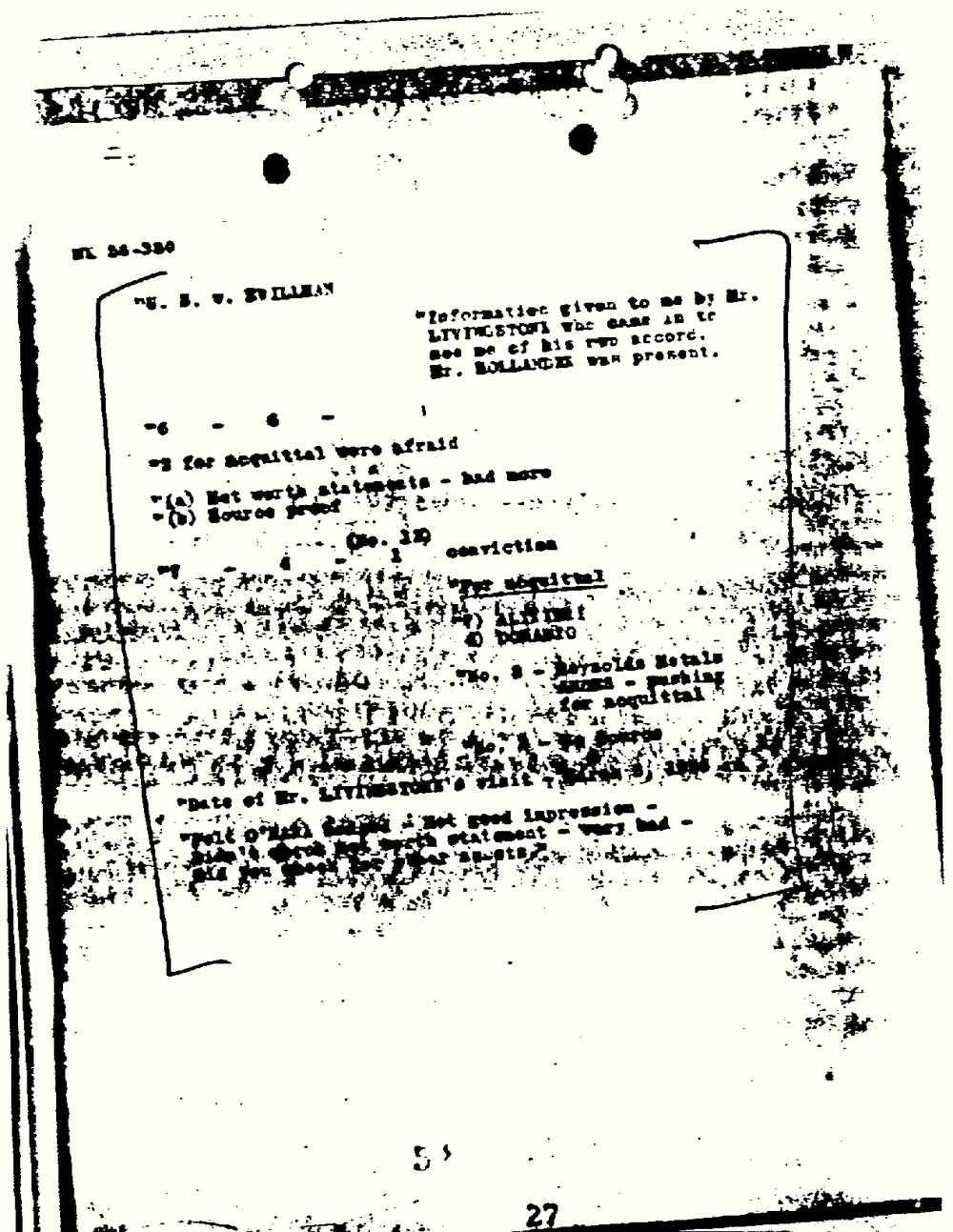
The earliest papers are November 1935 memoranda recording a telephone call from United States District Judge William Clark of Newark about the crime situation in Newark, in which he urged the Bureau to send investigators; the memorandum’s writer “pointed out to Judge Clark that income tax matters are not within the investigative jurisdiction of this Bureau, the same being handled by the Treasury Department.” (One memo date reads 1936 in the OCR; the content places it in late 1935.) A memorandum from the Newark office dated June 7, 1950 summarizes the Bureau’s information on Zwillman: it lists his names as “Abe Zwillman, Abraham Zwillman, Longy Zwillman, Longie Zwillman, Longey Zwillman, George Long, A. Long, A. Spitzel” and others, states that he was born in Newark on July 27, 1904, and gives an arrest record beginning in 1926 under the name George Long (page 51). It relays informants’ allegations about Prohibition-era liquor operations and associates; the memo itself marks some of its sources as “of unknown reliability” or “of questionable reliability.” Later pages are 1951 to 1956 New York and Newark memoranda headed “Top Hoodlum Coverage,” including references to his testimony before the Senate crime committee and to his failure to appear there for some days.
The informants’ statements are allegations recorded by the FBI, not findings. The file’s account of the 1939 contempt case matches 108 F.2d 802. The contents list of Kefauver Part 12 includes “Zwillman, Abner” among its witnesses. The 1935 shooting of Dutch Schultz in Newark is mentioned in these memoranda only as context and is not described here.