This page is the city. The Chicago Outfit page is the organization, and the Al Capone hub is one man’s file. Each record below stands on its own page with its citation and rights basis, and the places on the map come from those pages. Where a page prints no street number, the pin is the named building or the suburb, not an address.
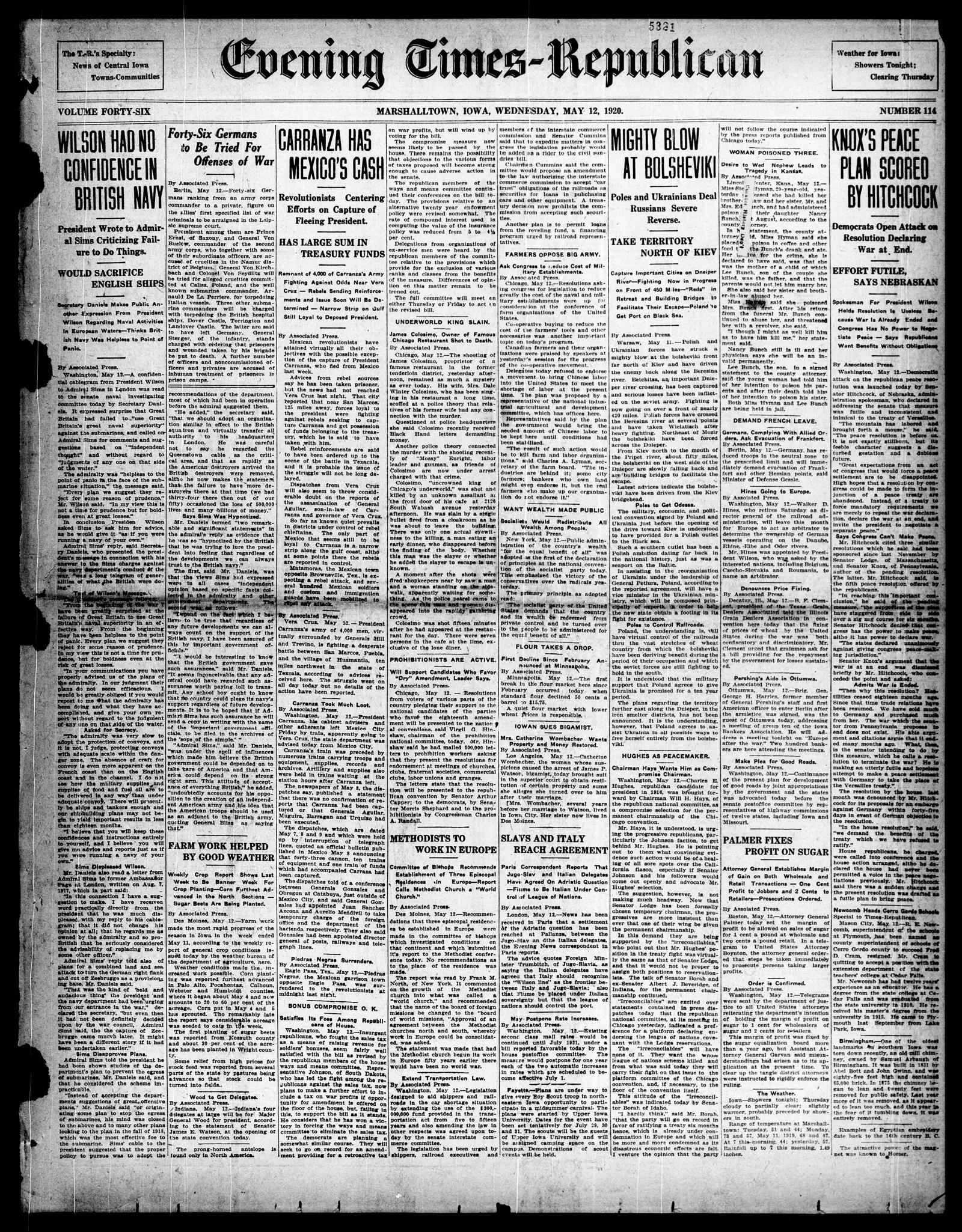
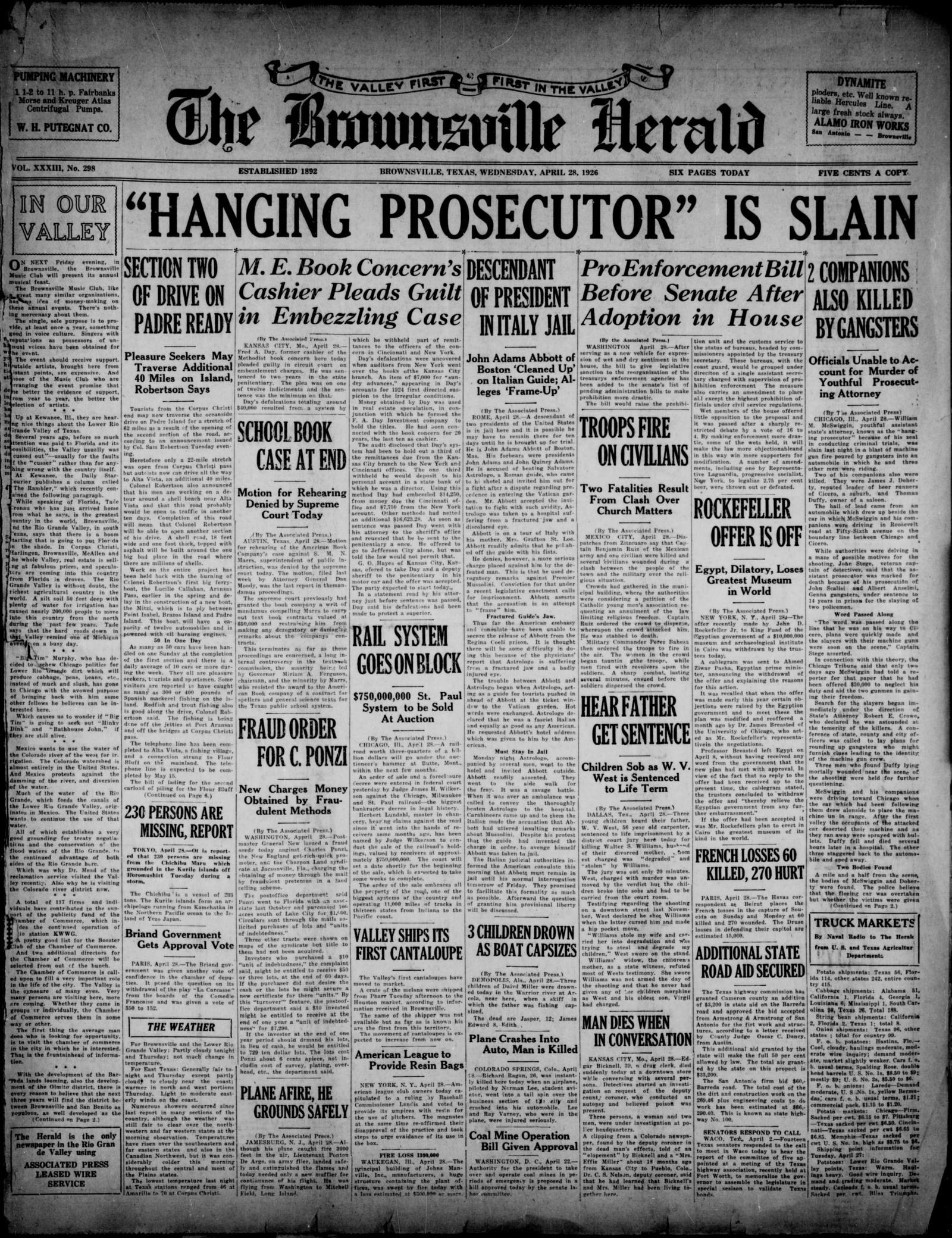
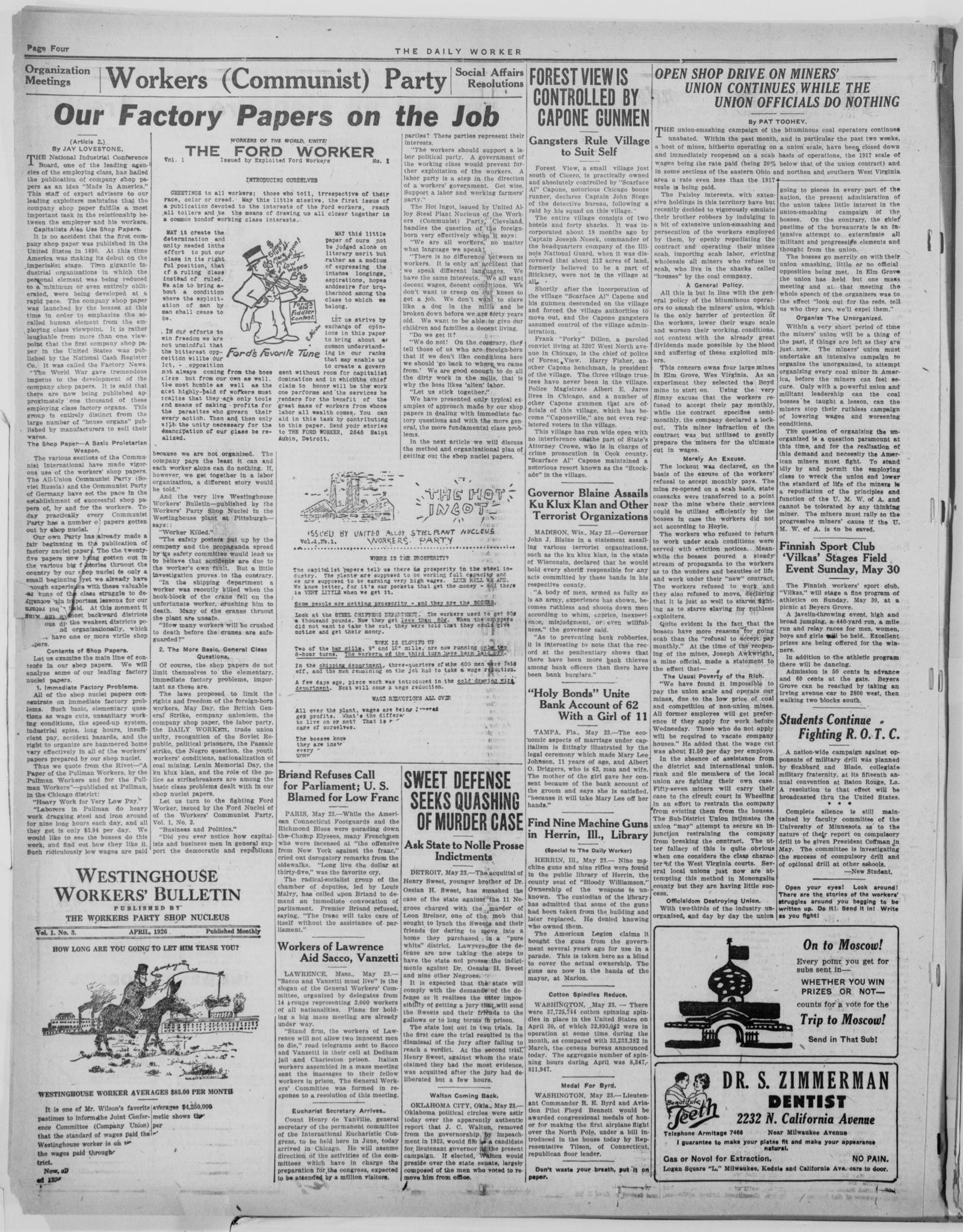
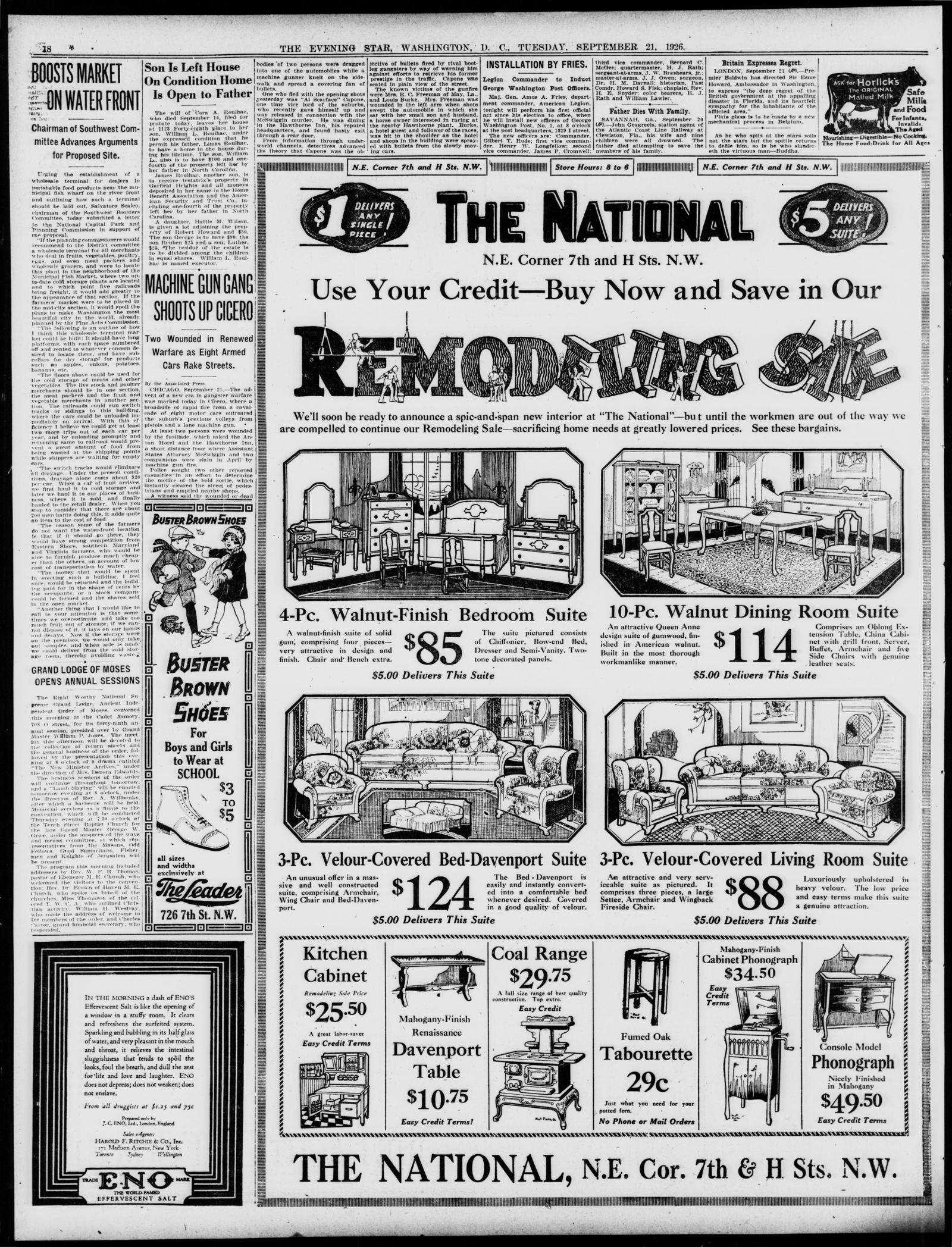
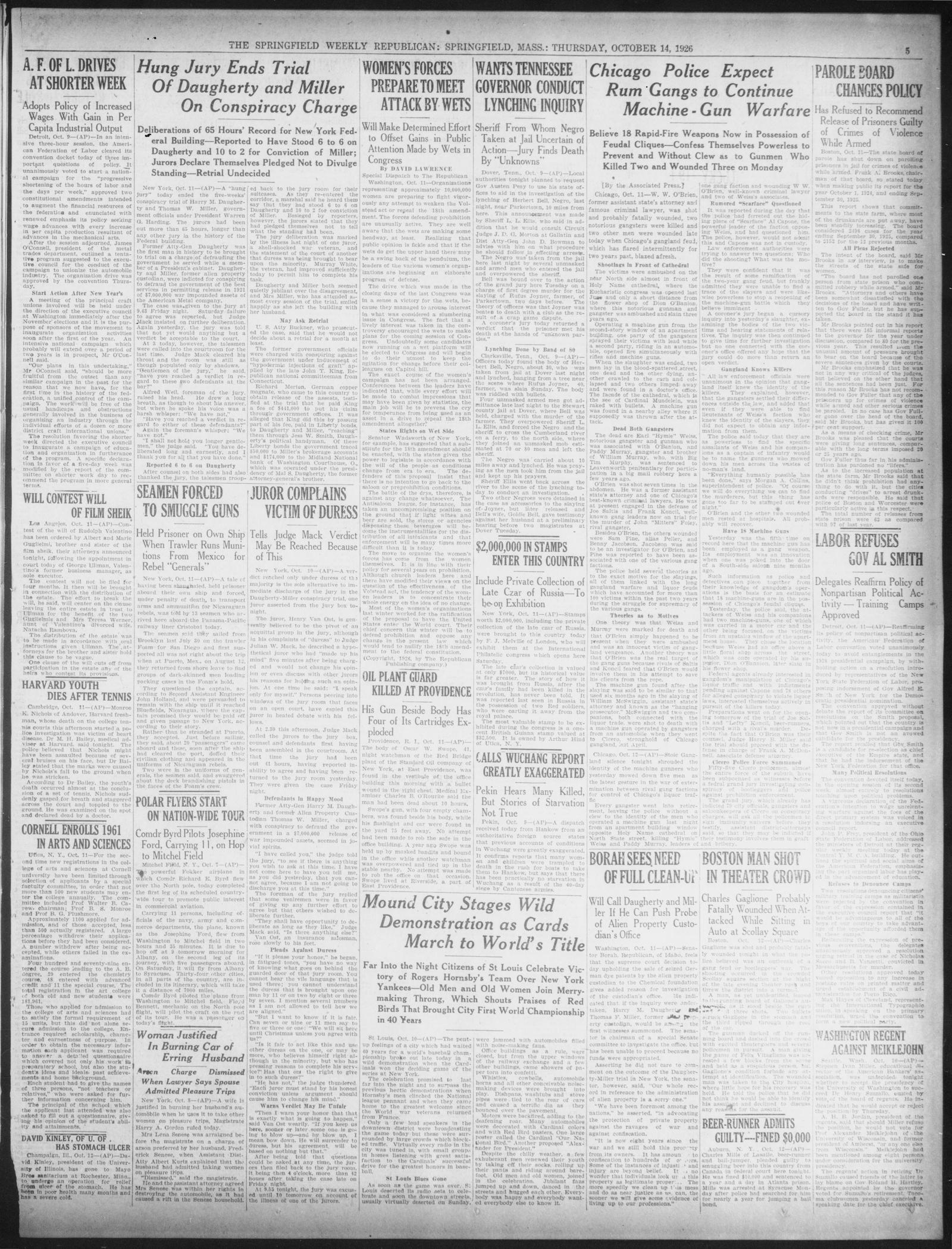
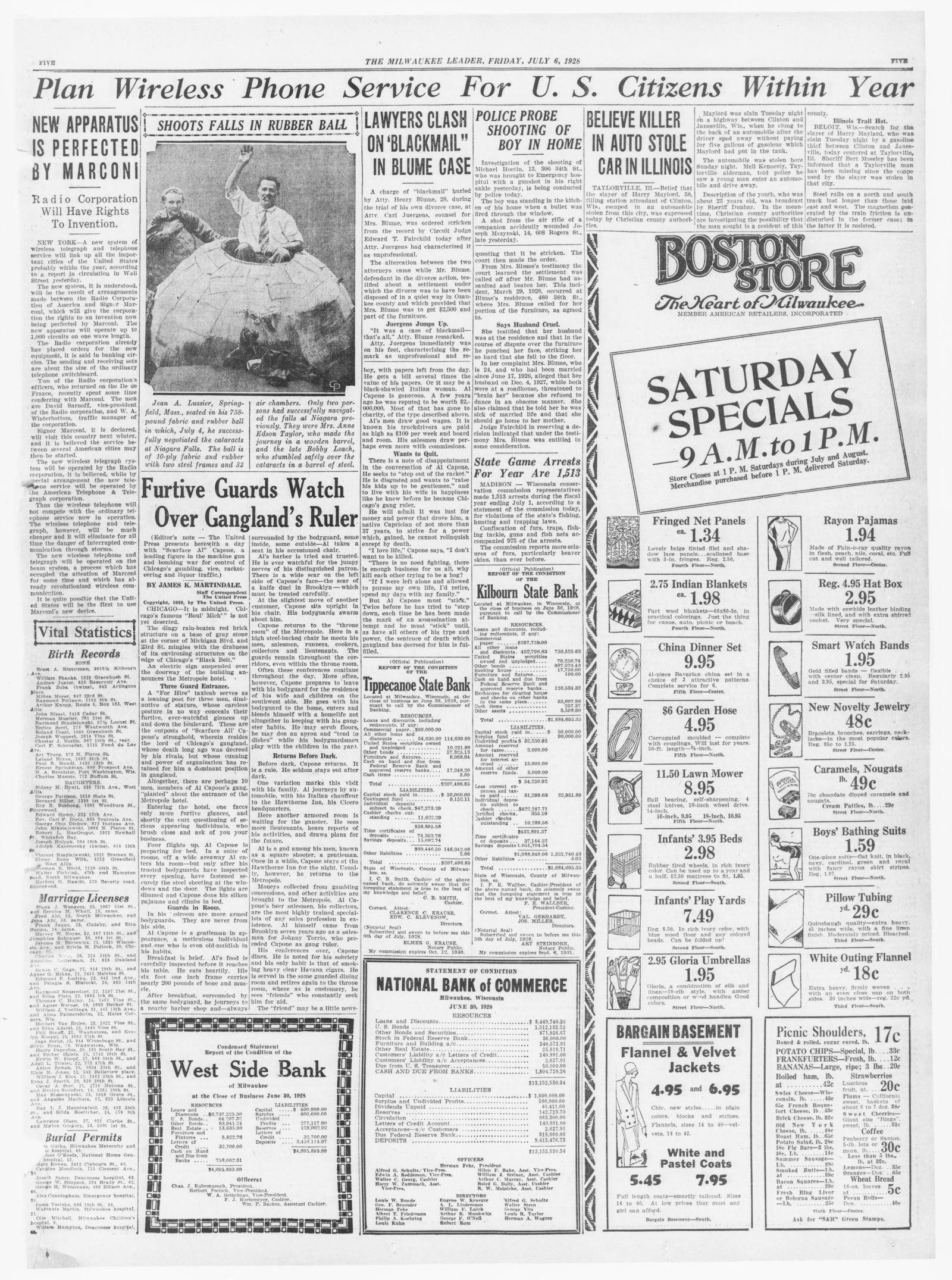
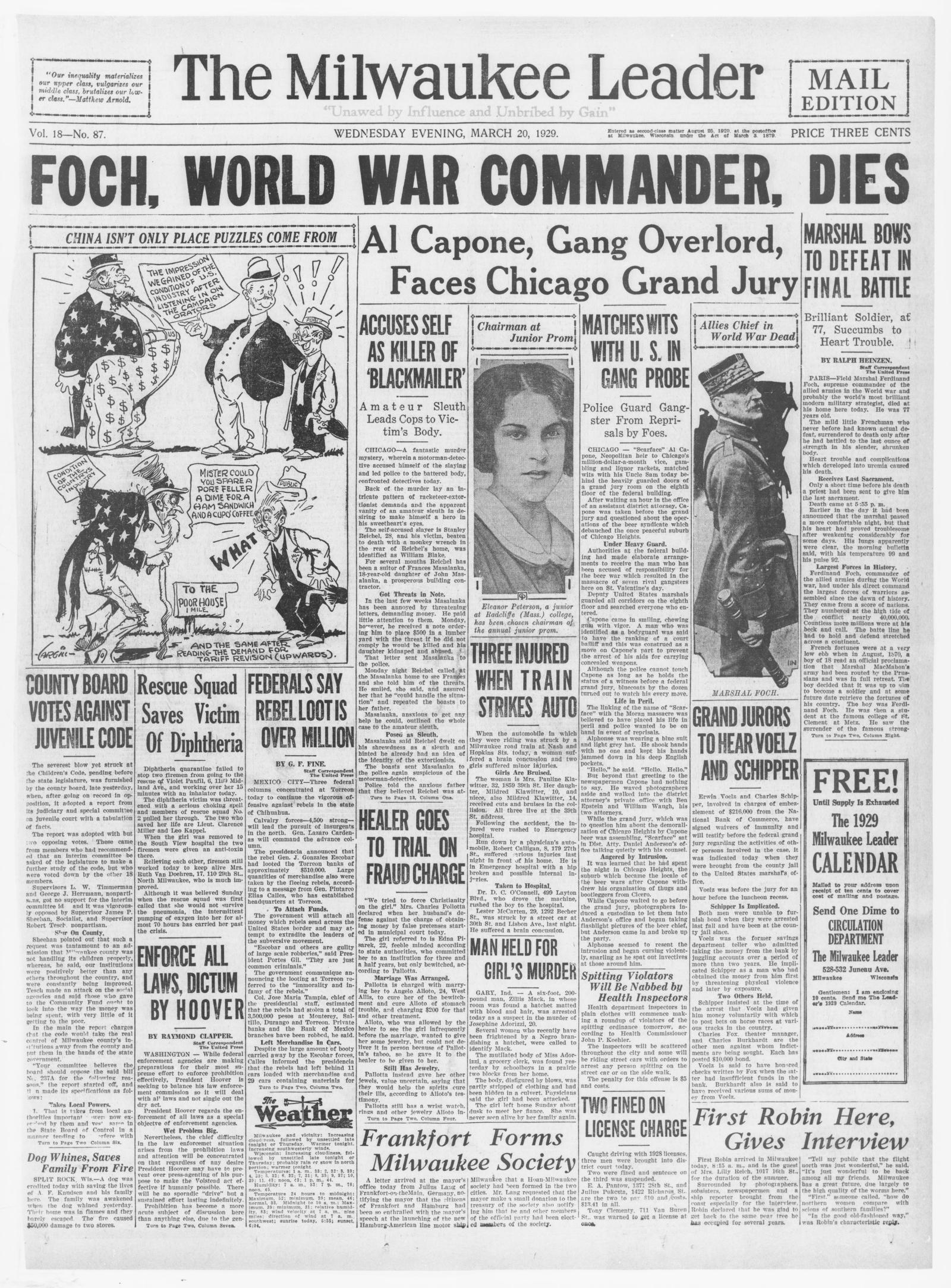
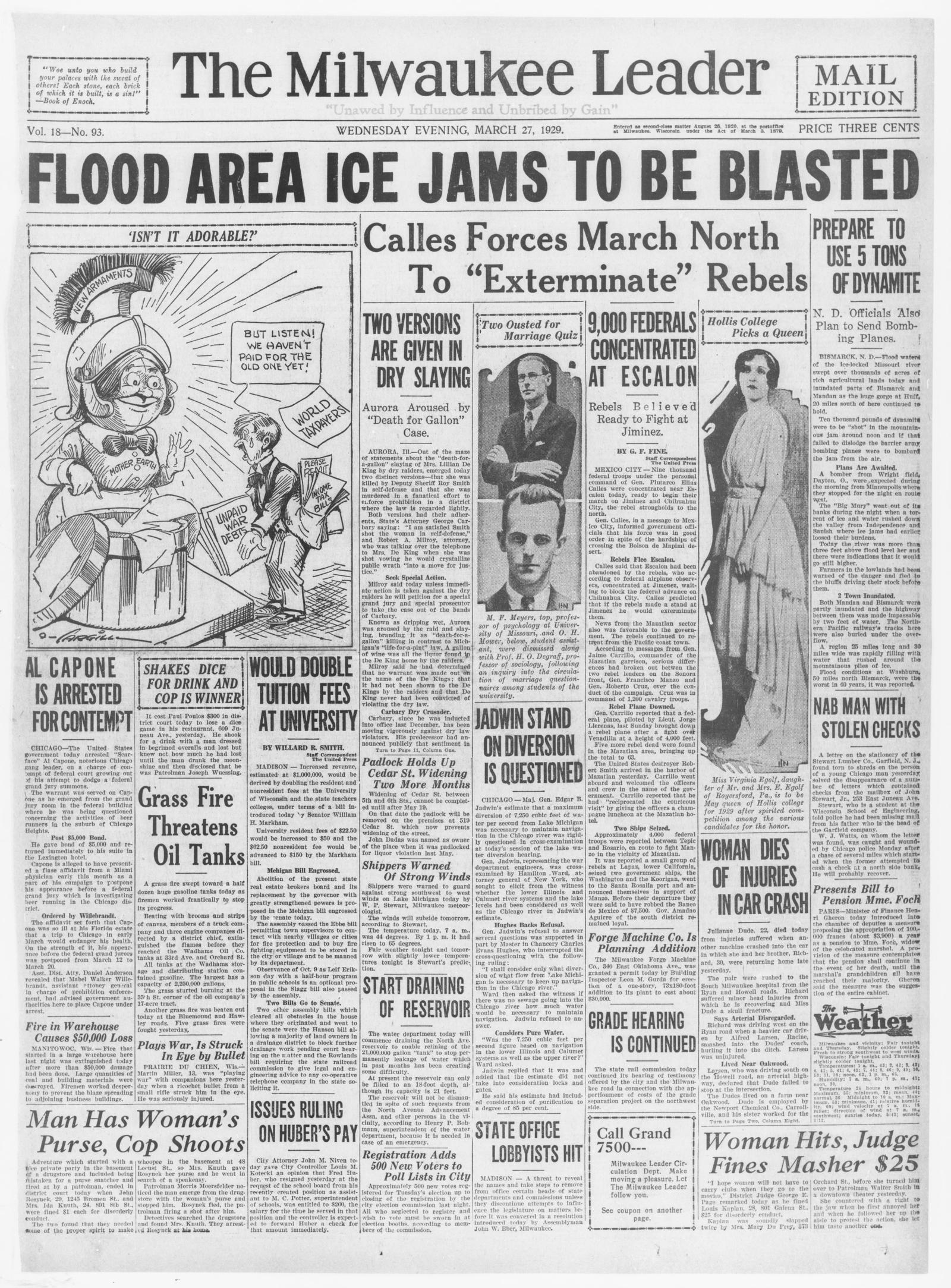
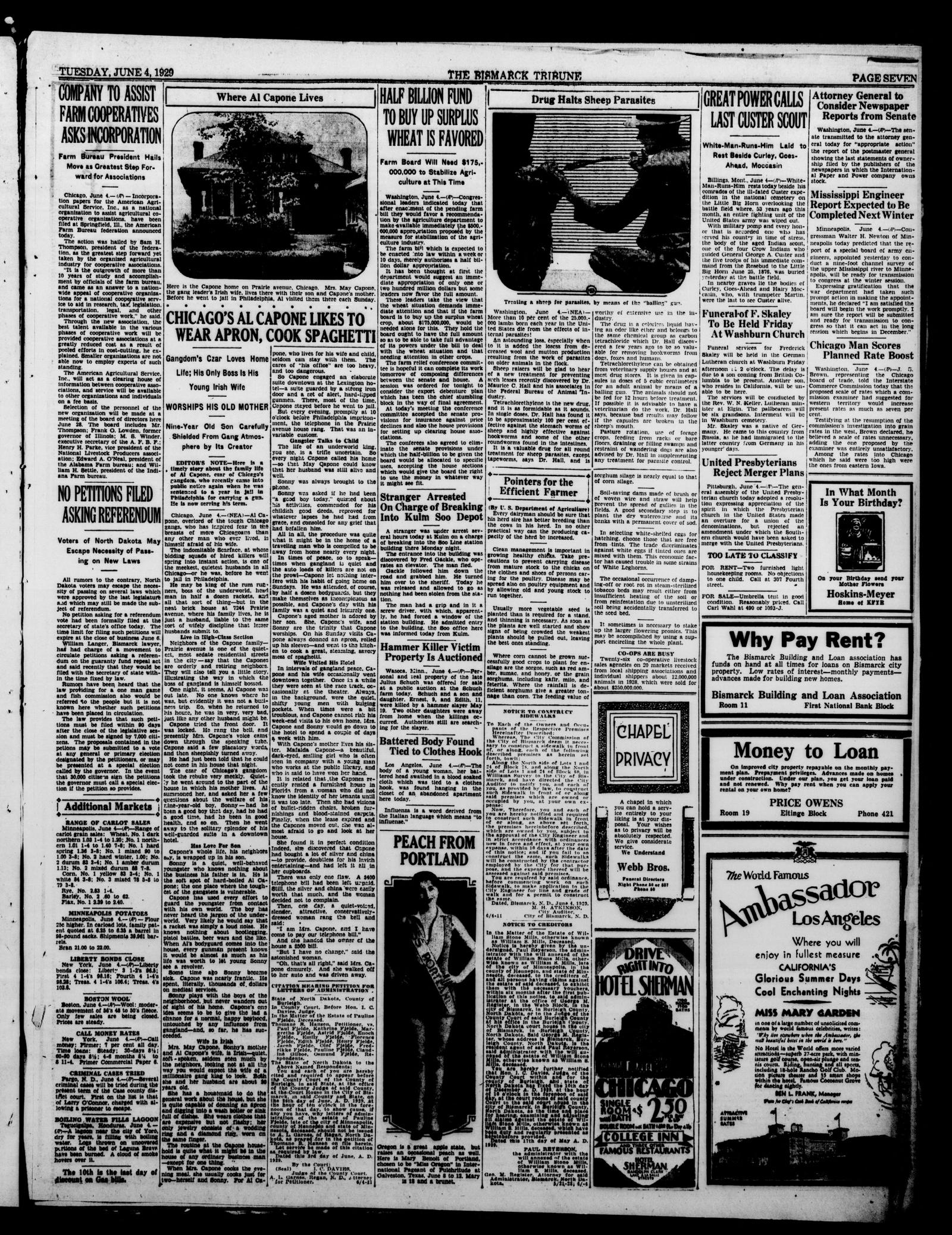
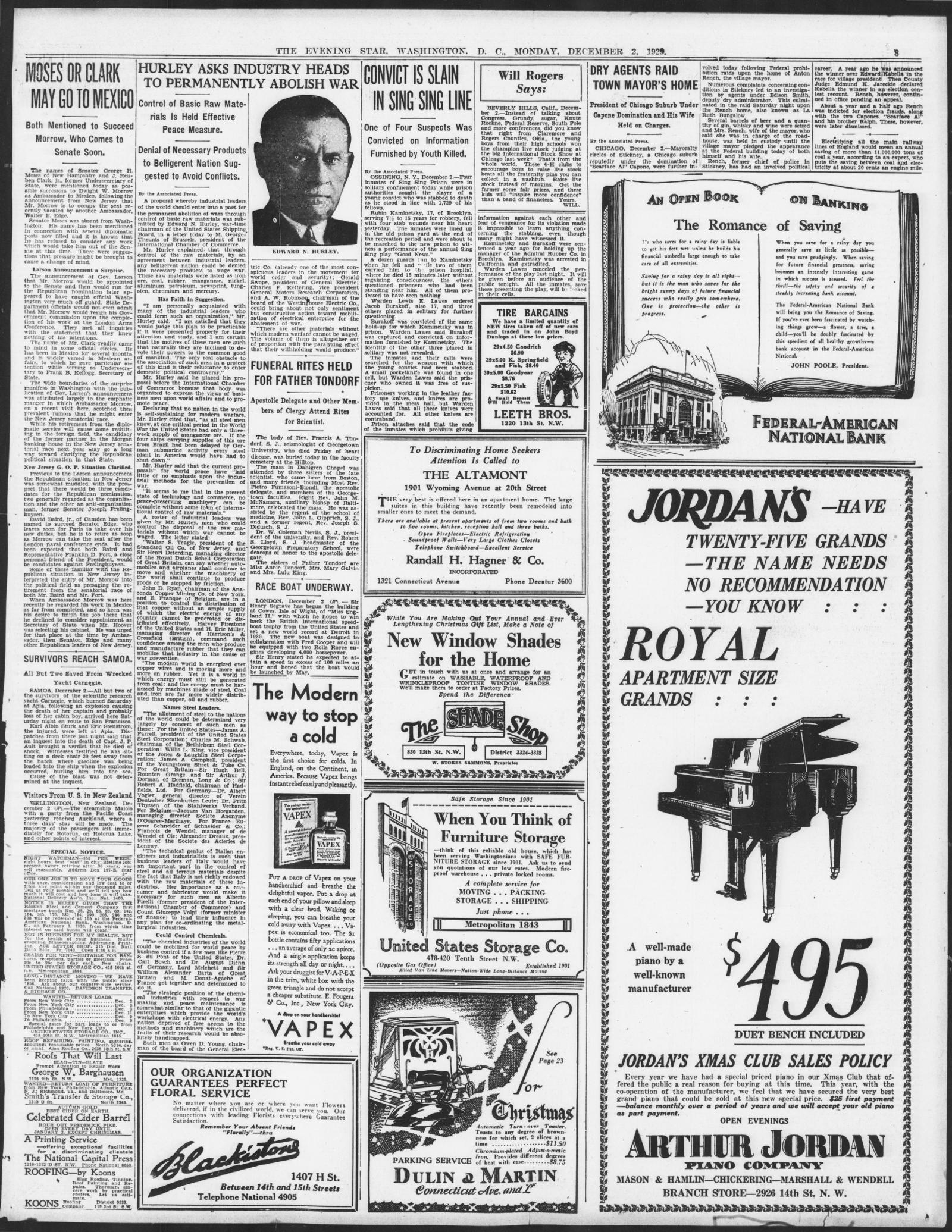
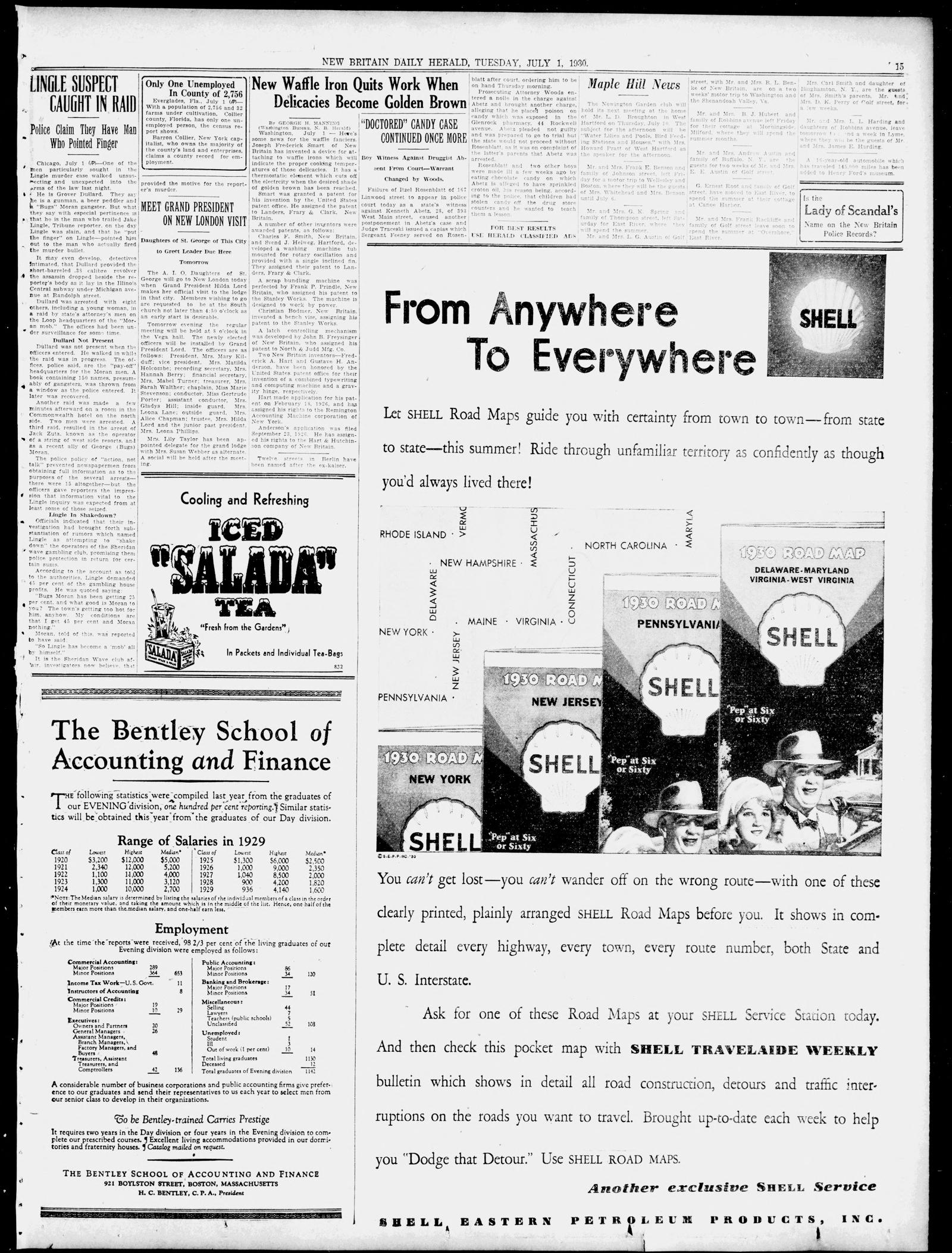
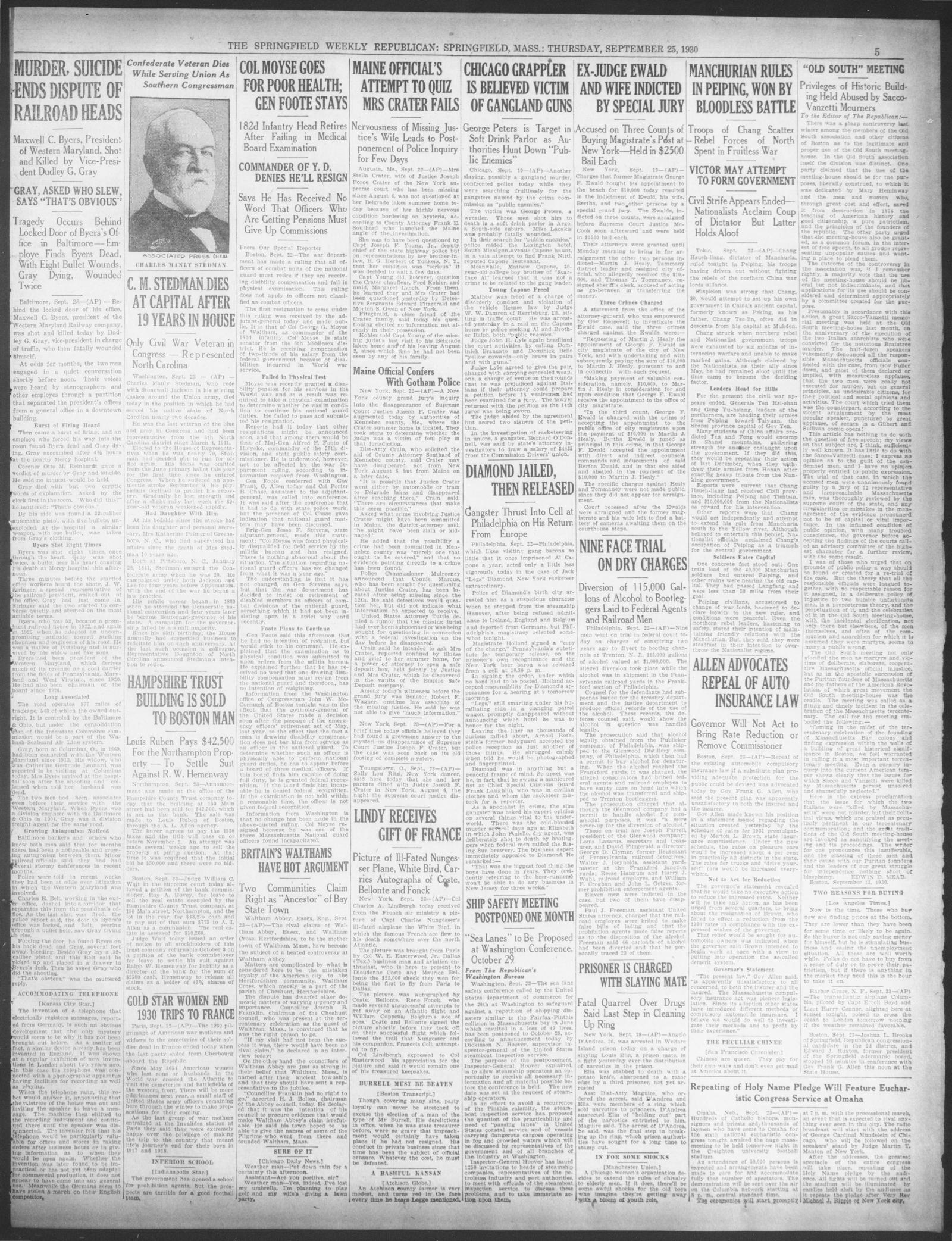
Fourteen of the fifteen records are newspaper pages from Chronicling America, all published in 1930 or earlier. They are Associated Press, United Press and NEA copy as the papers printed it, so the descriptions of people and motives in them are the papers’ and the police’s own, not findings. They name, in the order of the dates:
- South Wabash Avenue, where a 1920 wire story places the shooting of James Colosimo at his cafe.
- Roosevelt Road at Fifty-Sixth Avenue, on the Chicago-Cicero line, where a 1926 wire story places the shooting of an assistant state’s attorney and two companions.
- The village of Forest View, just south of Cicero, in a May 1926 story that rests on a police captain’s statement.
- The Hawthorne Inn in Cicero, fired on in September 1926, and Holy Name Cathedral on North State Street, in front of which a machine gun was fired in October 1926.
- The Metropole Hotel at Michigan Boulevard and 23rd Street, in a July 1928 feature.
- The federal building and the suburb of Chicago Heights, in the March 1929 grand jury reports, and 7244 Prairie Avenue, printed in a June 1929 feature.
- The village of Stickney, in a December 1929 report of a prohibition raid.
- The Illinois Central subway under Michigan Avenue at Randolph Street, in a July 1930 report on the Lingle inquiry, and the Lexington Hotel on South Michigan Avenue, in a September 1930 item.
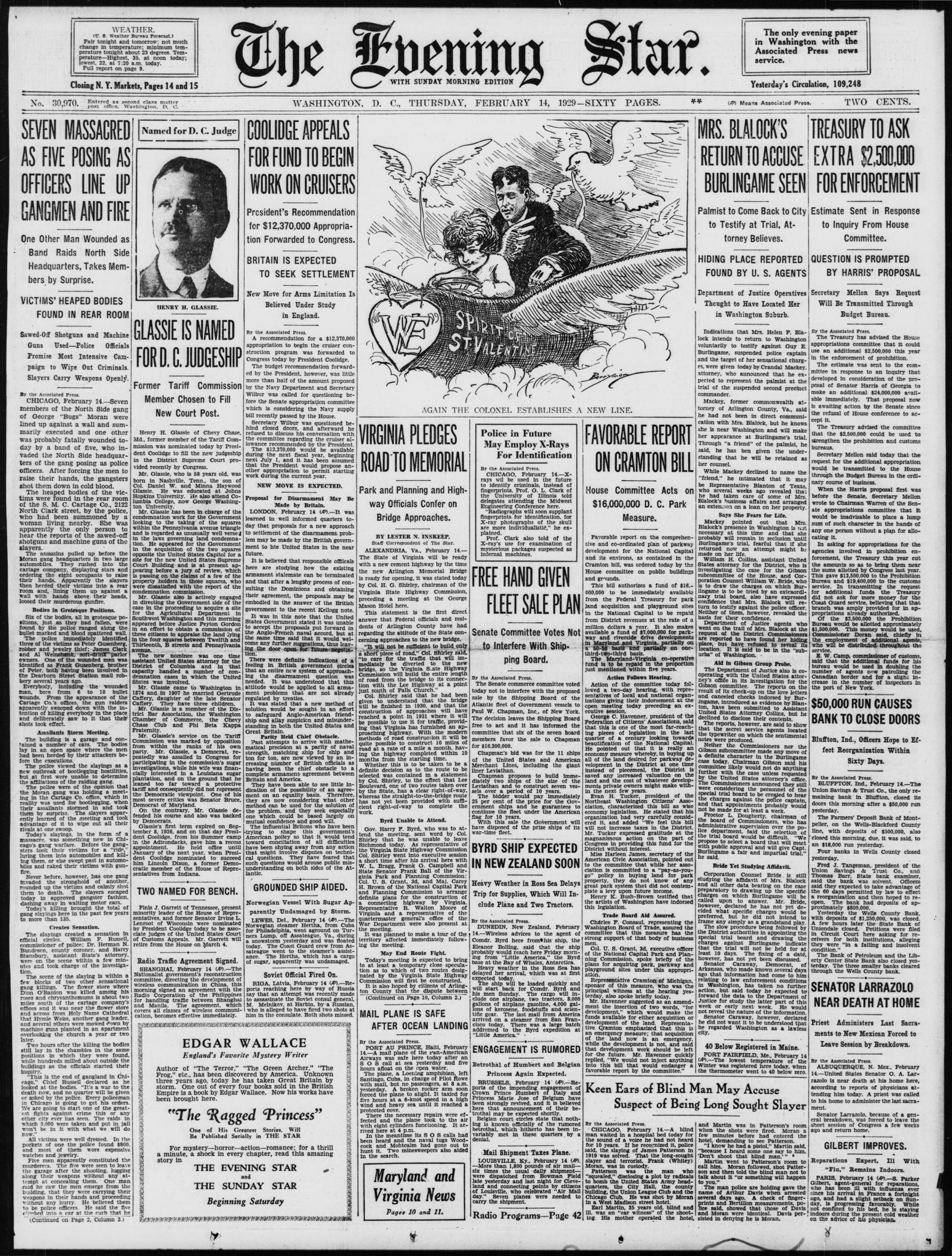
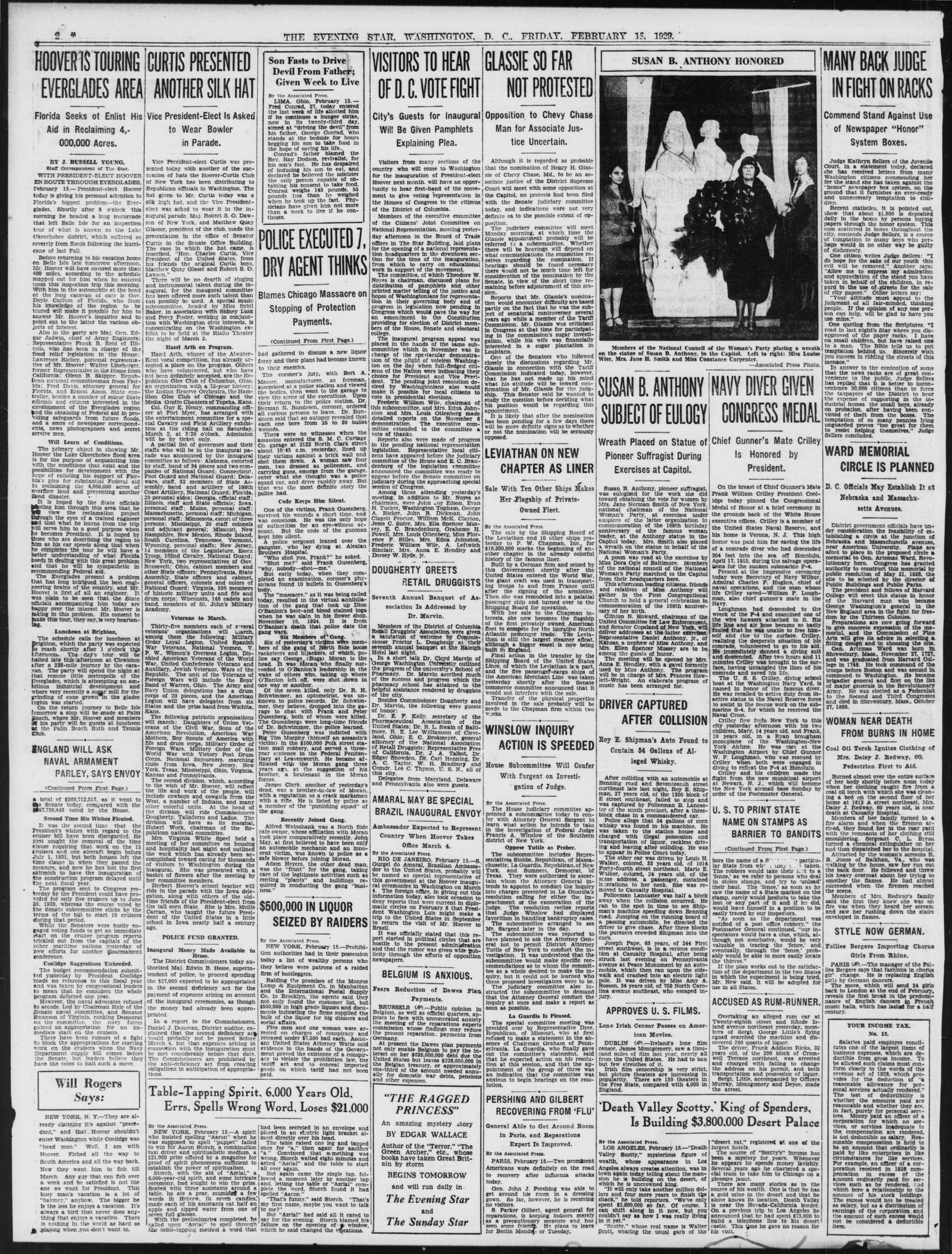
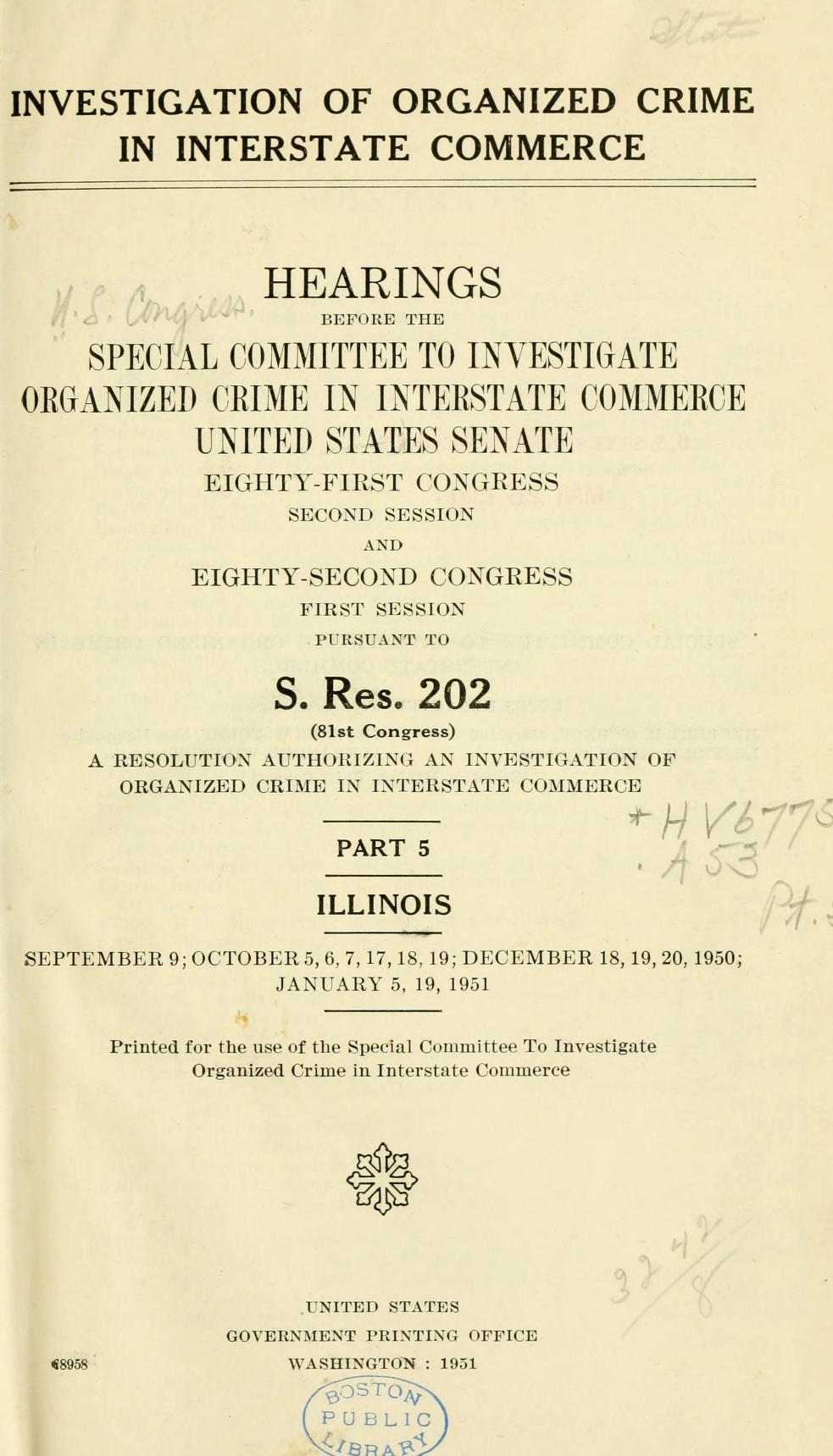
The two February 1929 pages are the Evening Star’s first-day report of 14 February on the garage killings, which prints the address 2122 North Clark Street, and its page 2 of 15 February. The Kefauver Committee’s Part 5 is the one non-newspaper record: the Senate hearings held in Illinois in 1950 and 1951. Its testimony on the South Side policy wheels is filed in the Harlem numbers section.
Records added in the Chicago depth pass
Nine more newspaper pages from Chronicling America, all published in 1930 or earlier and all wire copy, place events in the city and its suburbs. None has a stored scan yet; each shows a document plate.
- Cicero, at the village election of 1 April 1924, where the Indianapolis Times reports gunmen at the polling places and a man it calls “Frank Caponi” shot dead by Chicago police.
- The shooting of John Torrio outside his home on 24 January 1925, in the Casper Daily Tribune and the Evening Star.
- The North Side, where Angelo Genna was shot in his car on 26 May 1925 (Evening Star, Montgomery Advertiser), and the raids after the June 1925 street fight in which Mike Genna and two policemen were killed (Evening Star, Indianapolis Times).
- Cook County’s April 1928 primary, after the killing of “Diamond Joe” Esposito, Deneen’s Twenty-fifth Ward lieutenant (Washington Daily News, Washington Times).
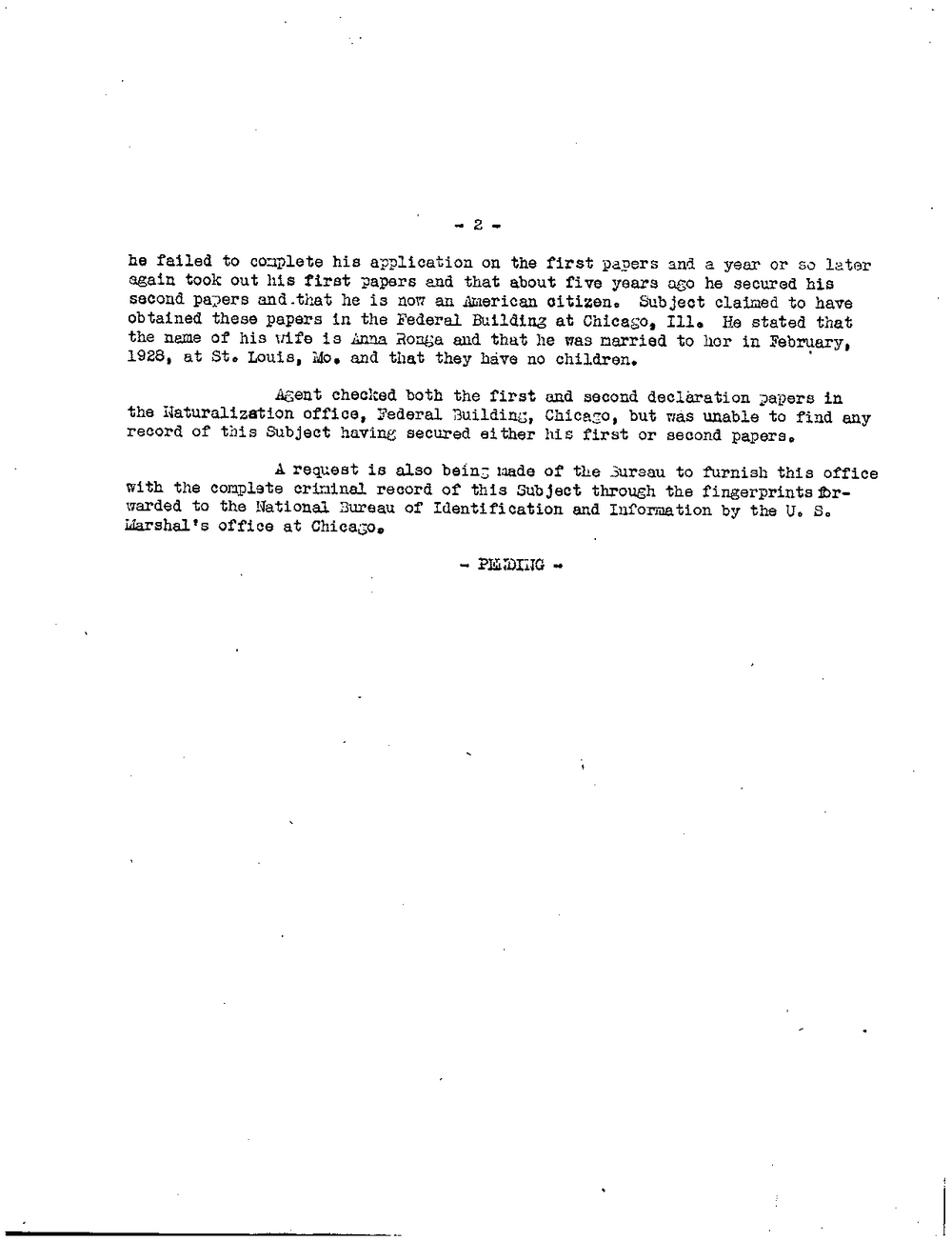
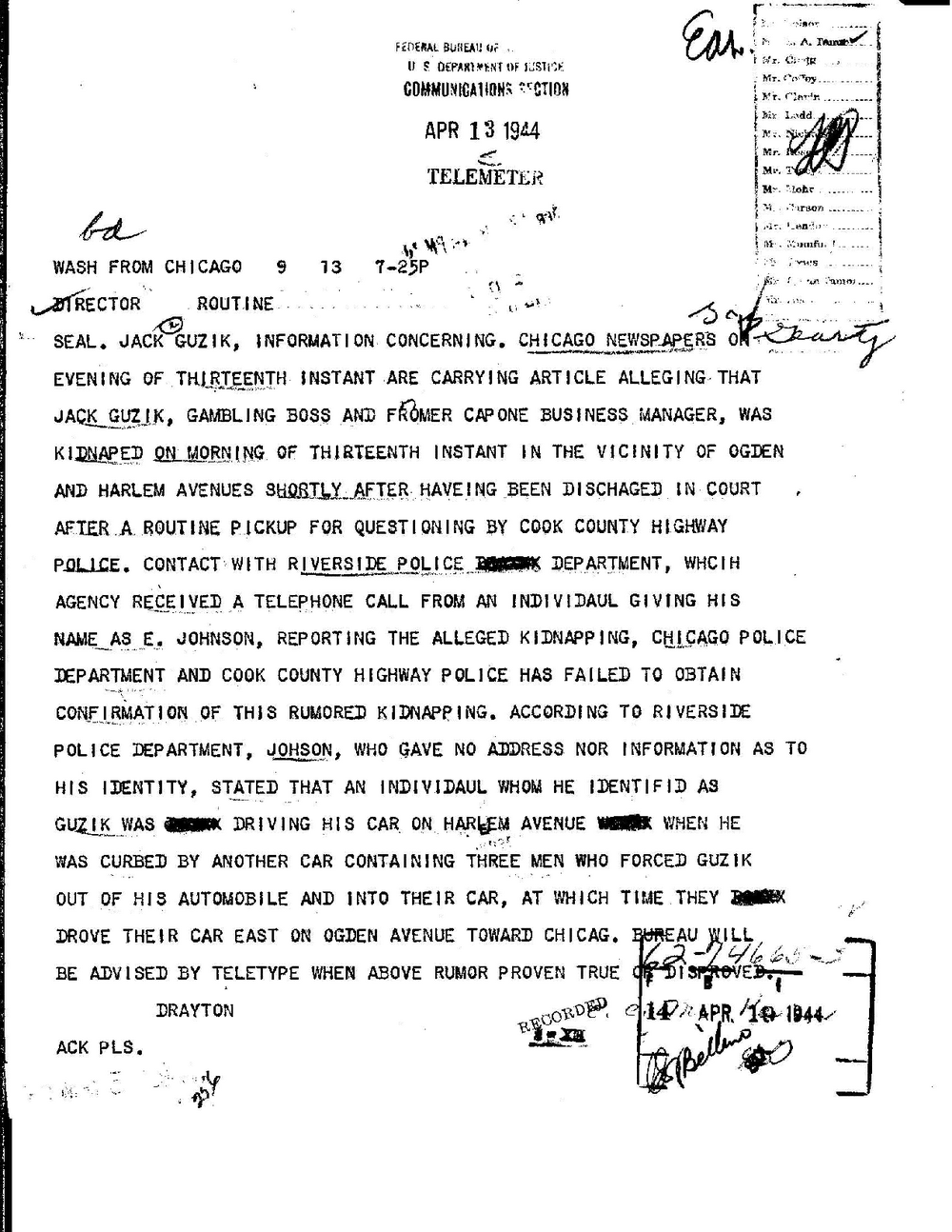
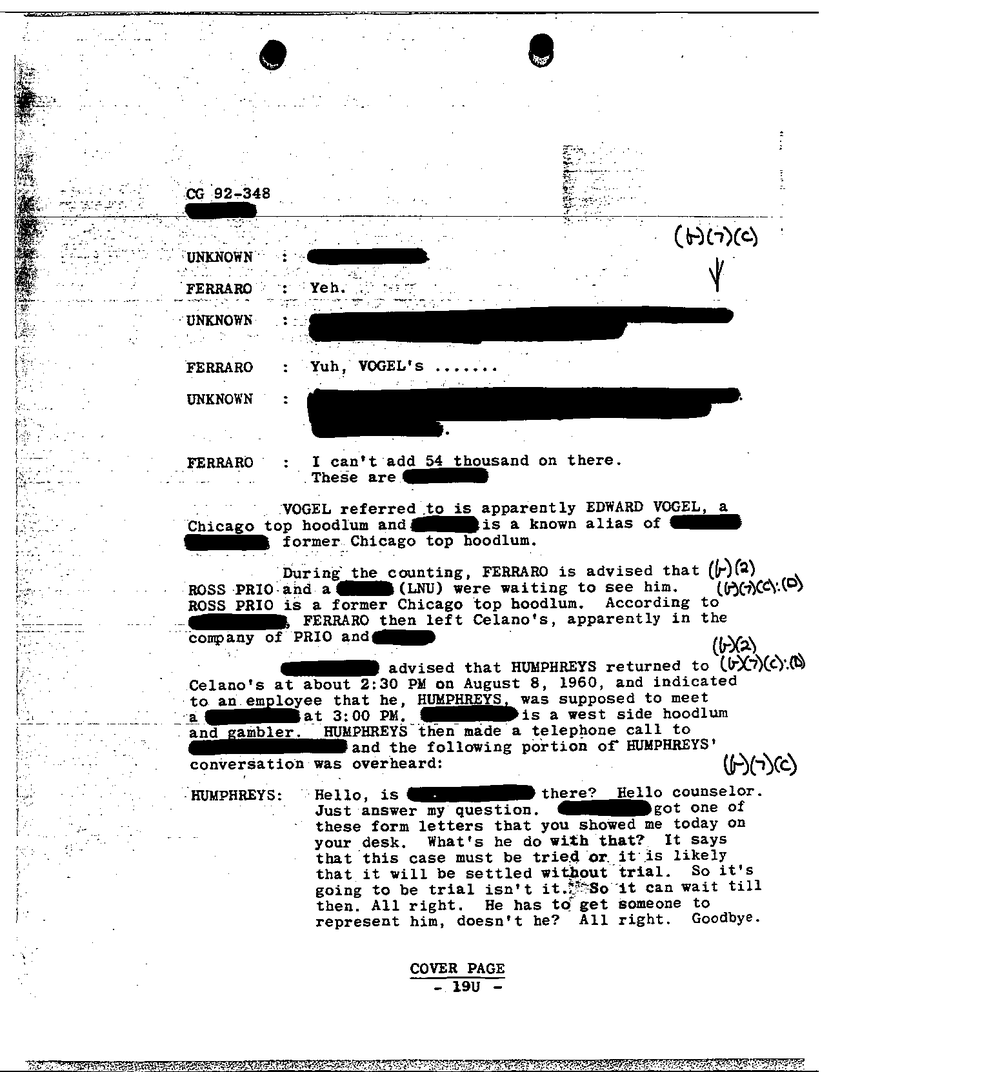
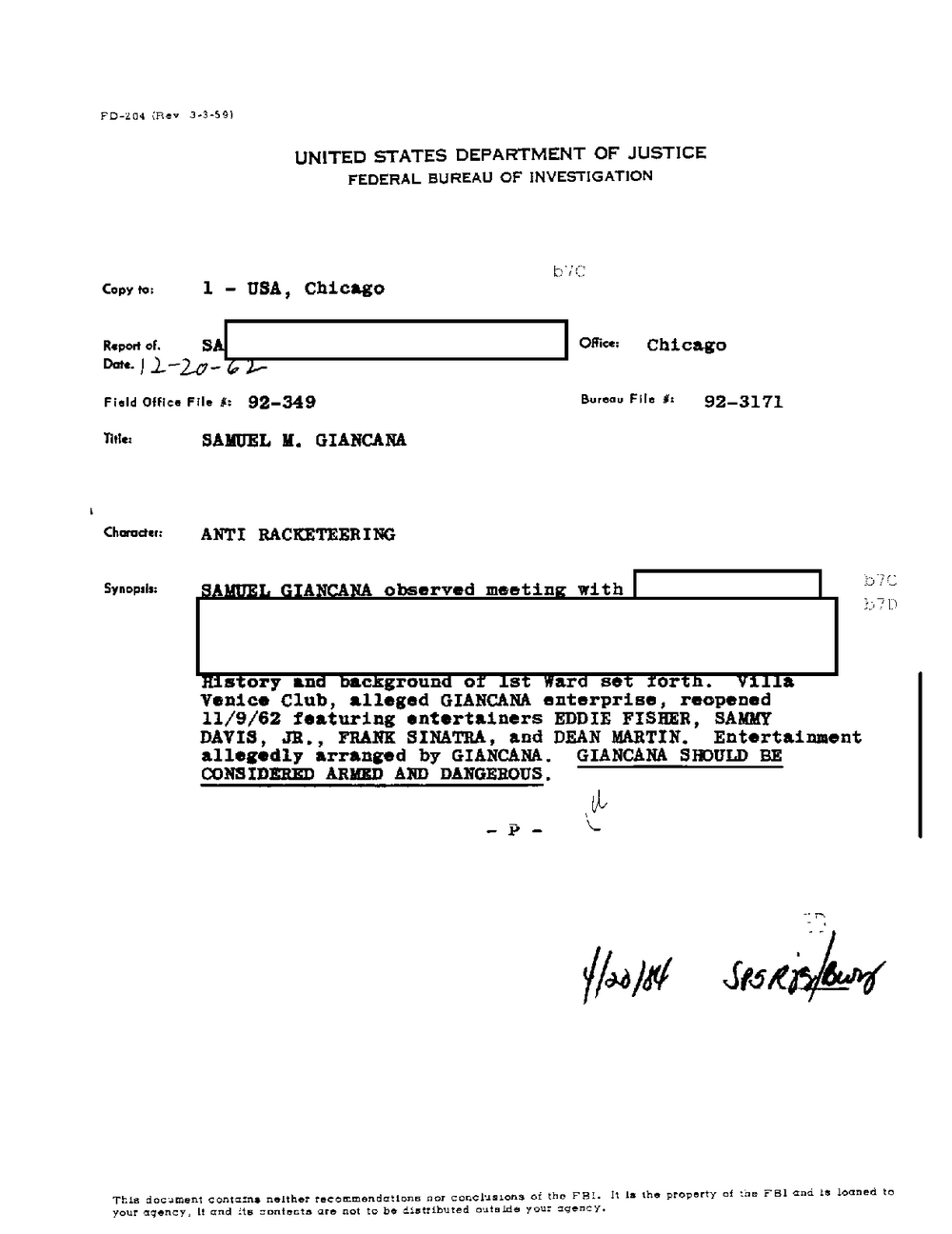
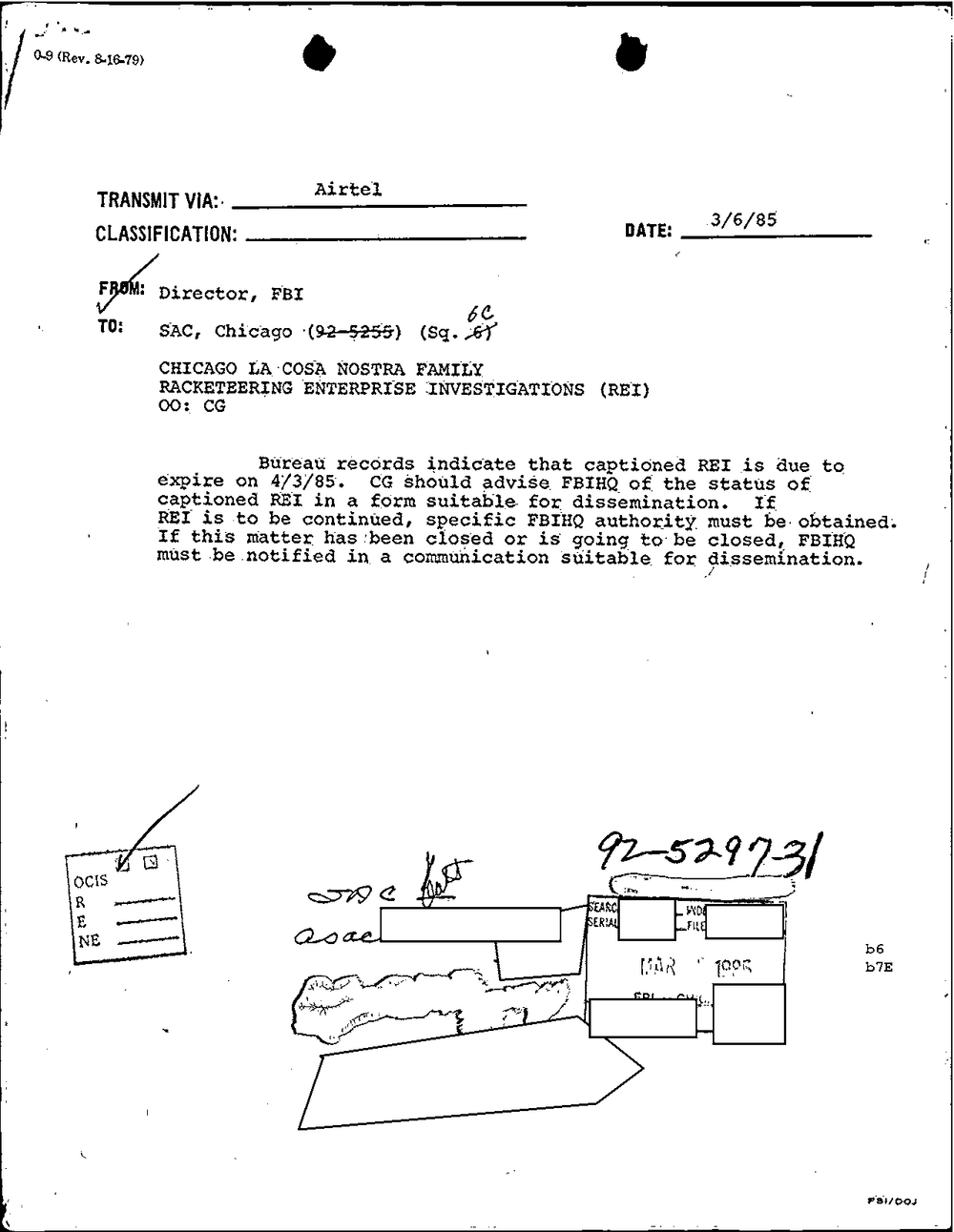
The federal records add more places. A Bureau of Investigation report places the October 1930 arrest of Frank Nitto at an apartment building in Berwyn. A 1944 FBI teletype puts the rumored kidnapping of Jack Guzik near Ogden and Harlem Avenues. The Kefauver Committee’s October 1950 session sat in room 267 of the United States Courthouse in the Old Post Office Building. The McClellan Committee’s 1958 hearings on the Chicago restaurant industry describe union locals in the city and Cicero and the surveillance of James Weinberg. FBI surveillance of 1960 centers on Celano’s in the Loop, and a 1962 report on the Villa Venice in the northwest suburbs. The Illinois Crime Investigating Commission’s 1966 hearings on the “juice” racket were called for Chicago (Buccieri, 1967); a 1984 FBI memorandum names gambling “wire rooms” in the 26th Street and Chinatown area; and the Seventh Circuit’s Ferriola Street Crew opinion describes street-tax collection from bookmakers in the northern suburbs in the 1980s.
Residential street addresses printed in these records are not repeated here. The Berwyn arrest, the 1924 Cicero election, the Villa Venice and the Lincolnwood killing of Allen Dorfman are pinned on the map at village or city centroids; the other places named above are not pinned.
The 1916 Landis inquiry into gambling by telephone, at which Mont Tennes was to be heard, the Annenberg and Ragen opinions, and Continental Press in the Part 5 testimony are filed on the Gambling and the wire page.
The 1916 Landis inquiry into gambling by telephone, at which Mont Tennes was to be heard, the Annenberg and Ragen opinions, and Continental Press in the Part 5 testimony are filed on the Gambling and the wire page. The Hollywood extortion case files the 1948 habeas corpus petition of Campagna, De Lucia, D’Andrea and Gioe in the District Court for the Northern District of Illinois, with the 1947 parole records that preceded it.