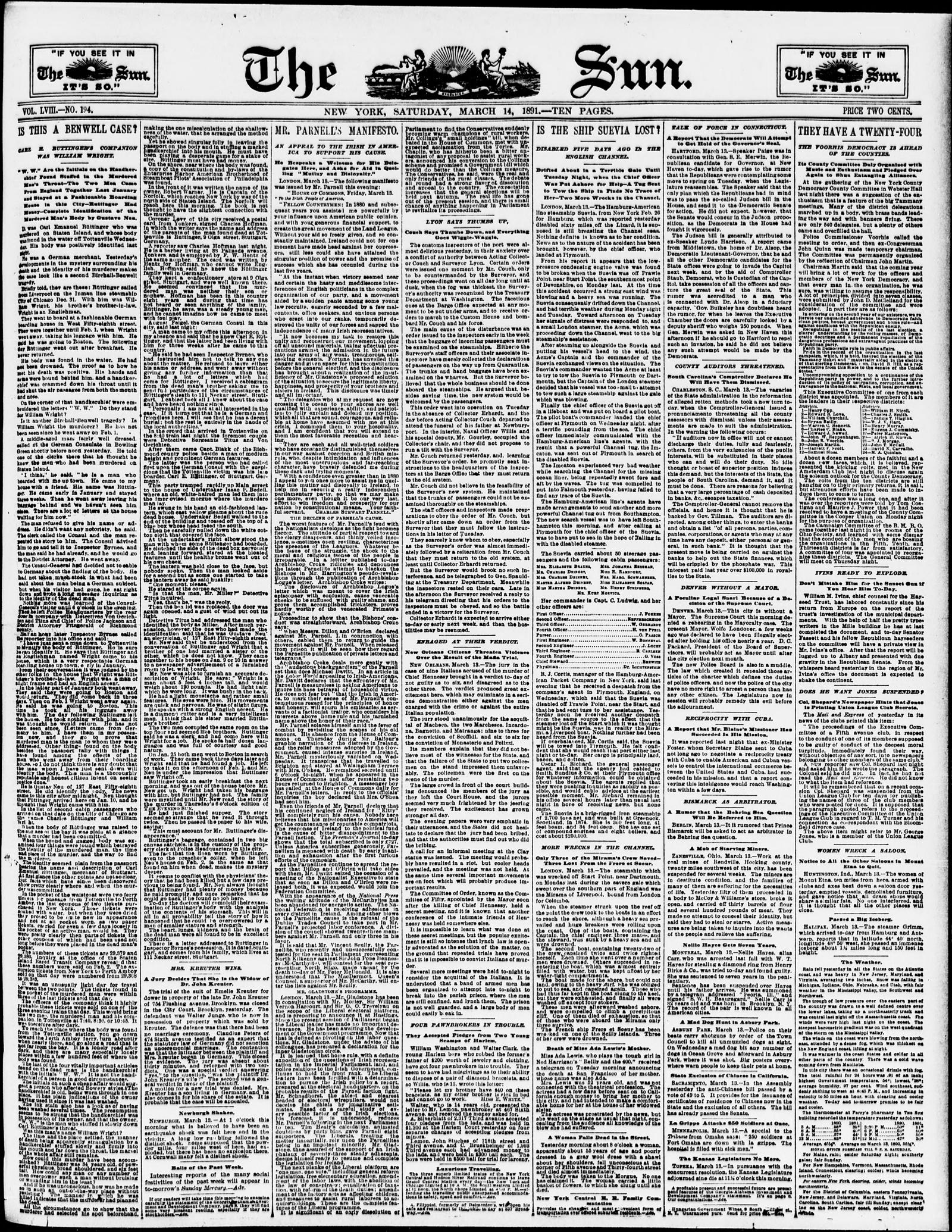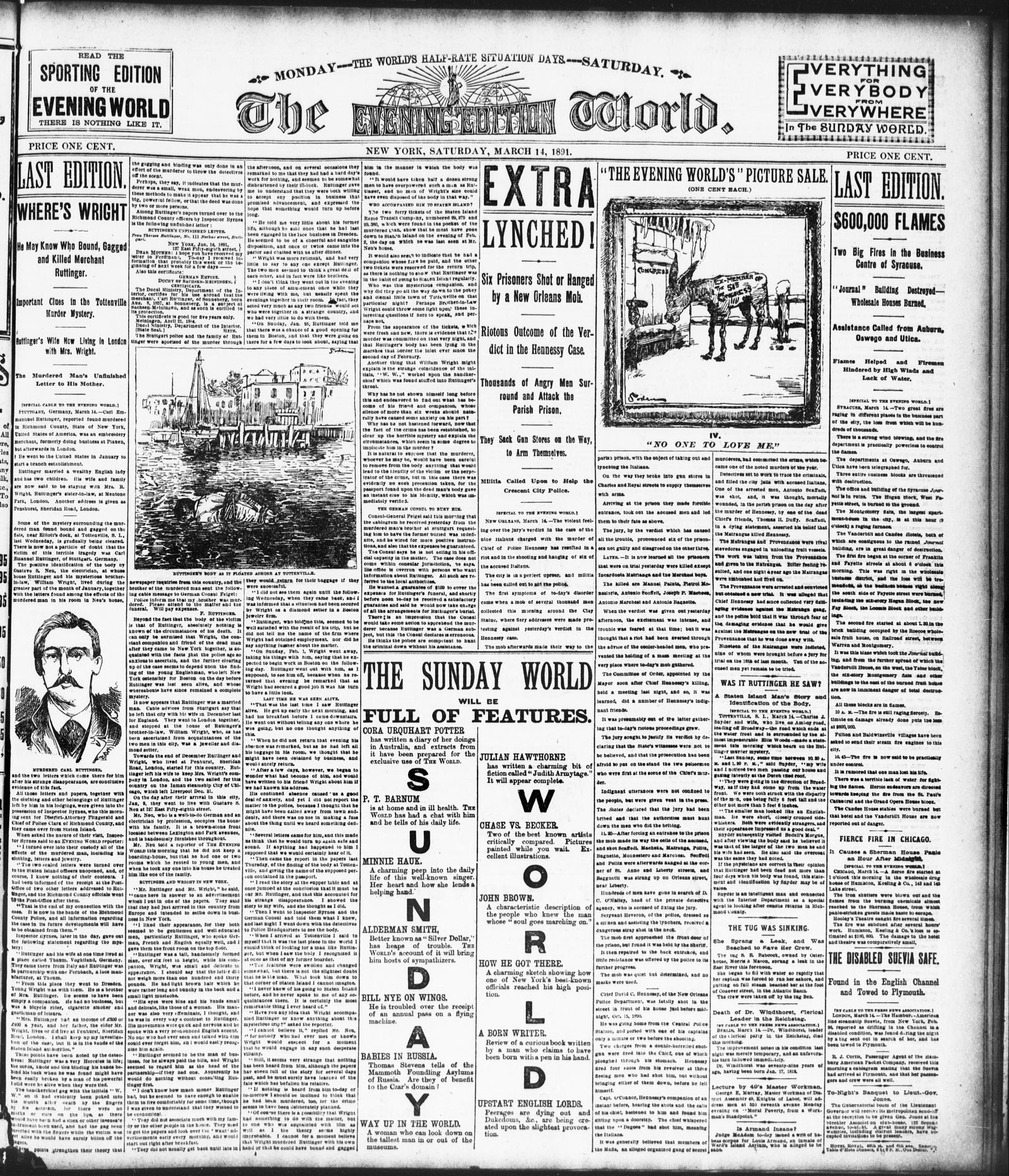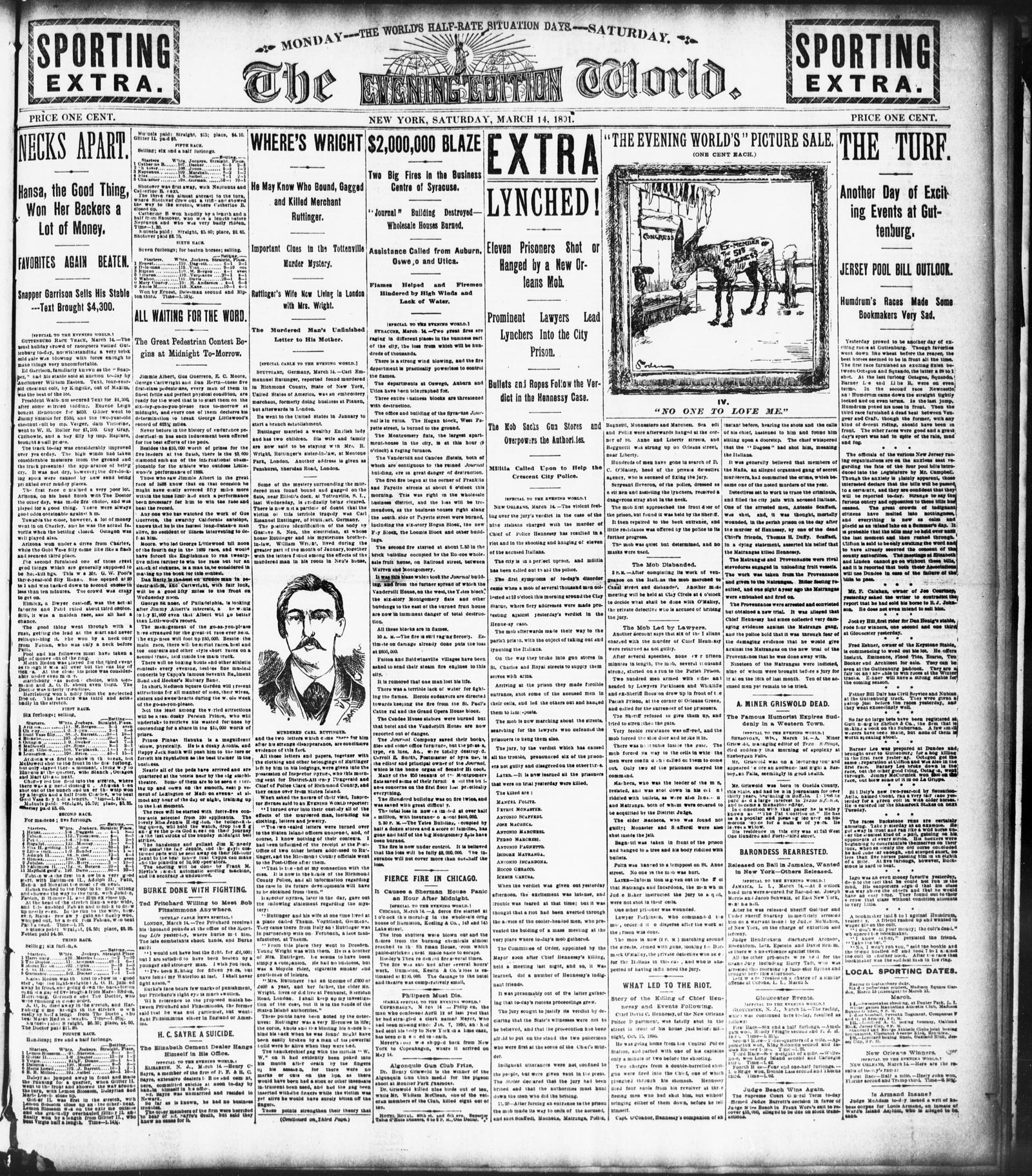
This section holds the New Orleans and Louisiana records filed so far. Each statement below comes from the record linked beside it. Records are grouped by period. The 1890-91 newspaper pages carry their papers’ own claims, quoted as claims, and several of their headlines approve of the killings of March 1891; the approval is quoted and is not endorsed here.
The Kefauver Committee in New Orleans, 1951
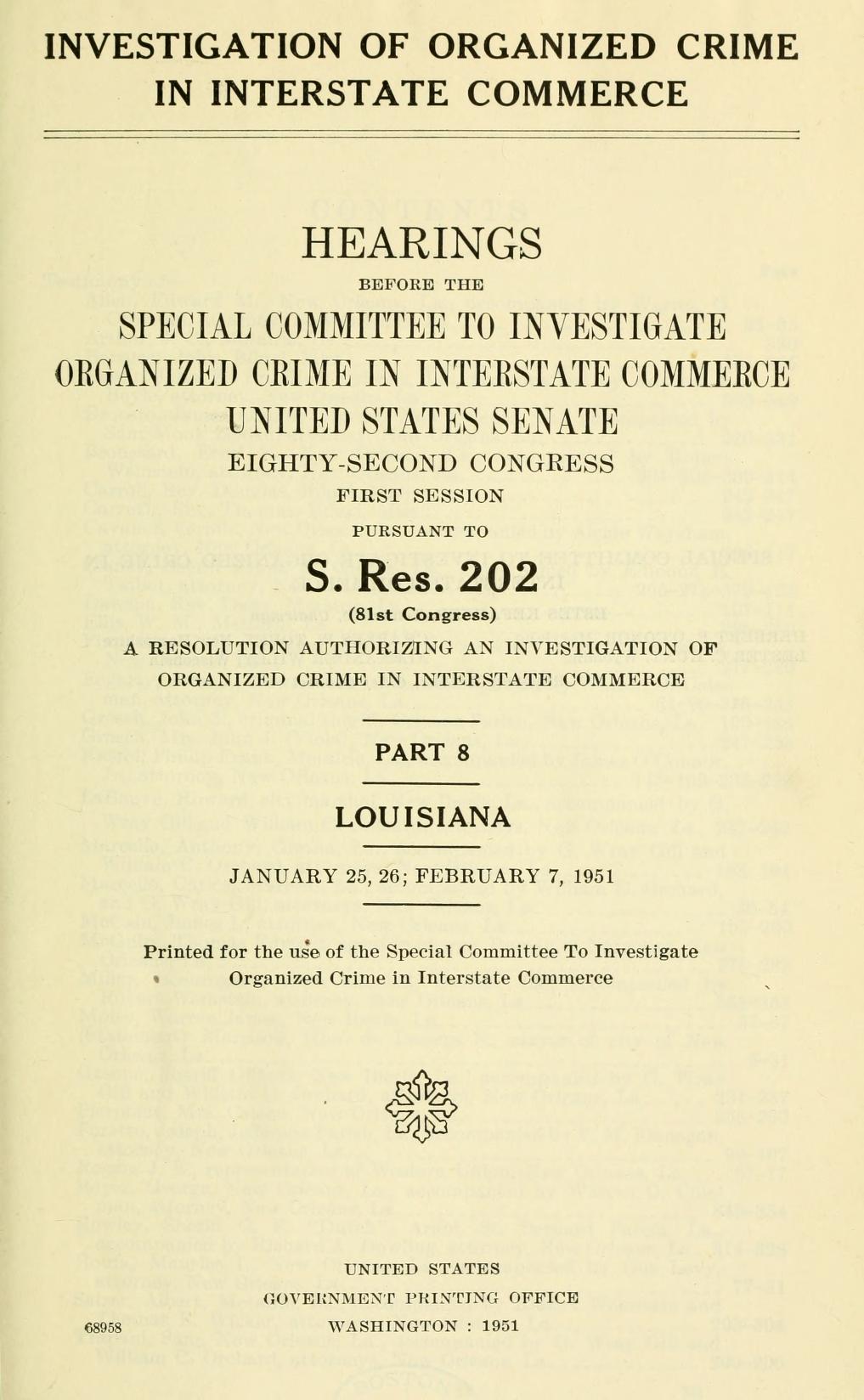
Senator Kefauver sat as a subcommittee of one in room 245 of the Main Post Office Building, New Orleans, on 25 and 26 January 1951; the volume also prints a session of 7 February. The printed volume, Part 8: Louisiana, holds the statements of Mayor de Lesseps Morrison, the testimony of Carlos Marcello (pp. 36-54) and Phil Kastel (pp. 115-169, 282-293), local sheriffs, and exhibits. The Mayor’s remarks about a “Kastel-Marcello axis” and about slot machines owned by Frank Costello, Kastel and others are the Mayor’s assertions to the committee, not findings. Marcello declined on self-incrimination grounds to answer anything but his name and residence, including questions about the Beverly Club and coin-machine companies. Kastel said he was president and general manager of the Beverly Club, agreed that he and Costello were in a 50-50 joint venture in the Bayou Novelty Co., and declined to say whether the club had a casino. The committee asked the Senate to refer both men to the United States attorney for the eastern district of Louisiana: Marcello report, Kastel report.
The hearing’s exhibits also contain a committee-compiled summary of the citizenship and police record of Marcello and the questions asked about Sam Carollo, a man described as recently deported; the record spells his name three ways and does not say they are the same man.
Carlos Marcello in federal records, 1955 to 1989
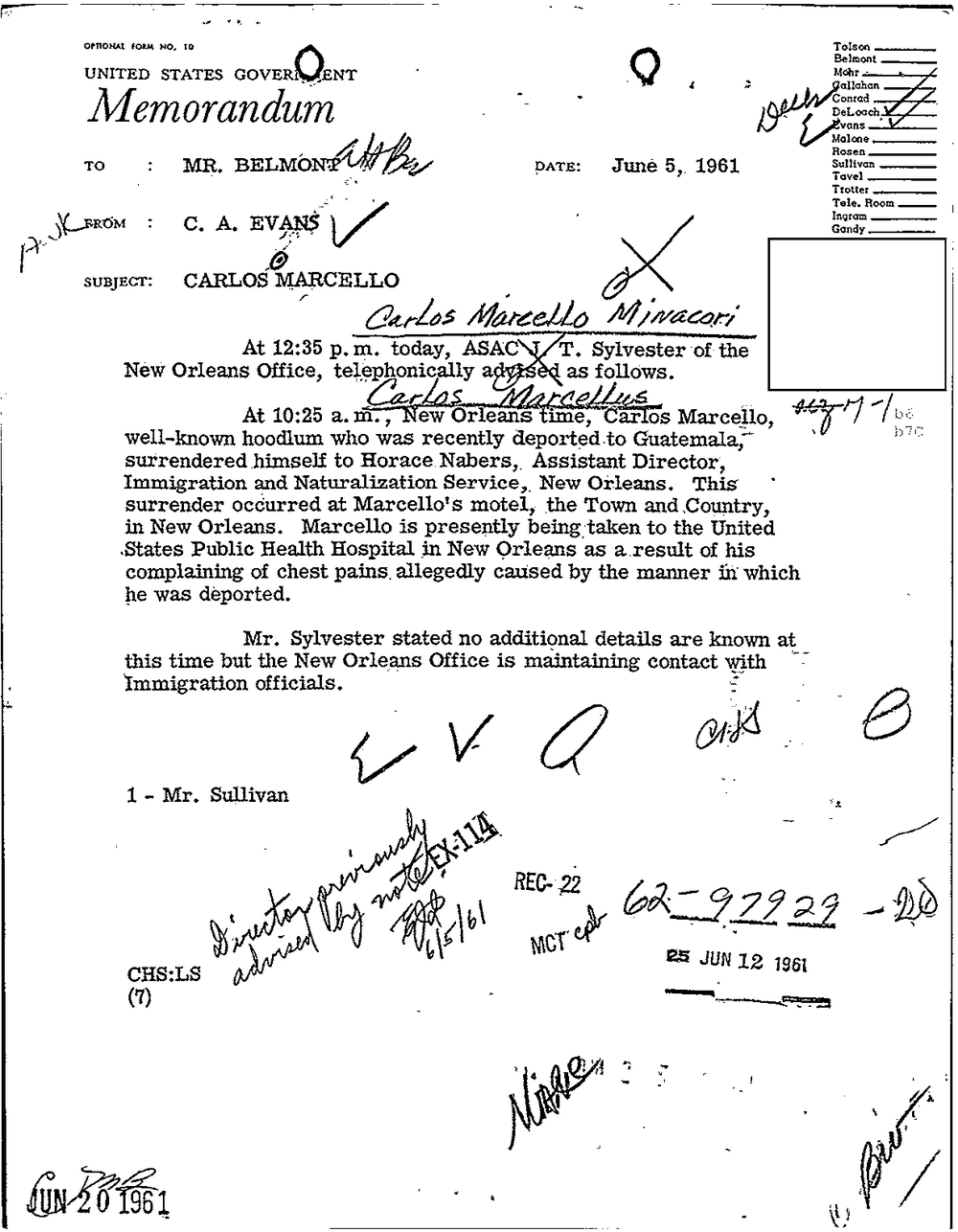
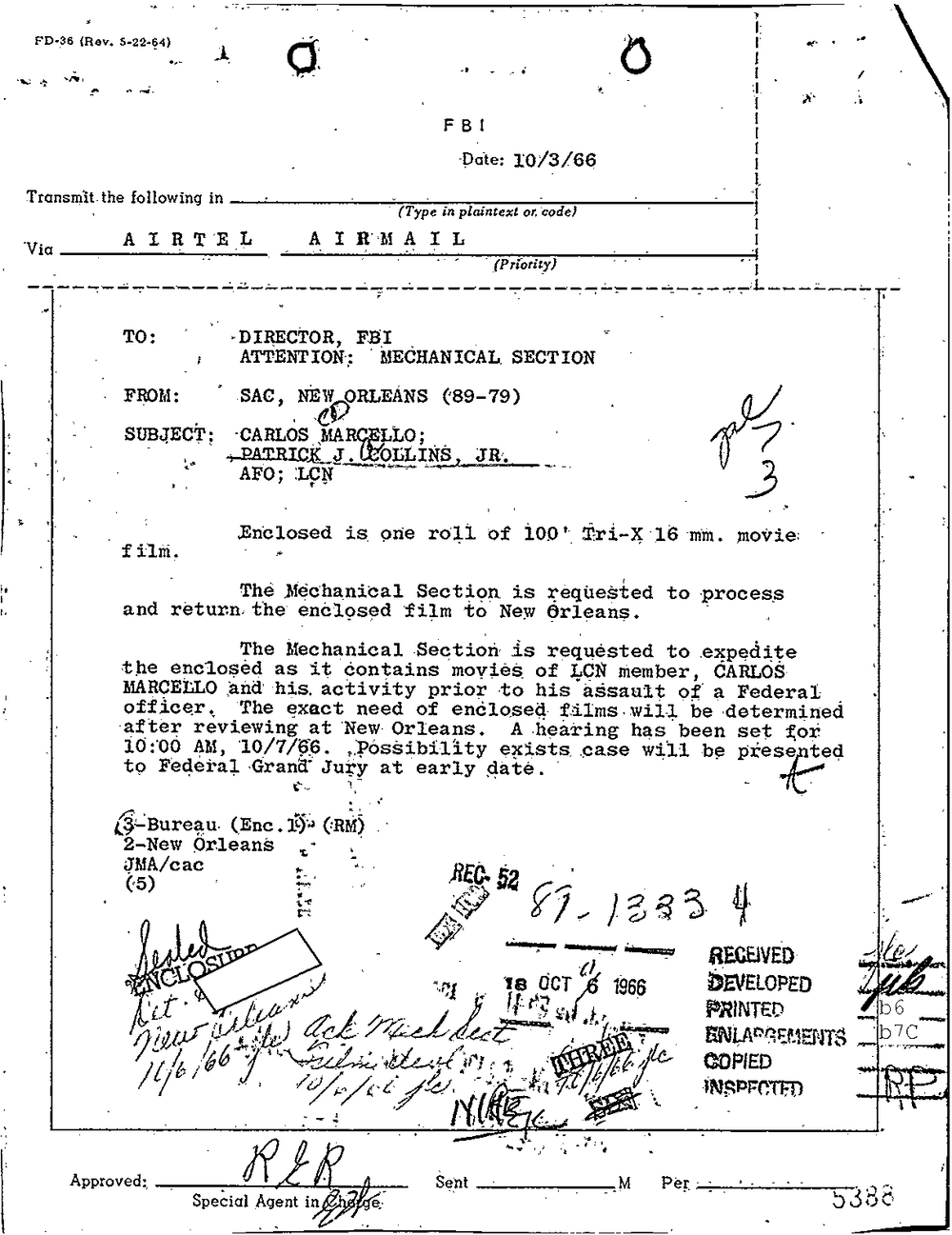
In Marcello v. Bonds (1955) the Supreme Court upheld the order to deport Marcello, “a native of Tunis, Africa,” on the basis of his 1938 Marihuana Tax Act conviction. Marcello v. Kennedy (D.C. Cir. 1962) recites that the Government removed him to Guatemala on 4 April 1961 and that he had re-entered the United States by June. The FBI’s released file, Part 01 and Part 02, is filed on its OCR text only because the Vault’s page images returned HTTP 403. The Brilab prosecution is recorded in the pretrial rulings (508 F. Supp. 586), the post-trial opinion (537 F. Supp. 1364), which states that the jury found Marcello and Charles E. Roemer II guilty of the Count One RICO conspiracy and acquitted Marcello of the eleven other counts, and the Fifth Circuit’s affirmance of 11 April 1983.
The Hennessy shooting, October 1890
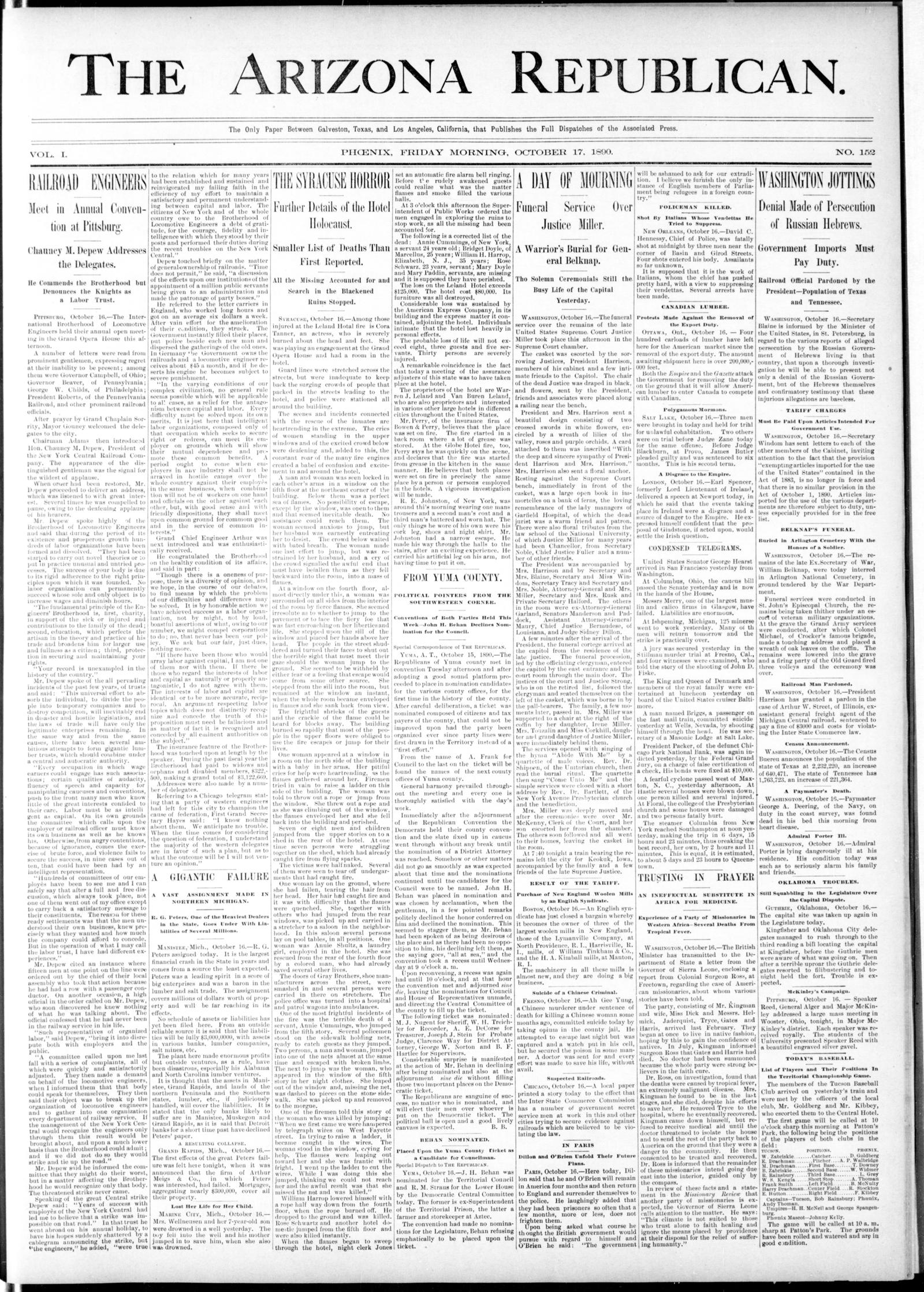
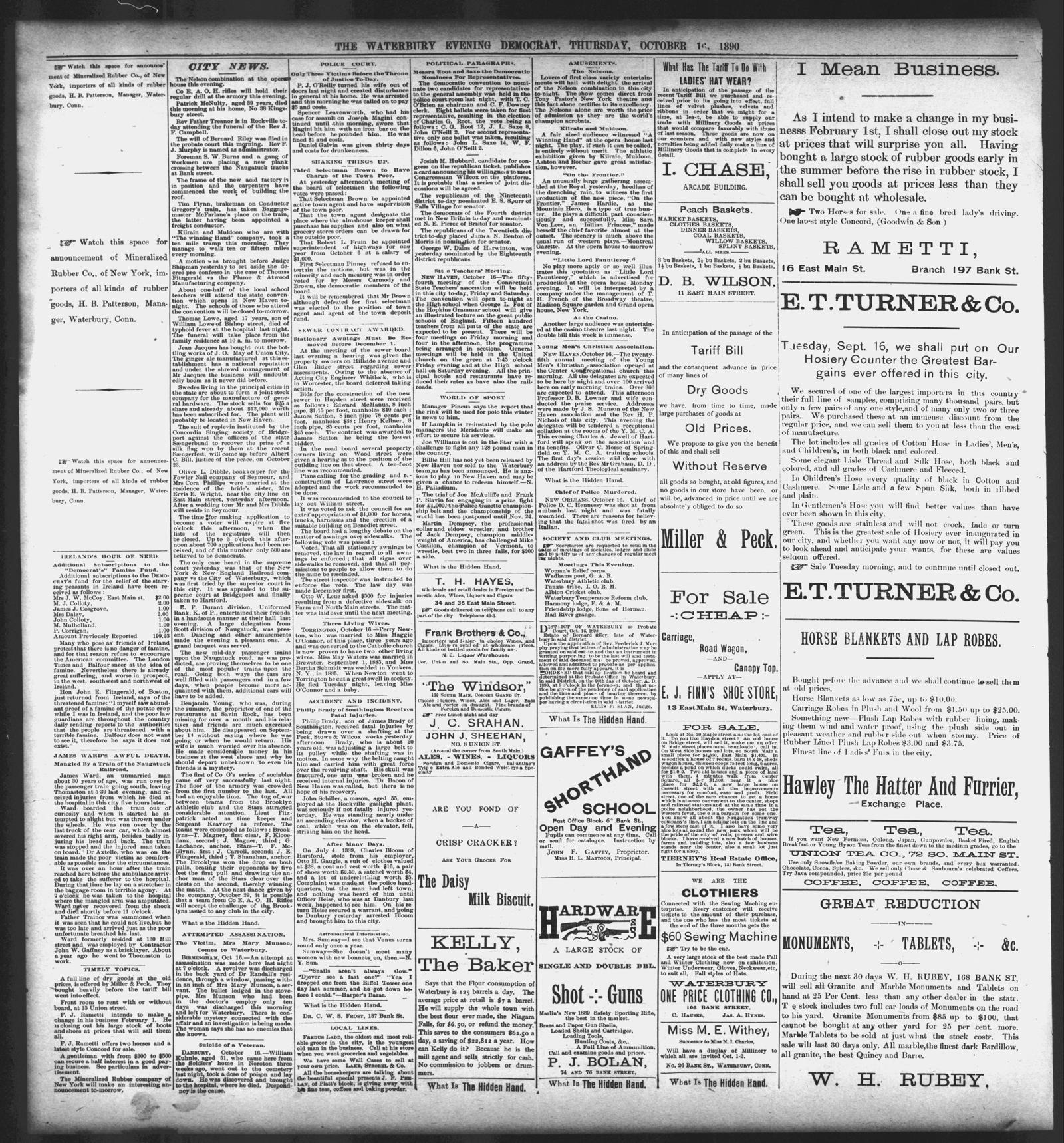
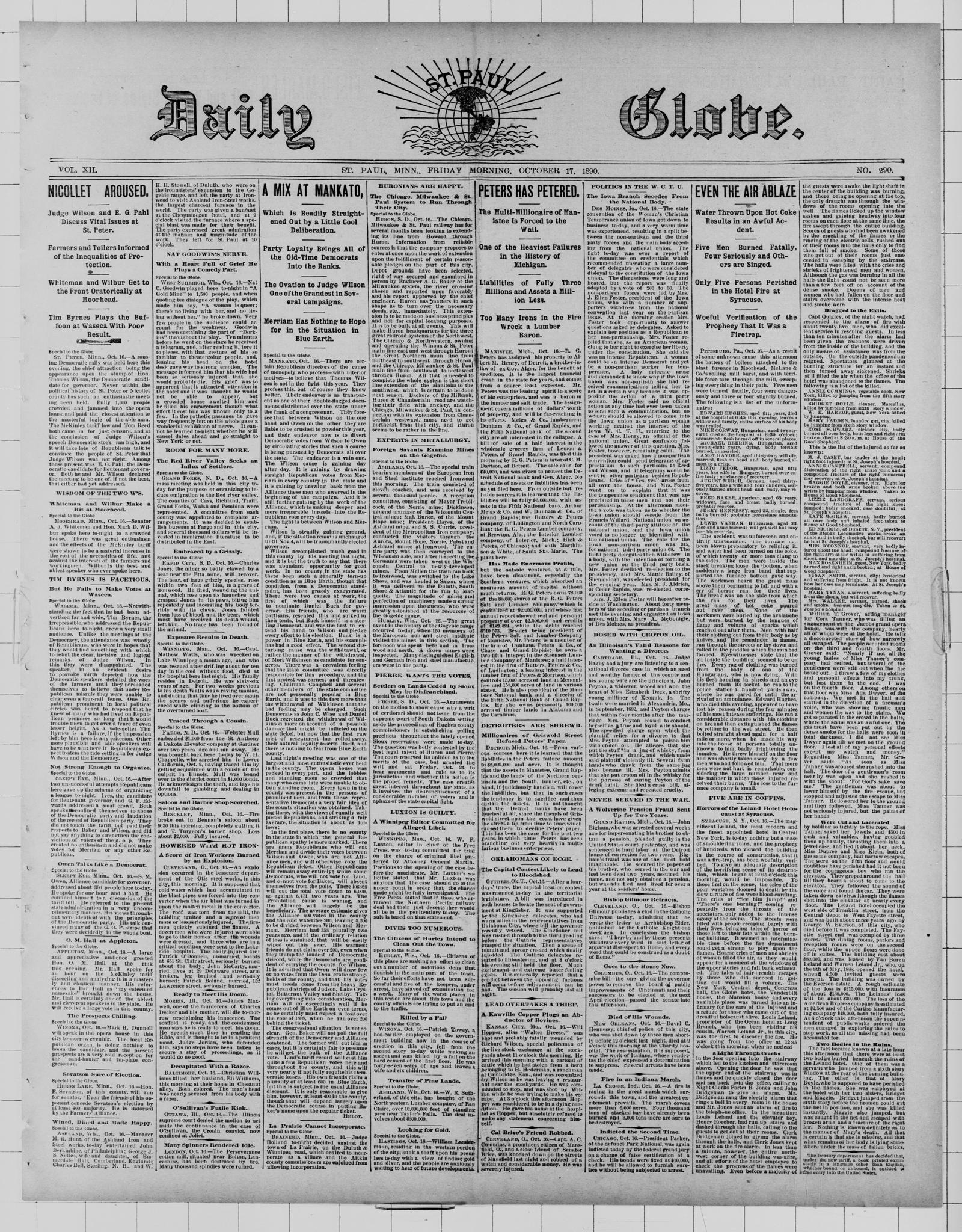
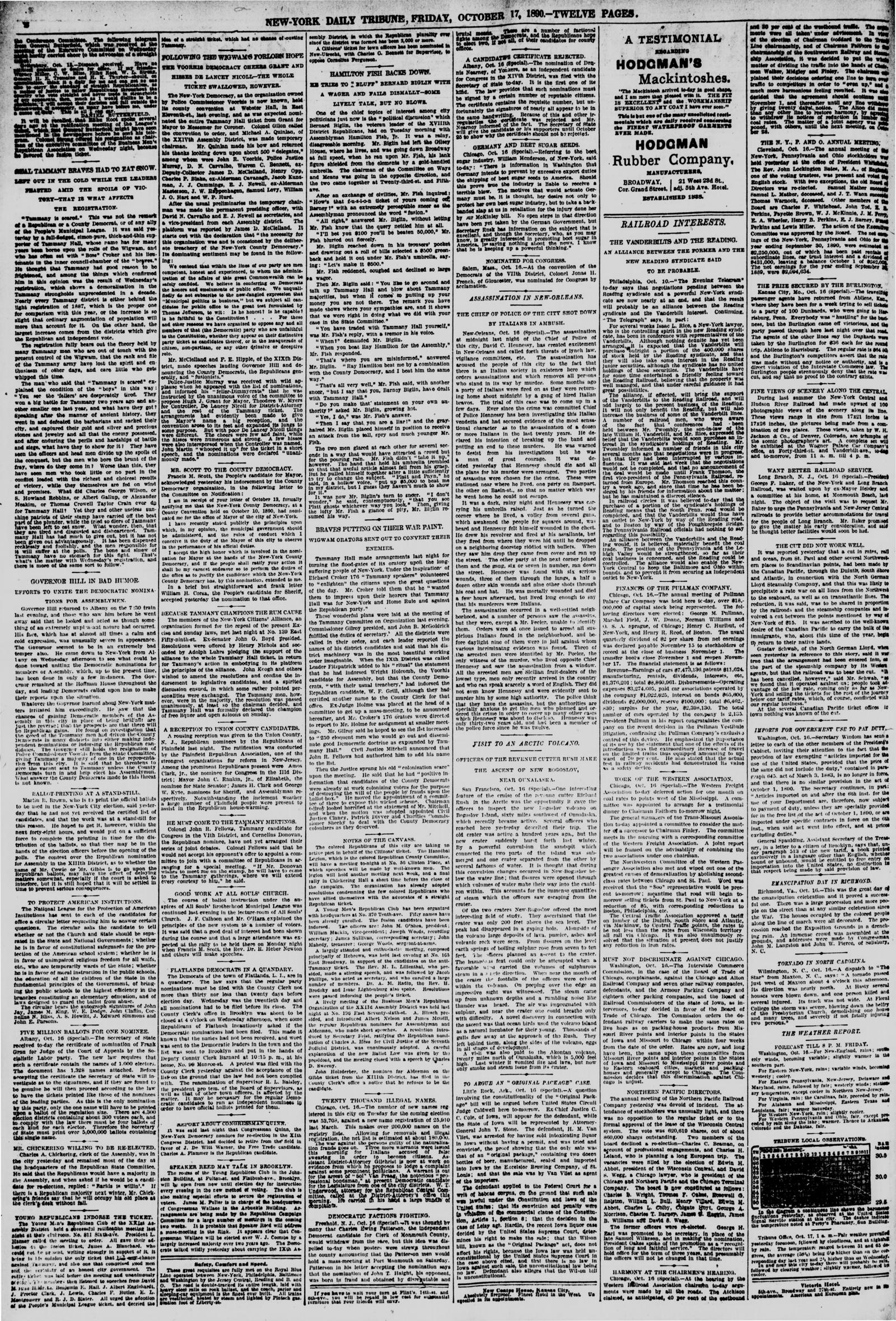
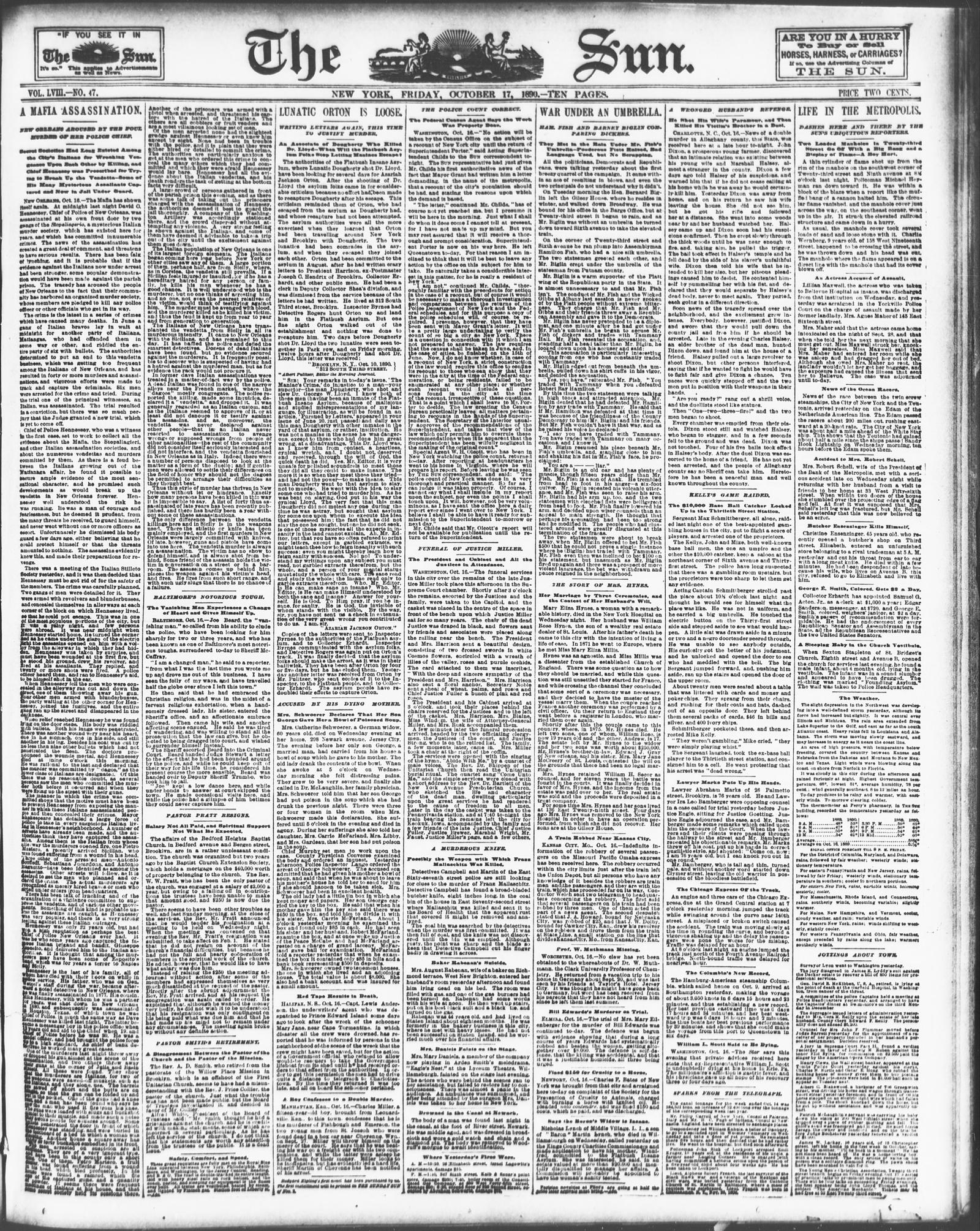
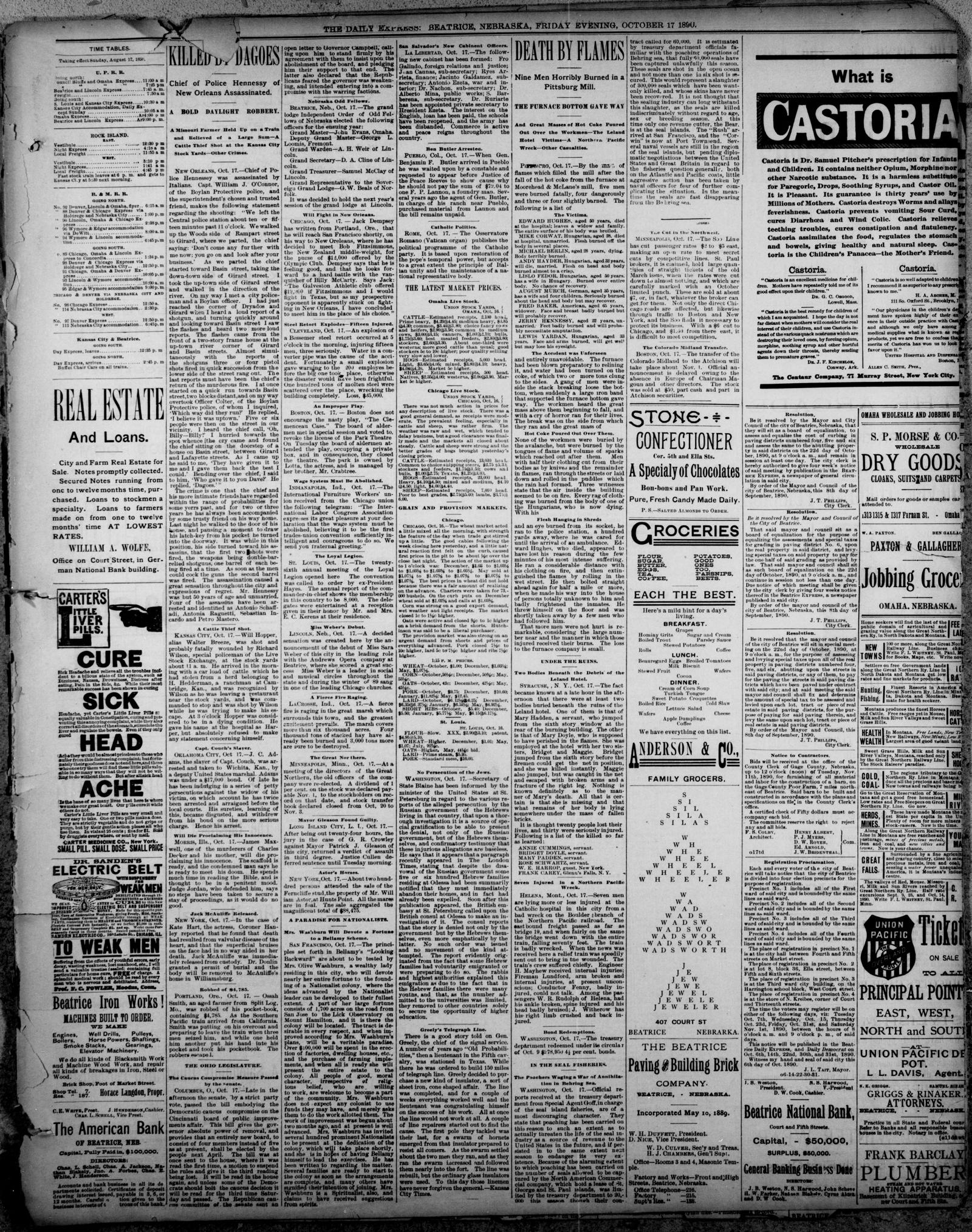
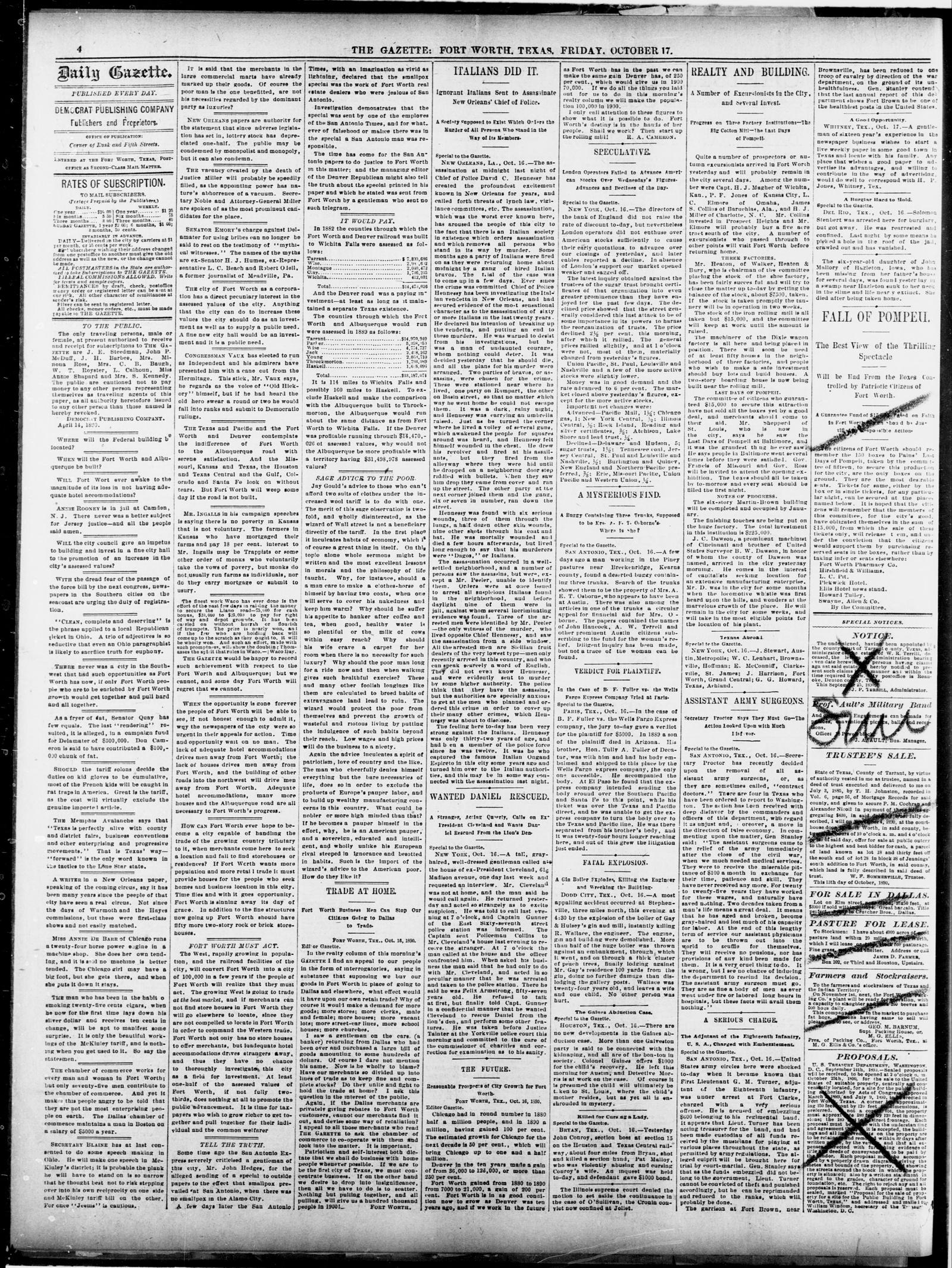
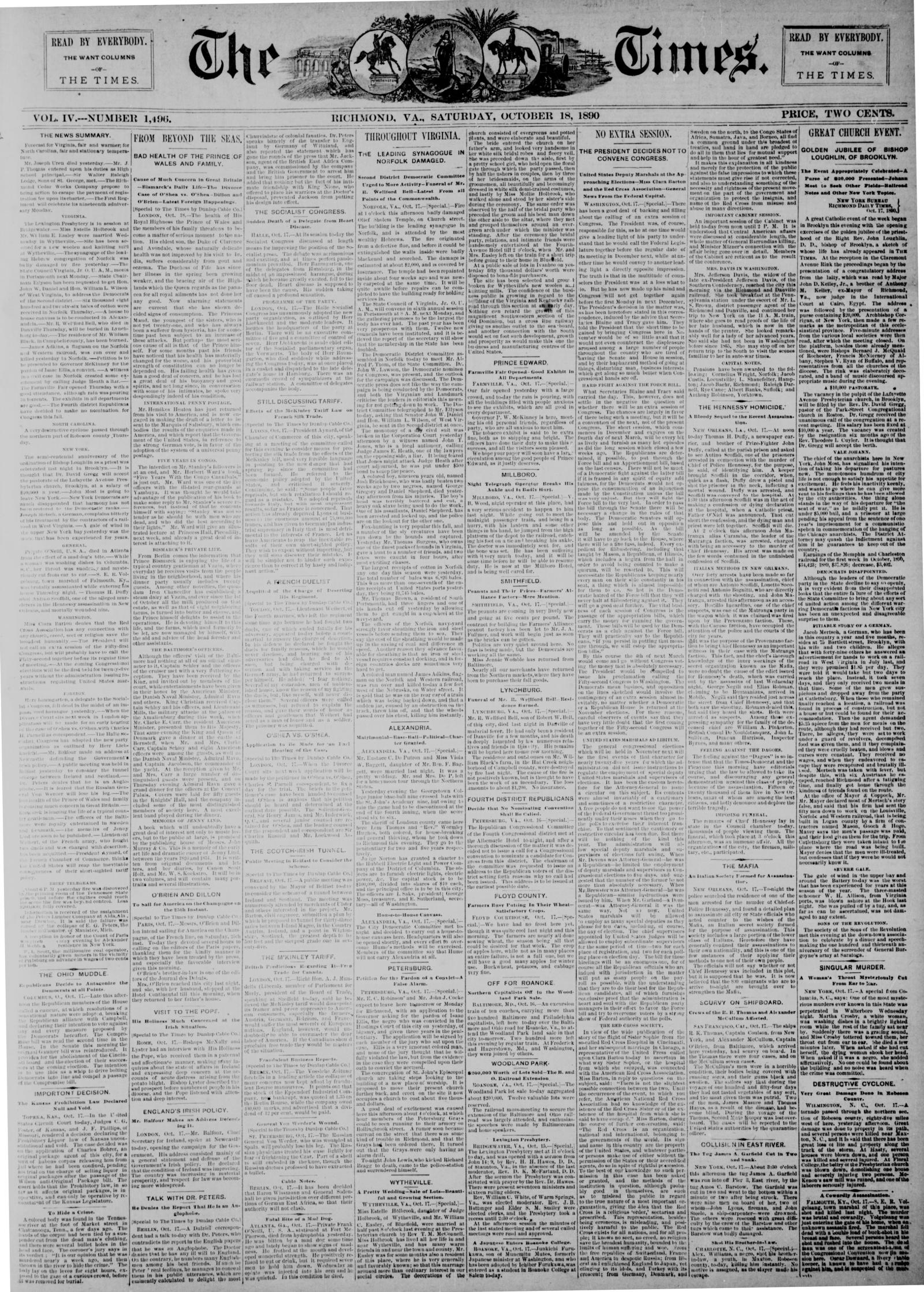
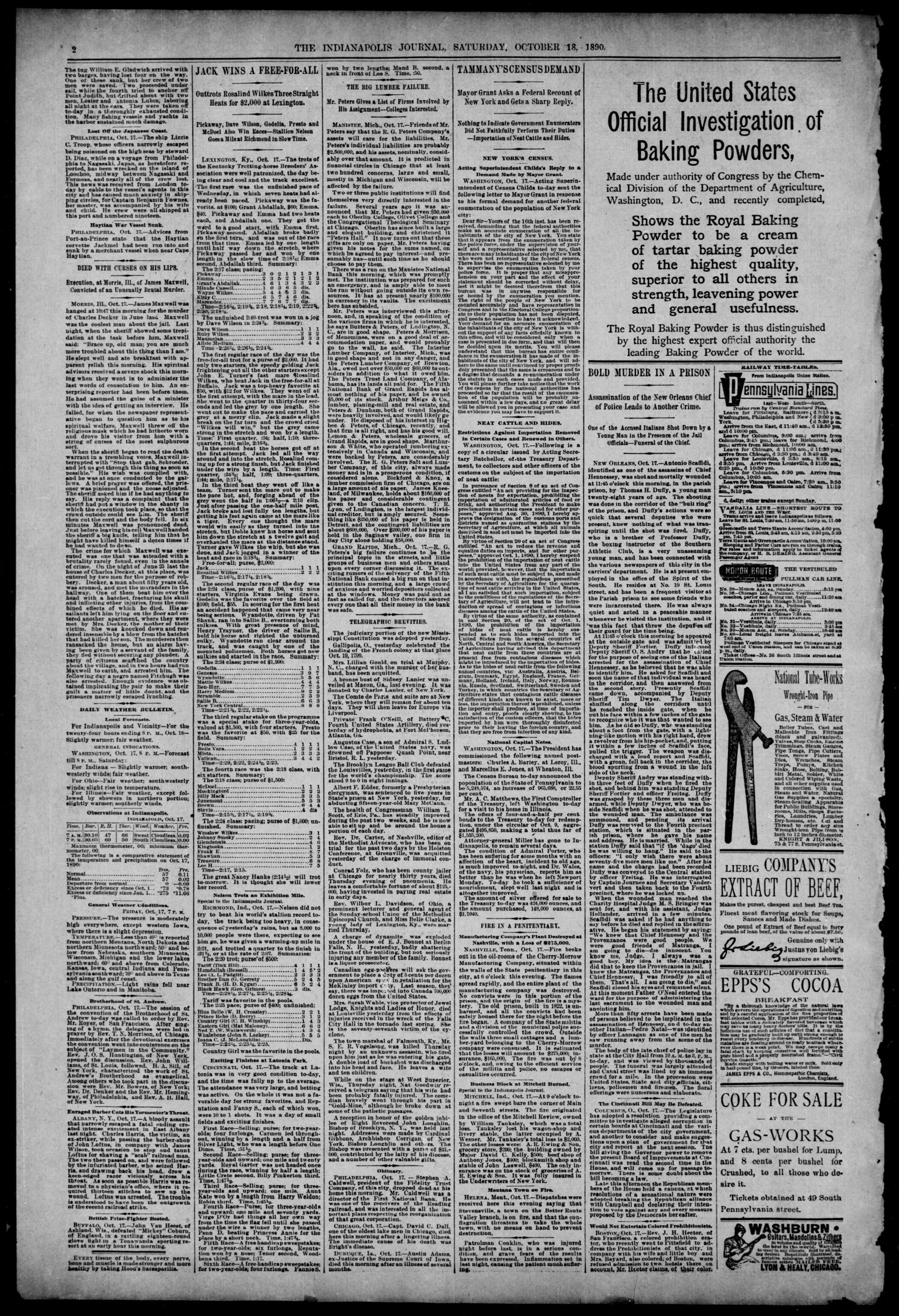
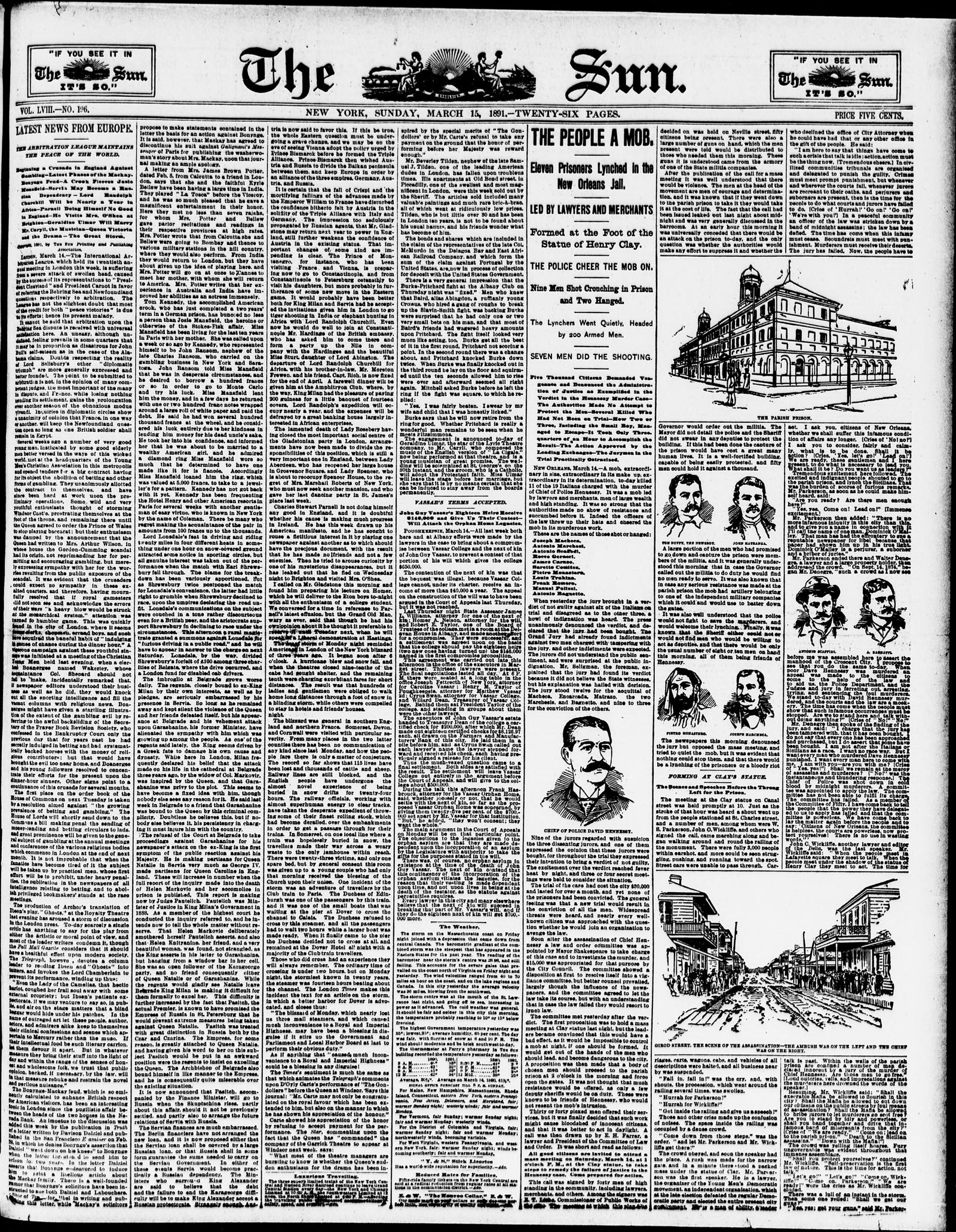
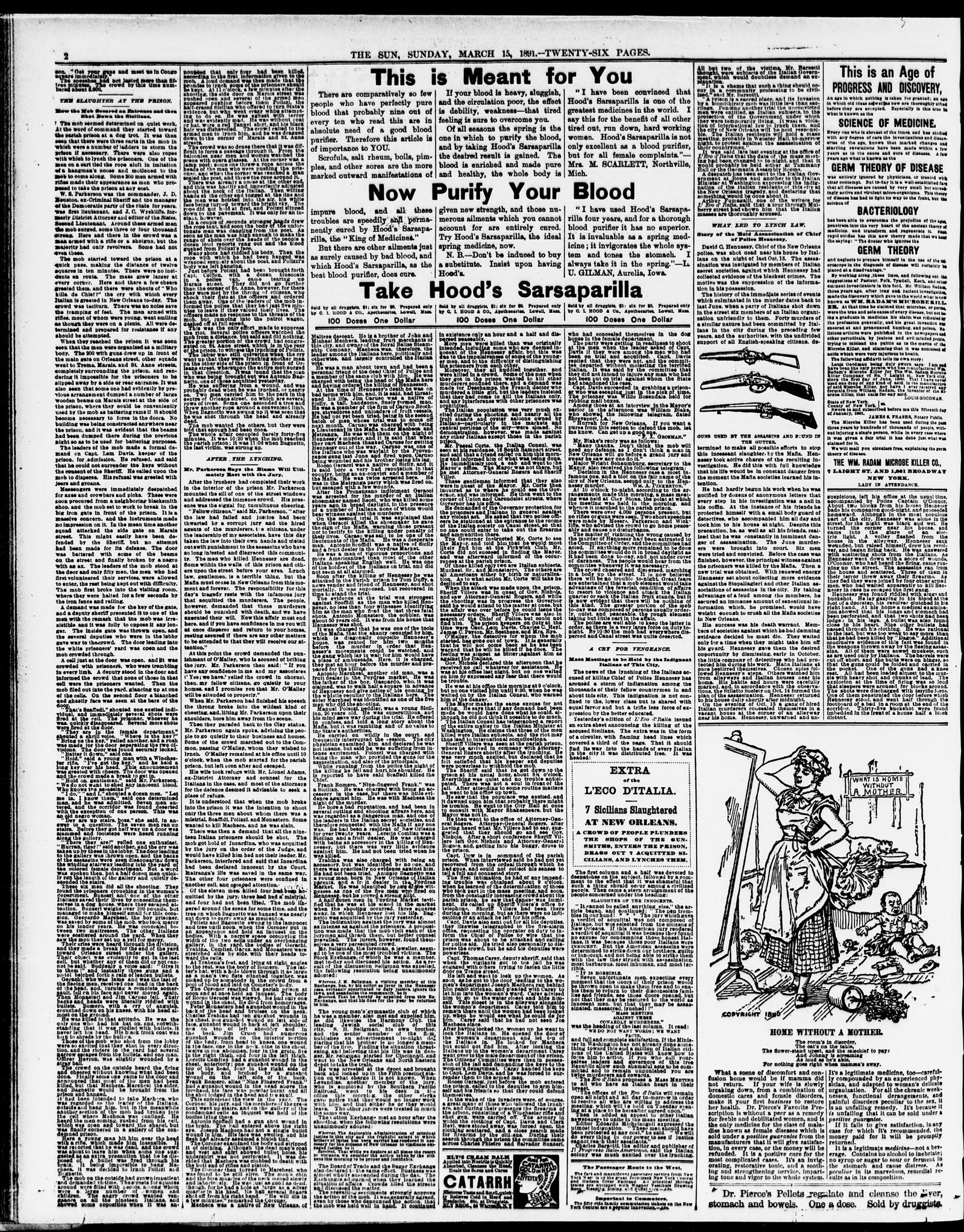
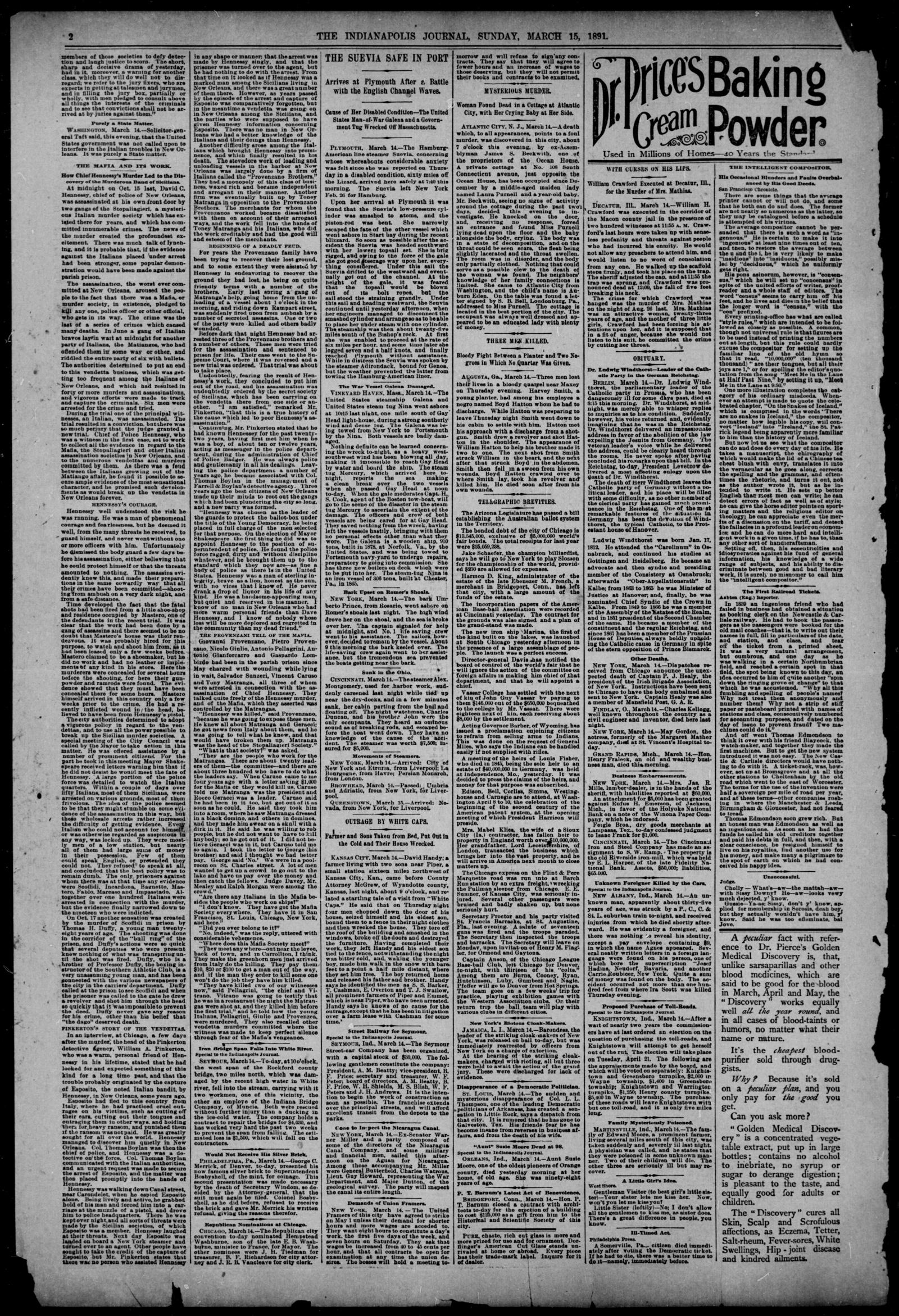
Police Chief David C. Hennessy was shot near midnight on 15 October 1890 and died the next morning. The first reports are in Waterbury, the Arizona Republican, the St. Paul Daily Globe, the New-York Tribune, the Sun, the Beatrice Daily Express and the Fort Worth Gazette. They agree that he was shot near Basin and Girod streets and that Italians were arrested; their statements that Italians were responsible, and that a society ordered killings, are the papers’ suppositions. The Richmond Times and the Indianapolis Journal of 18 October report that a prisoner, Antonio Scaffidi, was shot in the Parish Prison and describe rival Matranga and Provenzano factions. David C. Hennessy has a person page.
The trial and the verdict, February to March 1891
A one-line telegram of 20 February dates the slow jury selection. On 7 March the Sun reported a prisoner’s claims about a secret society, alongside the statement that “there has not been a bit of evidence adduced” of a Mafia. The closing arguments were reported on 13 March. On 14 March the Sun’s verdict dispatch reports not-guilty verdicts as to six defendants and no agreement as to three, while an early Richmond report printed a different, mistaken verdict. The Evening World’s editorial, written before the killings, says the Mafia “has never been proven to have a being in this country.” The State Department’s printed lists of the accused (registered voters, status unknown) record their citizenship; Charles Matranga and Joseph Macheca are named there and in the newspaper pages, and the Provenzano brothers in the March papers.
The Parish Prison, 14 March 1891
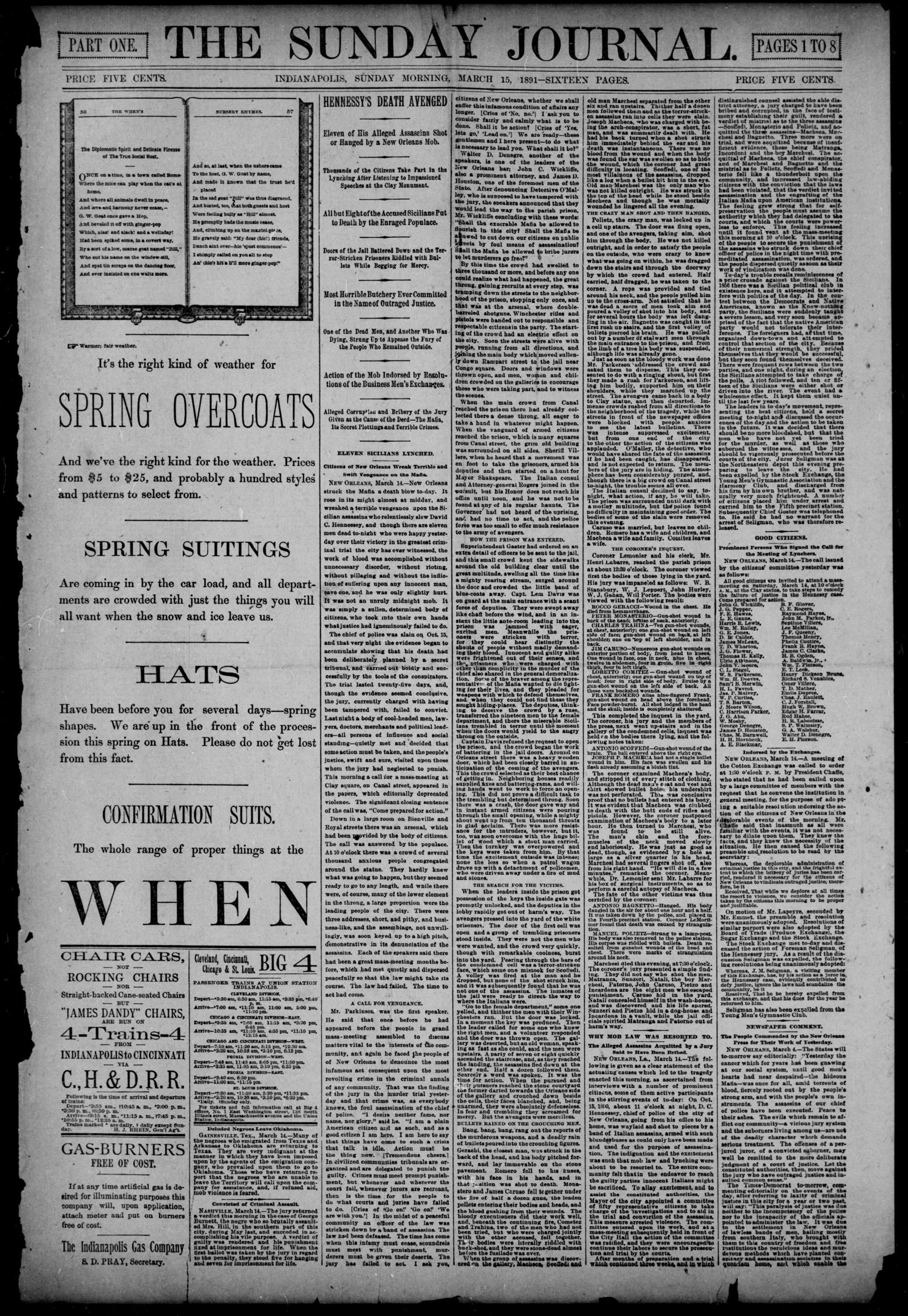
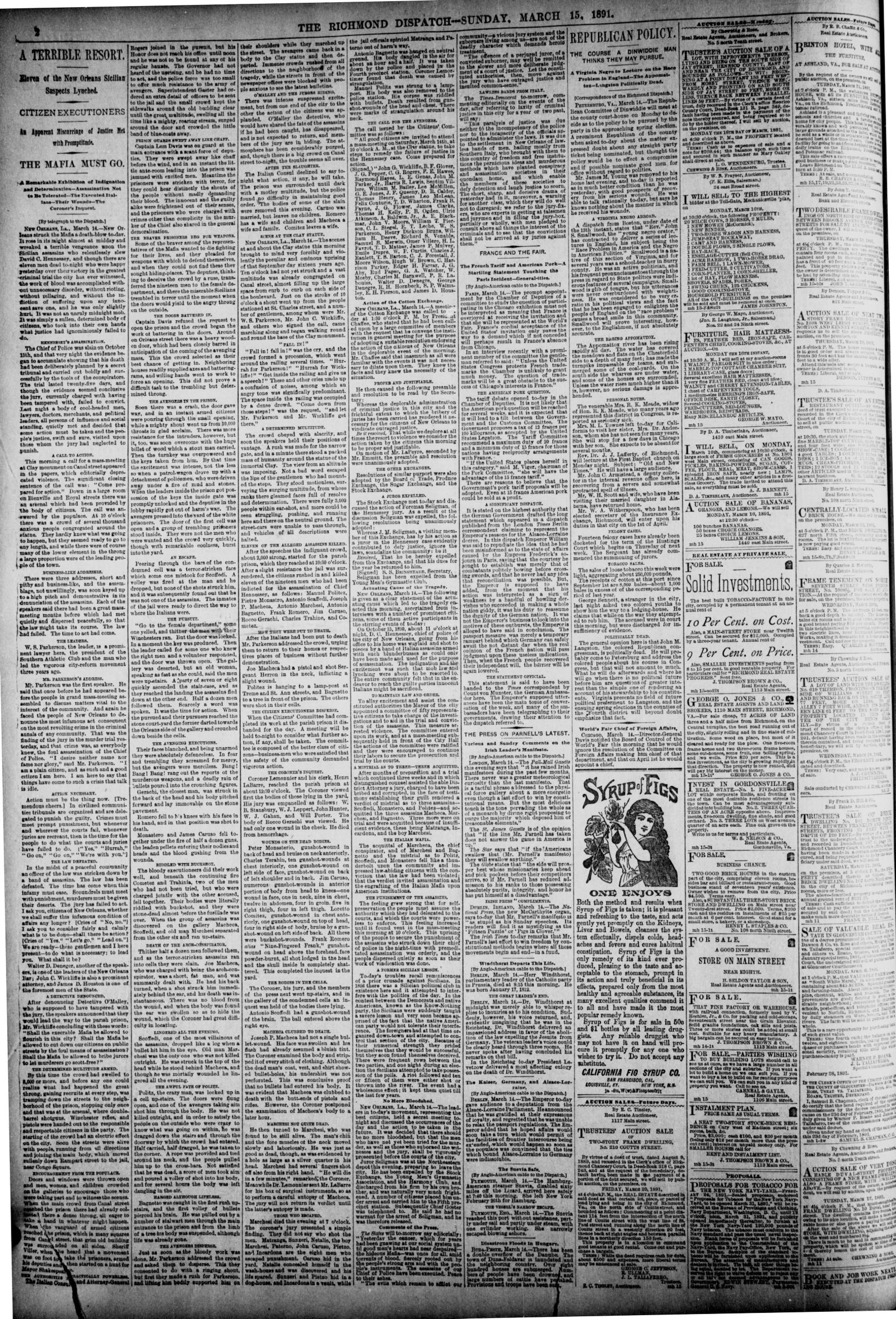
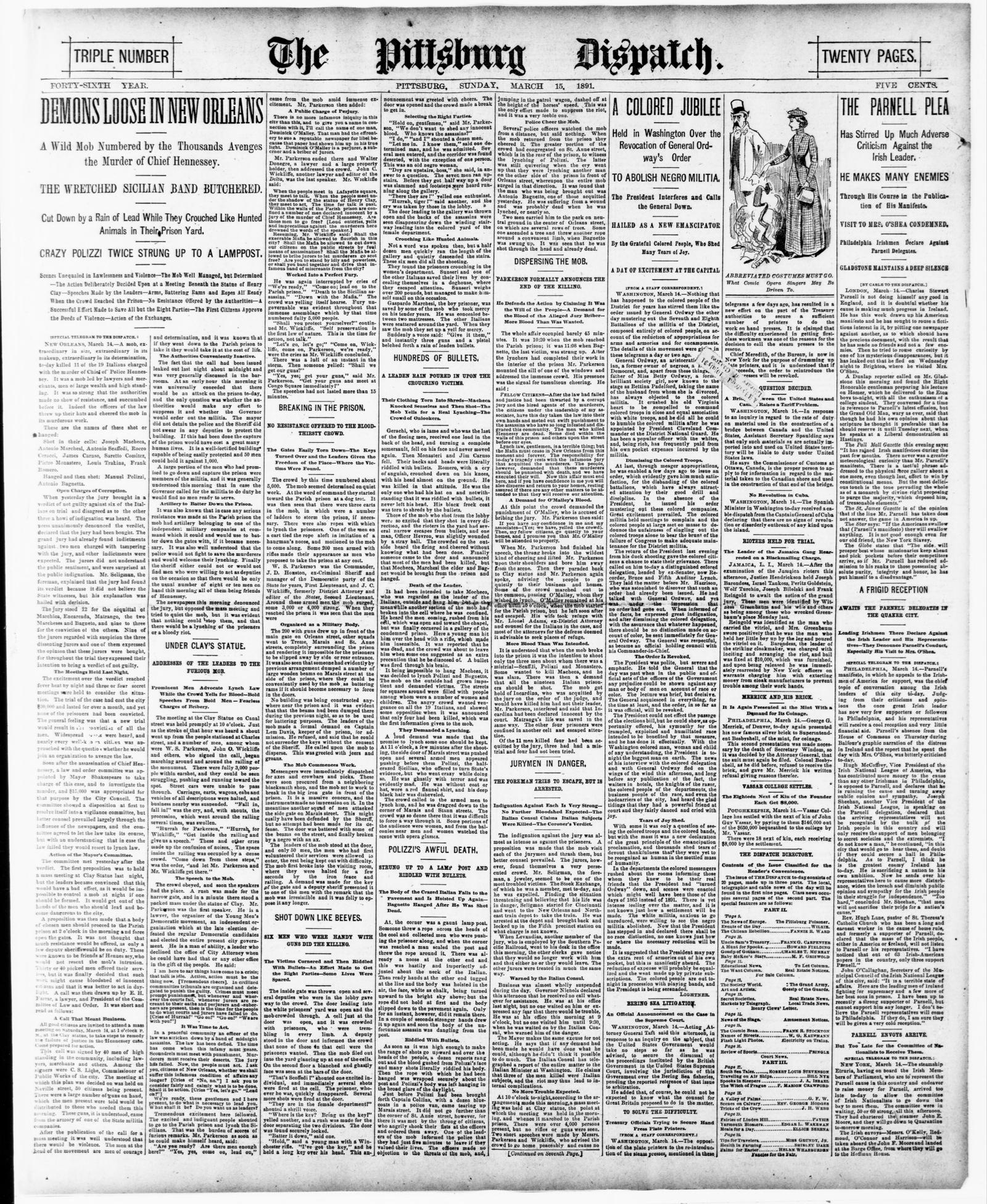
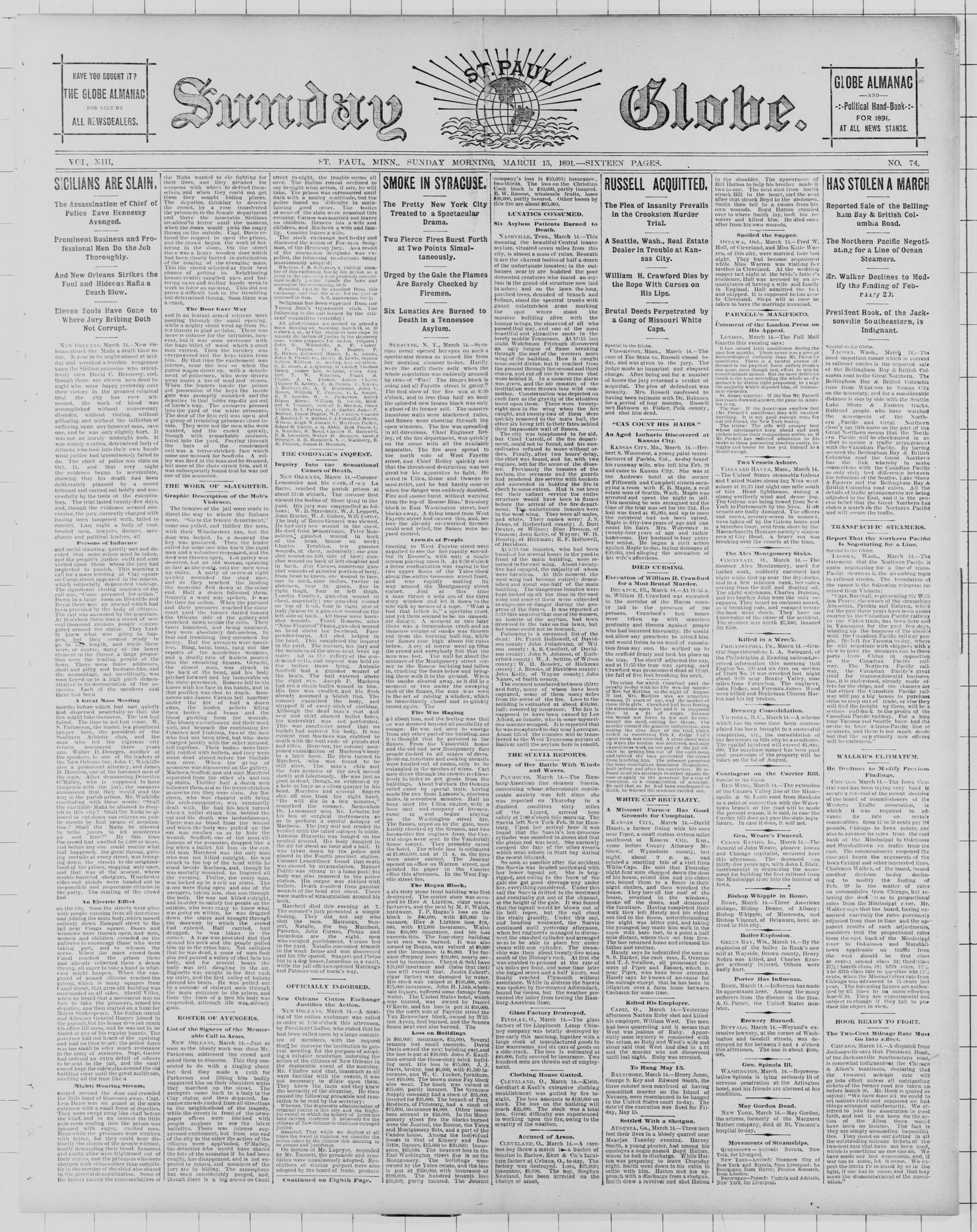
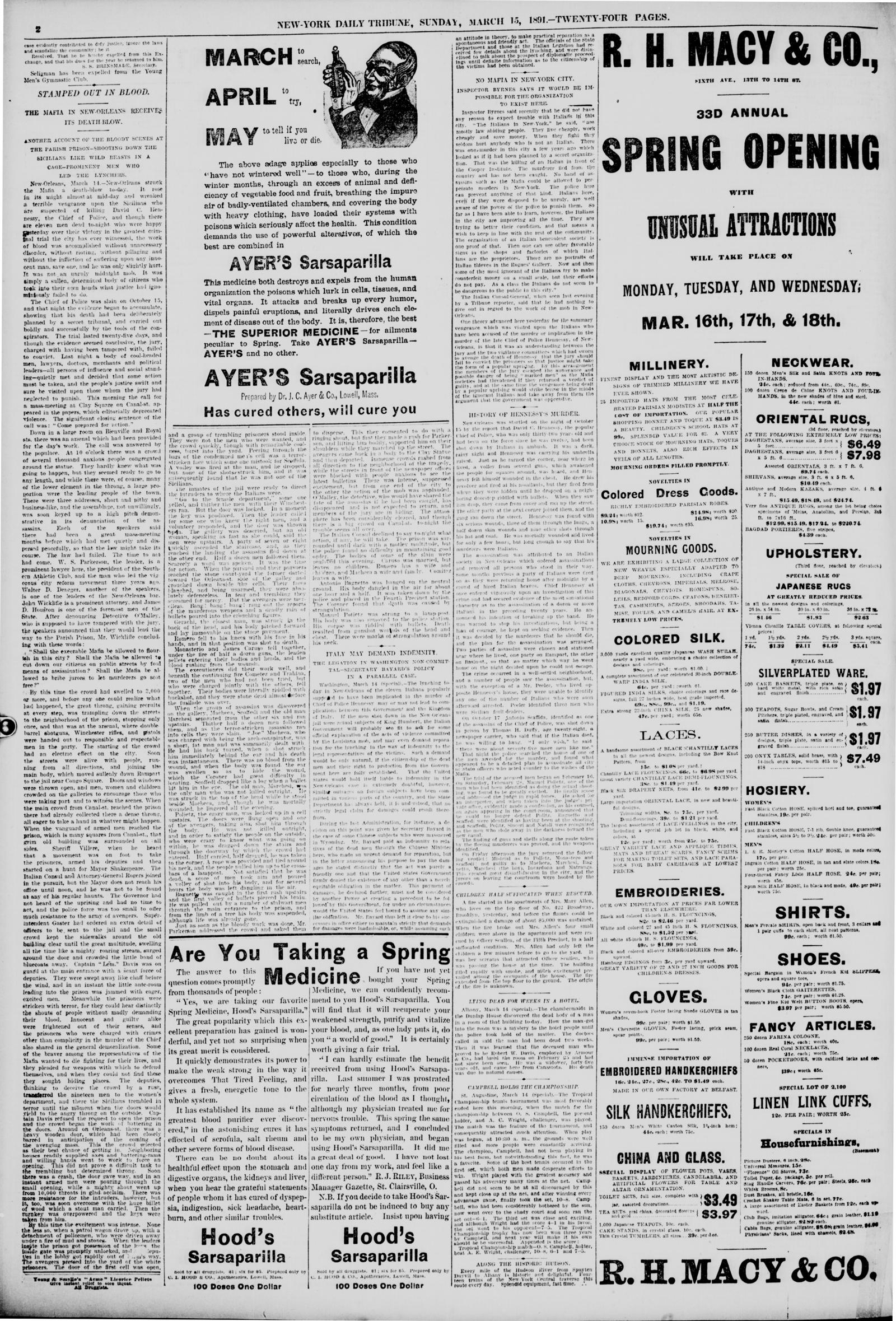
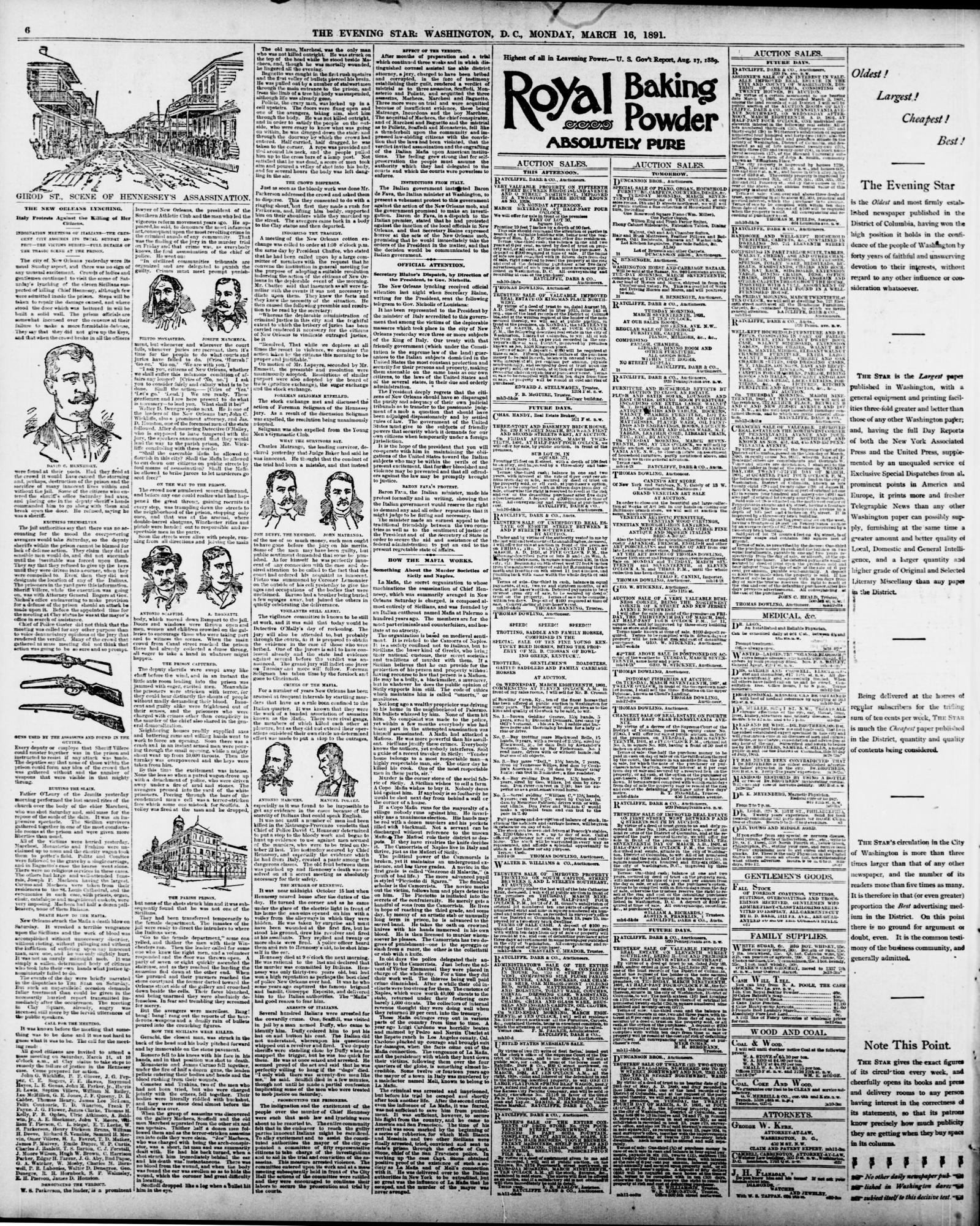
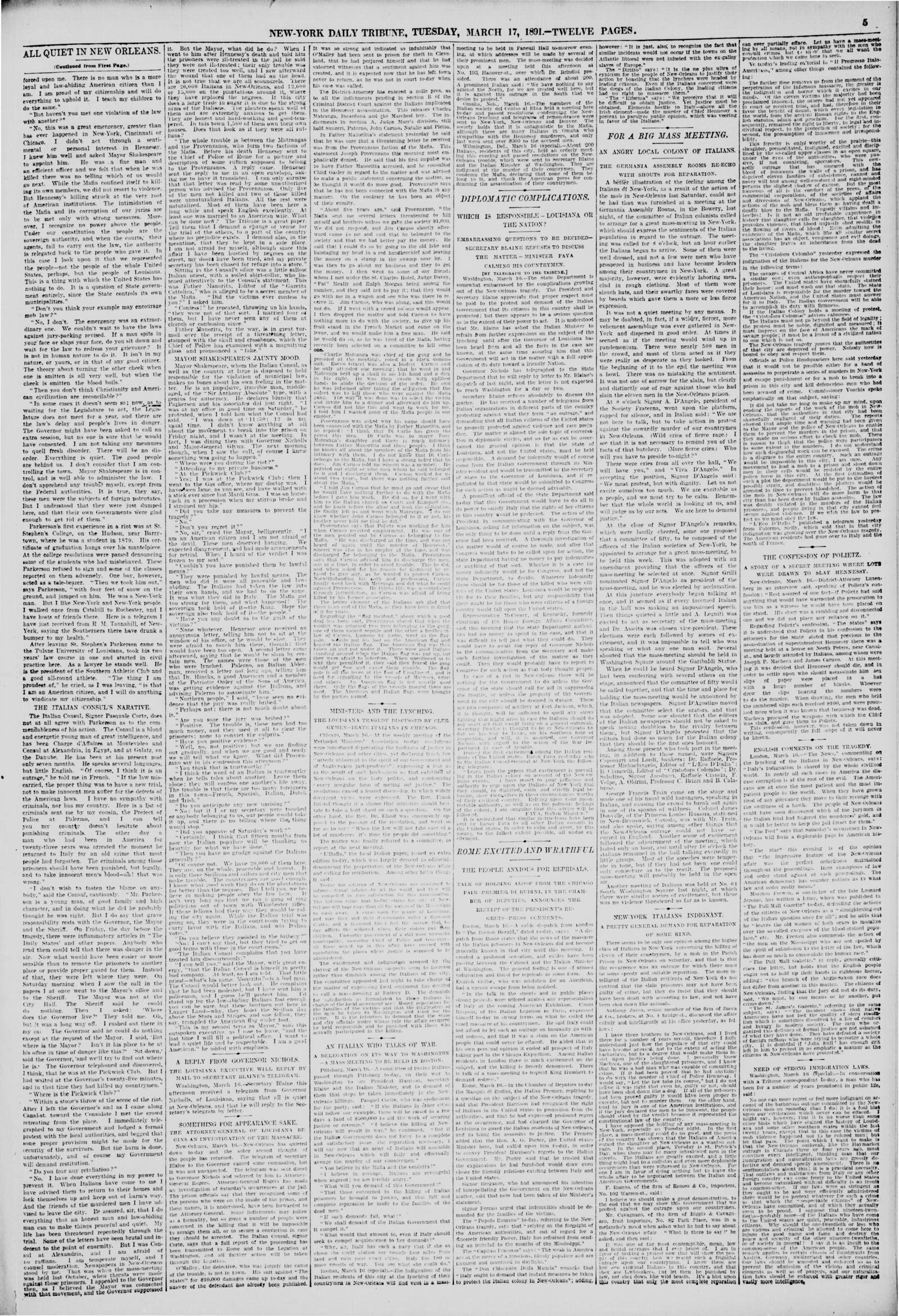
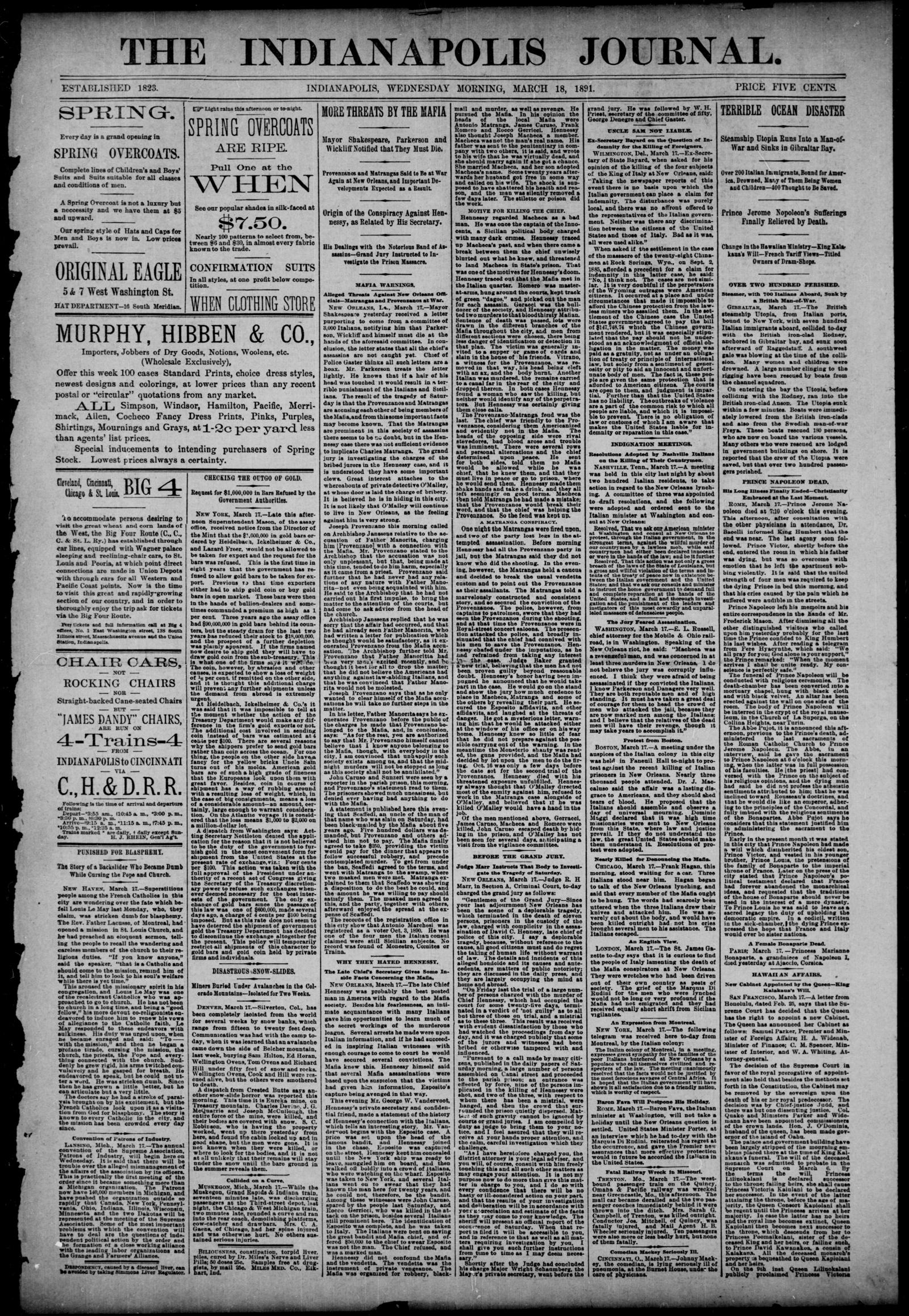
An armed crowd gathered after a call for a mass meeting at the Clay statue, went to the Parish Prison, and, as the papers report, shot or hanged eleven of the men held there. The Evening World’s Last Edition counted six; its Sporting Extra counted eleven. The 15 March pages are the Sun, page 1 and page 2, the Indianapolis Journal, whose second page carries background and the Provenzanos’ statements, the Richmond Dispatch, the Pittsburg Dispatch, the St. Paul Daily Globe and the New-York Tribune. Their headlines and decks approve of the killings. Afterward the Evening Star, the Tribune interviews and the Indianapolis Journal of 18 March report speeches, interviews and rumors of renewed threats. This archive takes no casualty count, motive or society from a single page.
The State Department’s correspondence
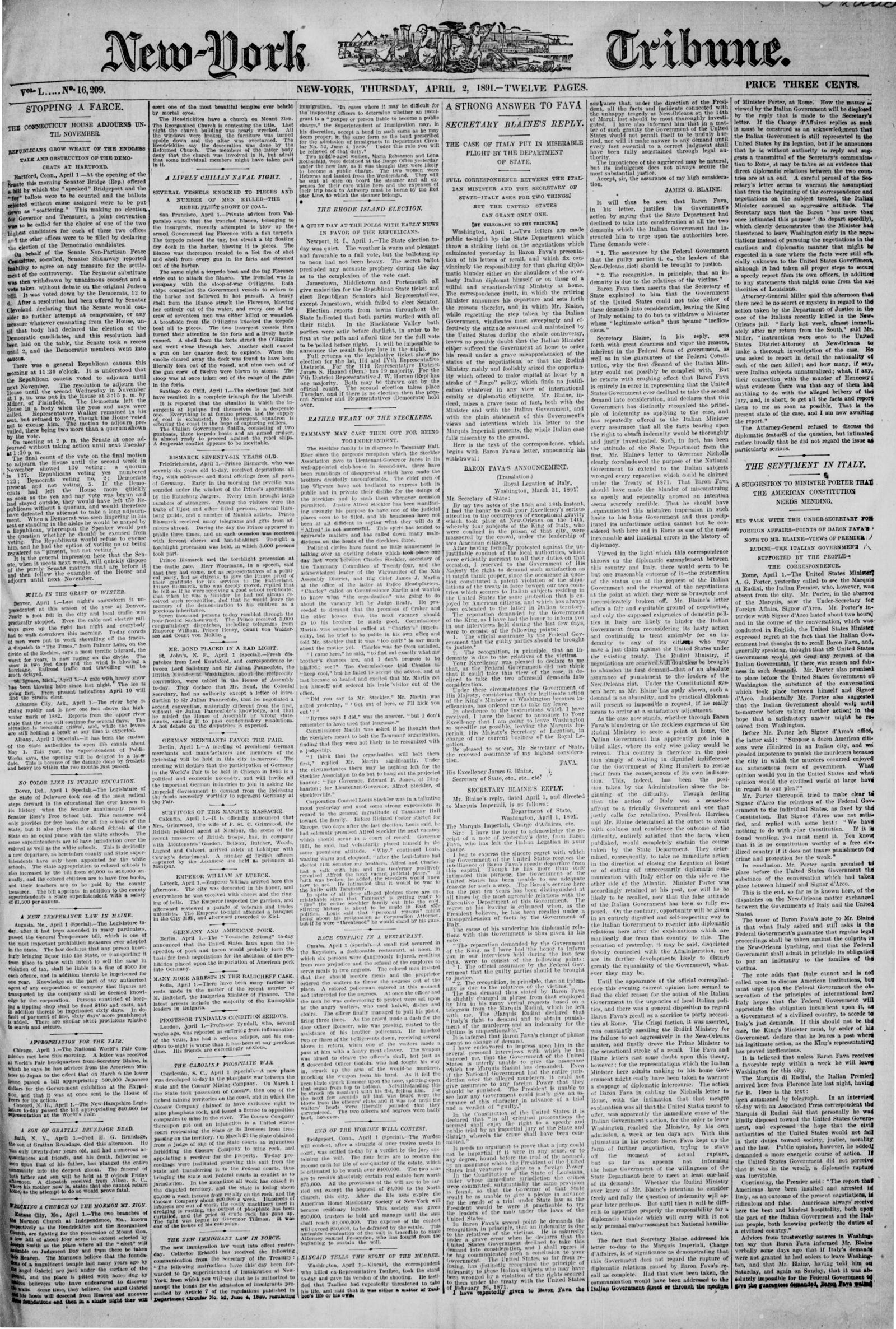
The chapter index of the 1891 Foreign Relations volume lists Documents 602-662. Filed here: Blaine to the governor, 21 October 1890; the Italian consul’s telegram of 14 March, which counts eleven killed, three of them Italians; Blaine’s telegram; the governor’s reply, which says the action “was directed against particular individuals”; the Tribune’s report of Baron Fava’s recall; and the President’s message of December 1891, which calls the lynching “a most deplorable and discreditable incident.”
Frank Costello’s Louisiana slot machines, Western Union’s 1951 testimony on Continental Press terminals in New Orleans, and three 1938 Farm Security Administration photographs of slot machines in Raceland and Pilottown are filed on the Gambling and the wire page.
Not filed yet
No court record of the Hennessy trial, no record of any Matranga or Provenzano case, and no federal record of Marcello’s other matters is filed. Documents 632-662 of the State Department volume were not opened. The Kefauver volume’s exhibits and most of its witnesses were not read. Vault Part 03 of the Marcello file was not pulled.