Record
Court opinion
1925-03-02
CourtListener (Free Law Project), reprinting the opinion of the Supreme Court of the United States
Carroll v. United States, 267 U.S. 132 (1925)
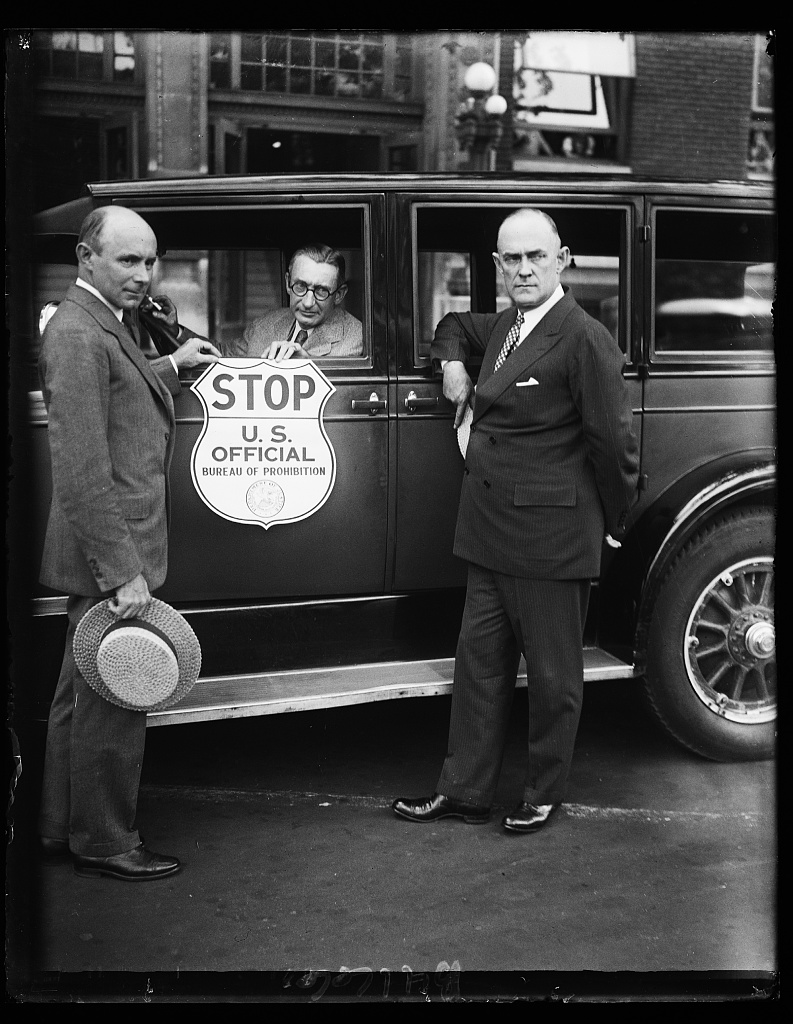
The Supreme Court holds, 2 March 1925, that a federal prohibition agent may search an automobile without a warrant when he has probable cause to believe it contains contraband liquor, but may not stop cars at random.
- Date
- 1925-03-02
- Kind
- court-opinion
- Source
- CourtListener (Free Law Project), reprinting the opinion of the Supreme Court of the United States
- Retrieved
- 2026-10-11
- Docket
- 267 U.S. 132 (1925), No. 15
- Rights
- Opinion of the Supreme Court of the United States. Judicial opinions of the Court are not subject to copyright (17 U.S.C. § 105; Wheaton v. Peters). The text read here is CourtListener's scan-derived copy of the reported opinion.
Decided March 2, 1925, after argument in 1923 and 1924; No. 15. The Court held that a federal prohibition agent may search an automobile without a warrant when he has probable cause to believe it contains contraband liquor, because a vehicle can be moved out of the locality before a warrant can be obtained. It affirmed, and distinguished that rule from searches of homes and stores, which require a warrant. Chief Justice Taft wrote the opinion, and Justice McReynolds filed a separate opinion.
The Court set a limit: “It would be intolerable and unreasonable if a prohibition agent were authorized to stop every automobile on the chance of finding liquor and thus subject all persons lawfully using the highways to the inconvenience and indignity of such a search.” Probable cause is required. The facts of the underlying arrest were not read closely for this page. Quotations follow CourtListener’s scan-derived text.