Record
Court opinion
1925-04-13
CourtListener (Free Law Project), reprinting the opinion of the Supreme Court of the United States
Steele v. United States No. 2, 267 U.S. 505 (1925)
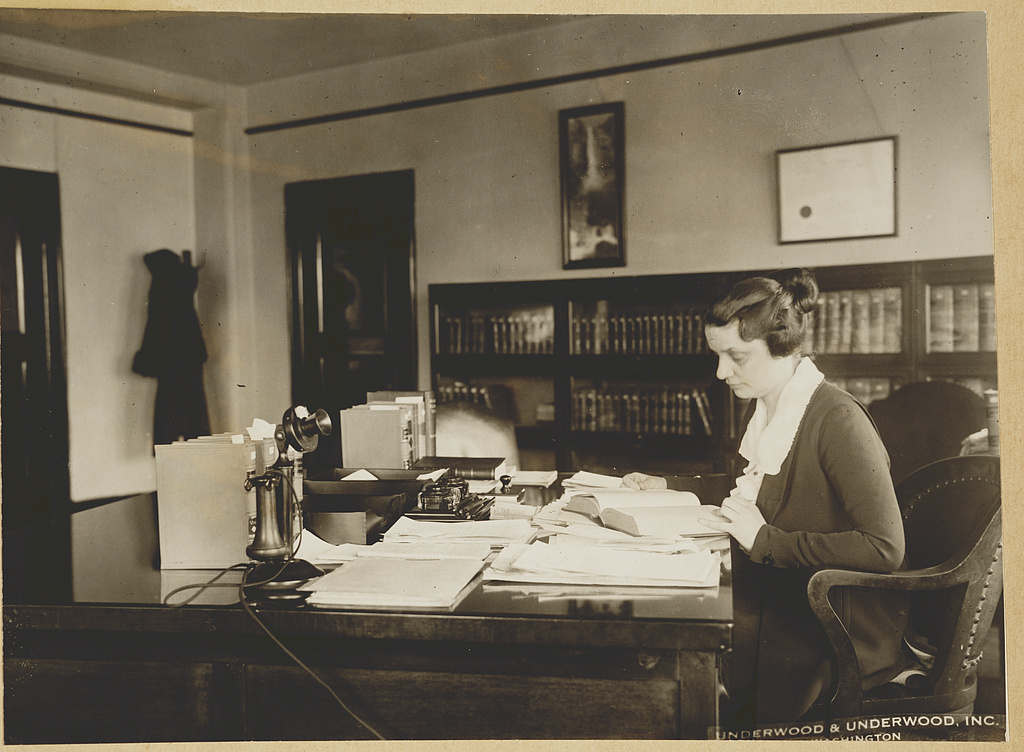
The Supreme Court held, 13 April 1925, that a general prohibition agent could be authorized to receive and serve a search warrant. The counsel line lists "Assistant Attorney General Willebrandt" on the brief for the United States.
- Date
- 1925-04-13
- Kind
- court-opinion
- Source
- CourtListener (Free Law Project), reprinting the opinion of the Supreme Court of the United States
- Retrieved
- 2026-10-12
- Docket
- 267 U.S. 505 (1925), No. 636
- Rights
- Opinion of the Supreme Court of the United States. Judicial opinions of the Court are not subject to copyright (17 U.S.C. § 105; Wheaton v. Peters). The text read here is CourtListener's scan-derived copy of the reported opinion.
Argued March 11, 1925, decided April 13, 1925; No. 636. Chief Justice Taft’s opinion held that a general prohibition agent could be authorized to receive and serve a search warrant under the provisions of the Espionage Act of 1917 incorporated in the National Prohibition Act, and “The judgment of the District Court is affirmed.”
The counsel line reads: “Solicitor General Beck, Assistant Attorney General Willebrandt, and Mr. Mahlon D. Kiefer, Special Assistant to the Attorney General, were on the brief for the United States.” The CourtListener text prints stray punctuation around her name from the scan. The case is filed for that line, which gives her title.