Record
Agency history
2021-11-19
U.S. Coast Guard Historian's Office
Coast Guard Historian's article on catching rum-runners during Prohibition (19 November 2021)
Article by Coast Guard Atlantic Area historian William H. Thiesen, "The Long Blue Line: Catching the rumrunners," on the Coast Guard's Prohibition mission, "Rum Row", the 1924 fleet expansion and the 320 cutters and destroyers at the end of Prohibition.
- Date
- 2021-11-19
- Kind
- agency-history
- Retrieved
- 2026-10-11
- Rights
- Federal agency web page by a Coast Guard historian (17 U.S.C. § 105).
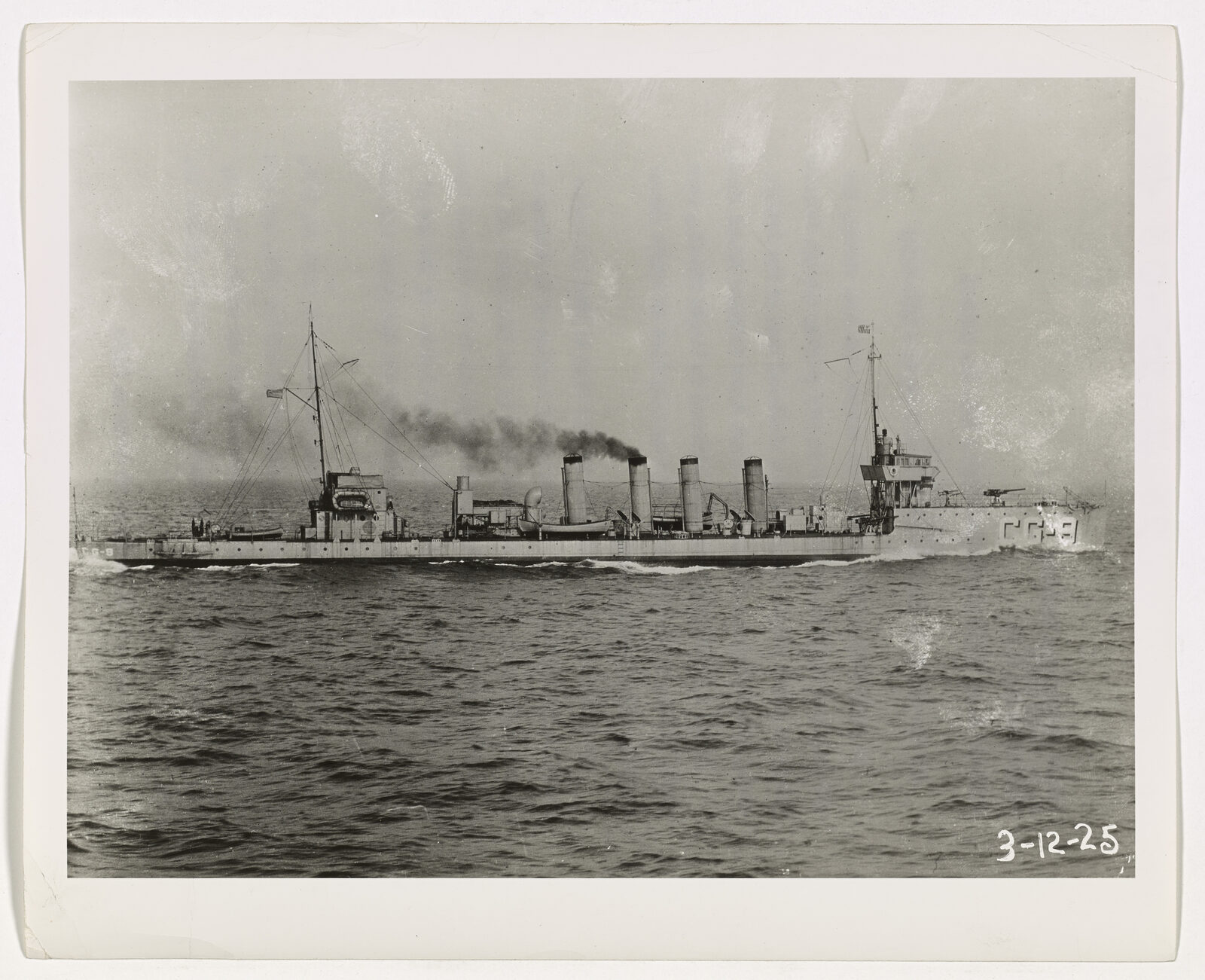
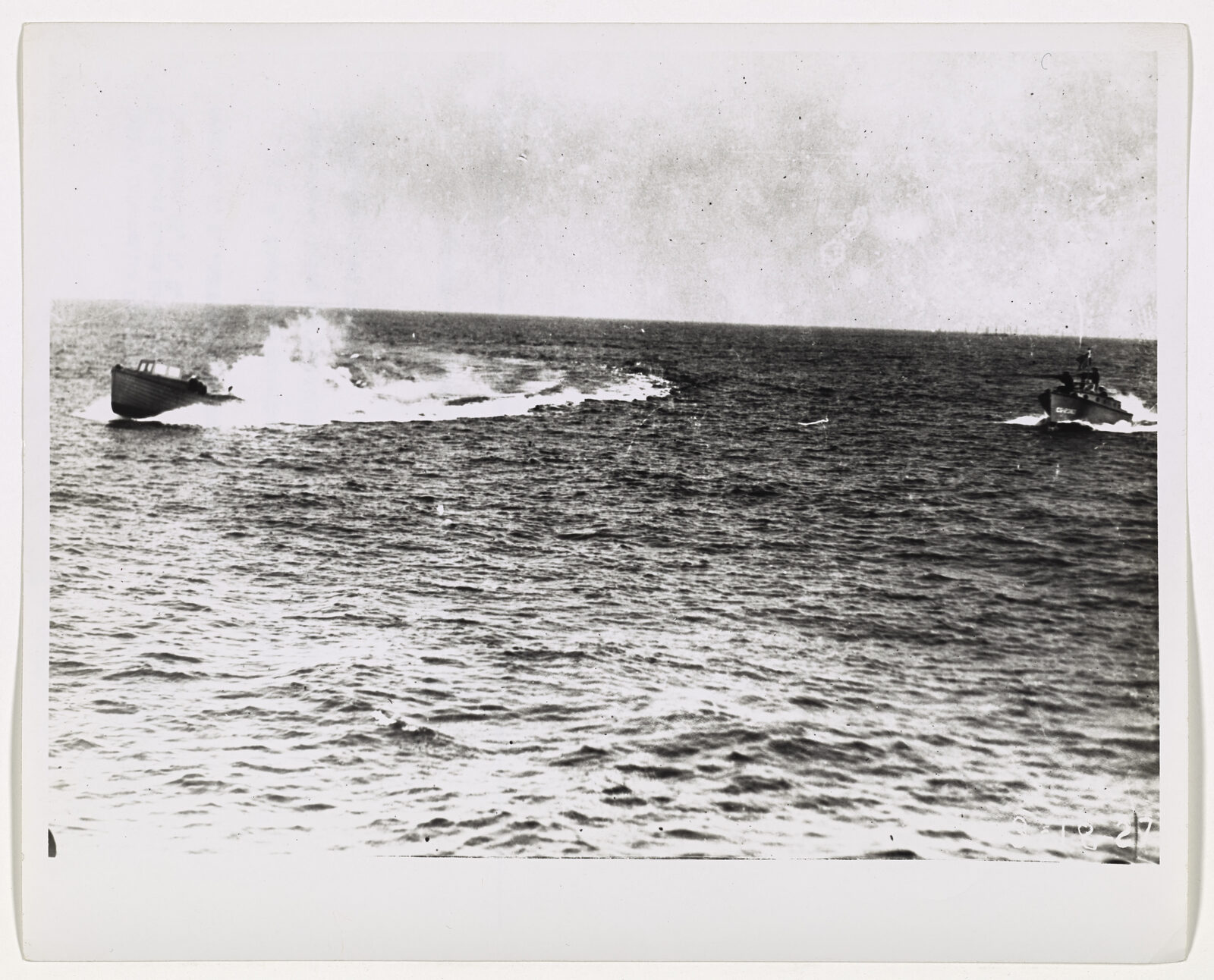
William H. Thiesen’s article of November 19, 2021 calls Prohibition enforcement “the largest law enforcement mission in the long and storied history of the Coast Guard.” It says that by 1922 the Federal Prohibition Commission counted hundreds of mother ships in “Rum Row,” with up to 60 off the Jersey coast alone, and that Commandant William Reynolds admitted in 1923 his cutters could prevent “only a small part” of the illegal liquor. Treasury Secretary Andrew Mellon recommended enlarging the service at a cost of $28.5 million, and Congress appropriated about half. In 1924 the service re-purposed over 450 seized rum-running boats and built 103 36-foot picket boats, and refurbished Navy destroyers went to sea under Coast Guard crews, starting with the Henley in summer 1924.
By the end of Prohibition, the article says, the service had 320 cutters and destroyers, its budget had grown from $9.3 million in 1923 to over $24 million in 1927, and its personnel from 4,000 to 10,000. These figures are the author’s and are not footnoted on the page. The saved text also holds the site’s navigation text, which is not used.