FBI Chicago and Miami reports, January-April 1960: Murray Humphreys's travel and contacts (Vault Humphreys Part 03)
Reports on the Chicago 'top hoodlum' Murray Llewellyn Humphreys record a conversation with Sam Giancana and the February 25, 1960 surveillance of his trip by helicopter to O'Hare and on to Miami, where Miami agents took over.
- Date
- 1960-01/1960-04
- Kind
- case-file
- Retrieved
- 2026-10-12
- Docket
- Chicago file 92-795, later 92-348
- Rights
- A record of the Federal Bureau of Investigation released under FOIA through the FBI Vault. A work of the United States government, public domain under 17 U.S.C. § 105.
Part 03 of the Humphreys file (Chicago file 92-795, later 92-348) holds FBI reports on the man the Bureau calls a Chicago “top hoodlum,” Murray Llewellyn Humphreys. About 40 of its 248 pages are legible enough to read.
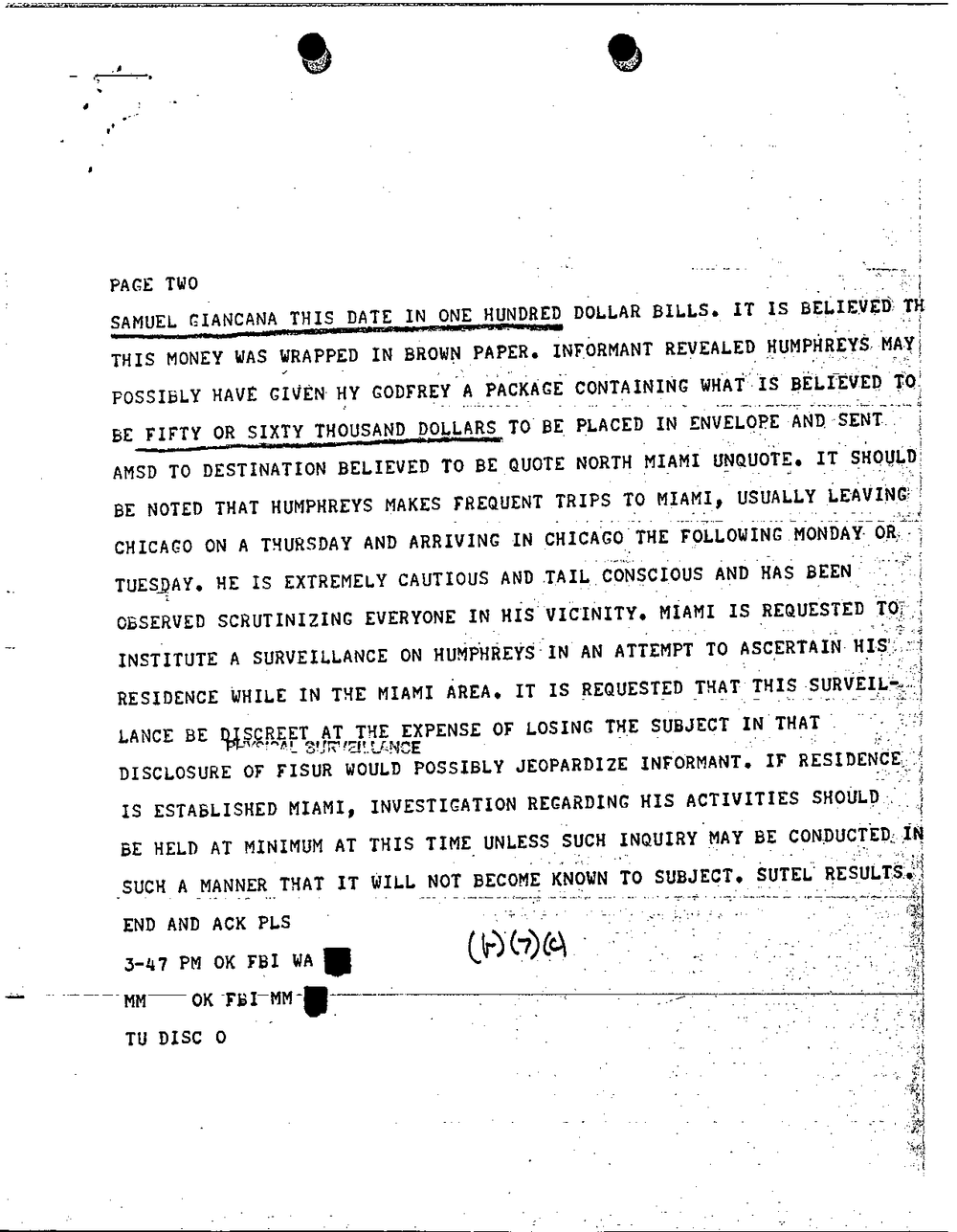
Page two of a teletype (p. 7) relays an informant’s report that Humphreys may have handed an associate a package believed to hold fifty or sixty thousand dollars to be sent to North Miami, and asks the Miami office to institute a surveillance of Humphreys while he was in the Miami area. Pages 22-24 say he had a conversation with Sam Giancana on one date, and that on February 25, 1960 Chicago agents watched him take a helicopter from the airport east of the Loop to O’Hare Airport and board a flight to Miami, where Miami agents picked up the surveillance.
The money and its destination are an informant’s account, relayed by the FBI and not confirmed in the pages read. “Top hoodlum” is the name of the FBI’s own program and the Bureau’s label, not a finding. Residential addresses in the reports are not repeated. This archive read the page through the Vault viewer’s OCR text layer. The scans are poor; names, dates and figures can be garbled, and many names are redacted under FOIA exemptions (b6, b7C, b7D).