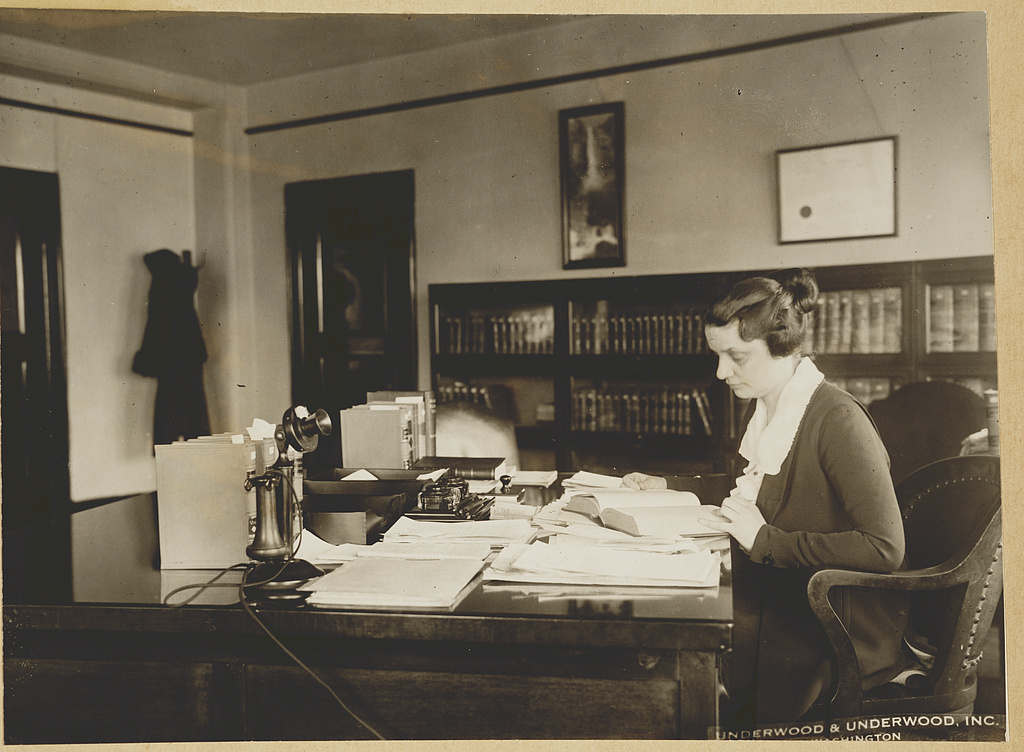
Mabel Walker Willebrandt
Assistant Attorney General in the 1920s, named on the government's briefs in Prohibition cases in the Supreme Court and addressed by the Bureau of Investigation's Director in the 1929 Capone contempt inquiry. A 1929 photograph records her successor being sworn in.
- Aliases
- Mrs. Mabel Walker Willebrandt, Mabel Willebrandt
- Role
- Assistant Attorney General ("Assistant Attorney General Willebrandt"), counsel line of Steele v. United States No. 2, 267 U.S. 505 (1925), and later Supreme Court counsel lines
- Rights
- Biography on this page is limited to what the cited records state, each labelled by kind.
On the record
- 7 June 1924 — Library of Congress National Photo Company photograph: President Coolidge at his desk with Mabel Willebrandt and a congressman standing behind him.
- 9 June 1924 — James Everard's Breweries v. Day, 265 U.S. 545: "Mr. Solicitor General Beck, with whom Mrs. Mabel Walker Willebrandt and Mr. Mahlon D. Kiefer were on the brief, for appellees."
- 13 April 1925 — Steele v. United States No. 2, 267 U.S. 505: "Solicitor General Beck, Assistant Attorney General Willebrandt, and Mr. Mahlon D. Kiefer ... were on the brief for the United States."
- 22 November 1926 — United States v. One Ford Coupe Automobile, 272 U.S. 321: the counsel line records that she argued for the United States "on the original argument."
- 29 November 1926 — Lambert v. Yellowley, 272 U.S. 581: "Assistant Attorney General Willebrandt, with whom Solicitor General Mitchell and Mr. Mahlon D. Kiefer ... were on the brief, for appellees."
- 16 May 1927 — United States v. Sullivan, 274 U.S. 259: the brief for the United States was filed by Assistant Attorney General Willebrandt with the Solicitor General and others.
- 21 March 1929 — FBI Vault, Al Capone Part 23: the Bureau of Investigation's Director tells Assistant Attorney General Mabel Walker Willebrandt that he has ordered a discreet, quick inquiry into whether Al Capone and a doctor could be held in contempt over a Miami doctor's affidavit.
- 22 November 1929 — Library of Congress Harris & Ewing photograph captioned "Succeeds Miss Willebrandt": G. A. Youngquist sworn in as Assistant Attorney General.
The role line comes from the printed counsel lines of the Supreme Court’s opinions, a federal record, and is limited to the years those lines show. No record filed here states when she took or left office; the 1929 photograph shows only that a successor was sworn in that November.
No birth or death date is set, because no record filed here gives one. The portrait is the Library of Congress print marked “No known restrictions on publication.”
Records
itemMabel Willebrandt, half-length portrait (1920-1940)Library of Congress biographical-file photograph of Mabel Willebrandt seated in her law office, reading at a desk covered with papers and books. The Library's title is devised and the date spans 1920-1940.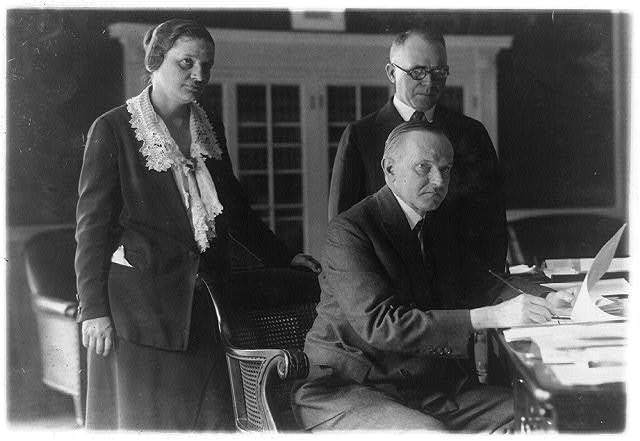 itemPresident Coolidge at his desk with Mabel Willebrandt and a congressman (7 June 1924)Library of Congress National Photo Company photograph of President Calvin Coolidge at a desk with a pen, Mabel Willebrandt and a congressman standing behind him. The record does not say what was being signed.itemJames Everard's Breweries v. Day, 265 U.S. 545 (1924)The Supreme Court upheld, 9 June 1924, the Supplemental Prohibition Act's ban on physicians prescribing malt liquor as medicine. The printed counsel line lists Mrs. Mabel Walker Willebrandt on the government's brief.itemSteele v. United States No. 2, 267 U.S. 505 (1925)The Supreme Court held, 13 April 1925, that a general prohibition agent could be authorized to receive and serve a search warrant. The counsel line lists "Assistant Attorney General Willebrandt" on the brief for the United States.itemLambert v. Yellowley, 272 U.S. 581 (1926)The Supreme Court upheld, 29 November 1926, the National Prohibition Act's limit on how much spirituous liquor a physician could prescribe. Assistant Attorney General Willebrandt heads the counsel line for the appellees.itemUnited States v. One Ford Coupe Automobile, 272 U.S. 321 (1926)The Supreme Court holds, 22 November 1926, that the National Prohibition Act did not displace Revised Statutes section 3450, so an automobile used to conceal tax-unpaid illicit liquor could be forfeited under that section.itemUnited States v. Sullivan, 274 U.S. 259 (1927)The Supreme Court holds, 16 May 1927, in an opinion by Justice Holmes, that gains from an unlawful liquor business are taxable income and that the Fifth Amendment did not excuse the defendant from filing a return at all.
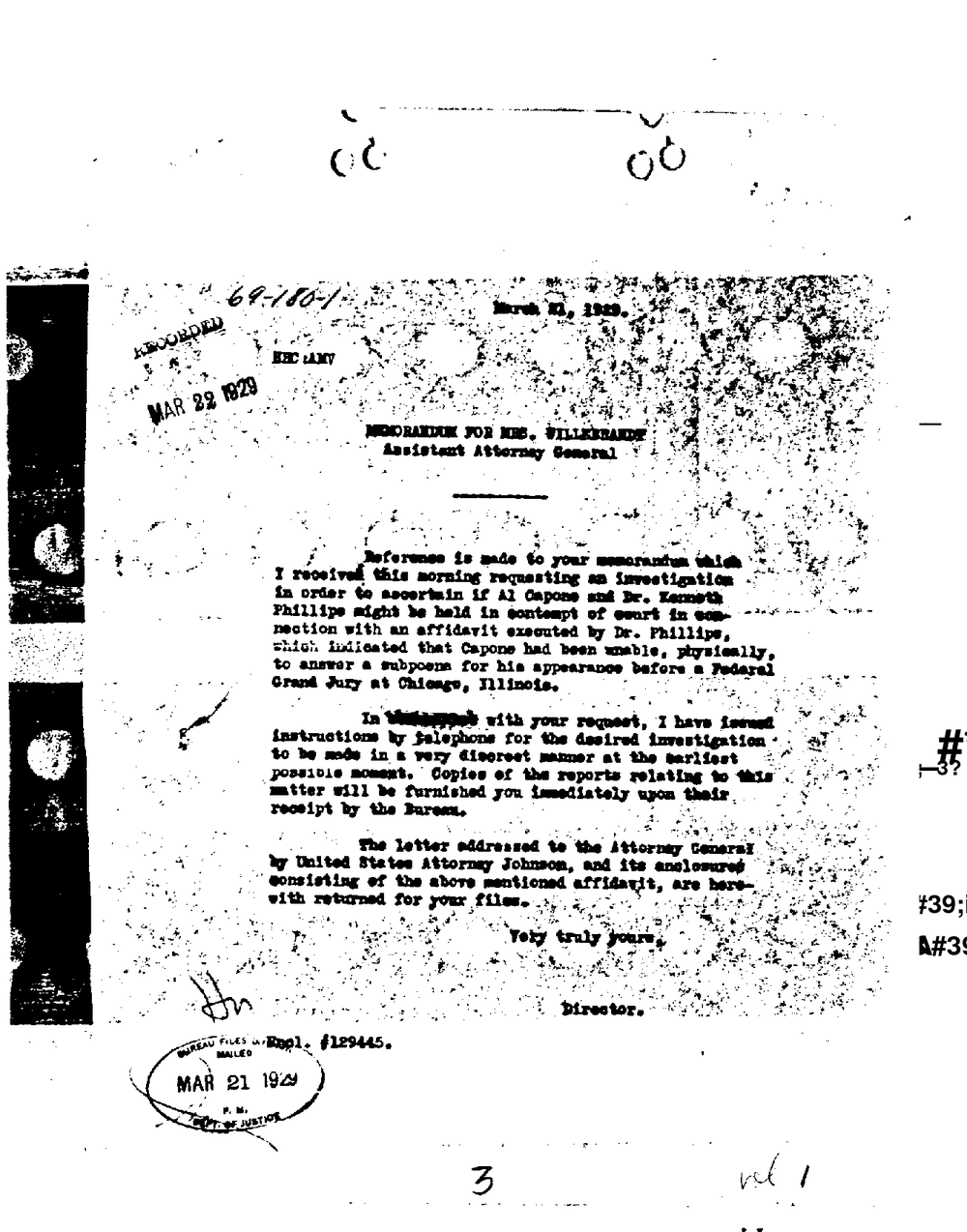 itemDirector's memorandum to Mrs. Willebrandt opening the Capone contempt inquiry (21 March 1929)The Bureau of Investigation's Director tells Assistant Attorney General Mabel Walker Willebrandt that he has ordered a discreet, quick inquiry into whether Al Capone and Dr. Kenneth Phillips could be held in contempt over a Miami doctor's affidavit.
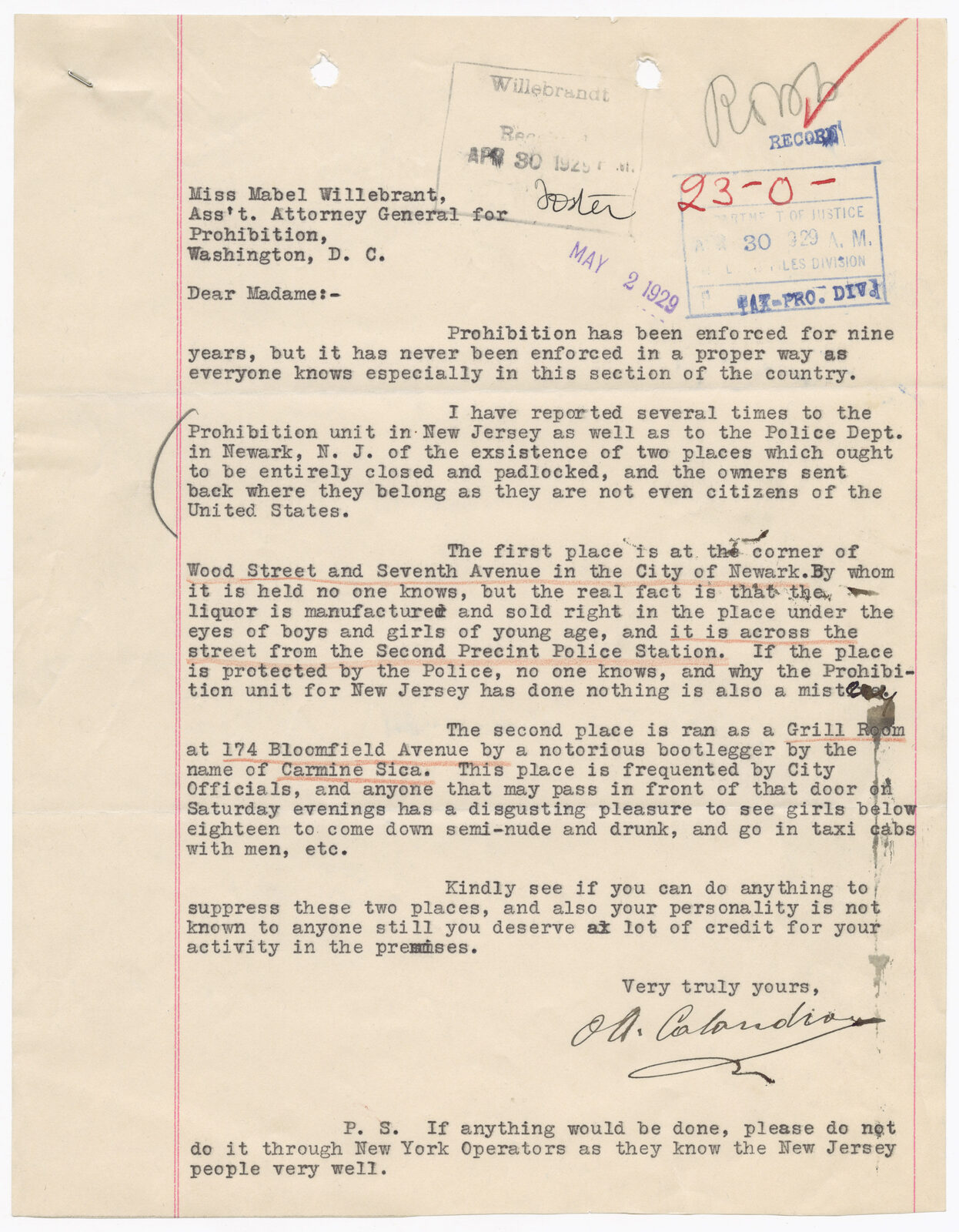 itemPrivate citizen's letter to Assistant Attorney General Willebrandt about two New Jersey establishments (April 1929)National Archives Justice Department file: a typed letter, stamped received 30 April 1929, saying Prohibition has not been properly enforced and asking Mabel Willebrandt to act against two named places in New Jersey. The names are not repeated here.
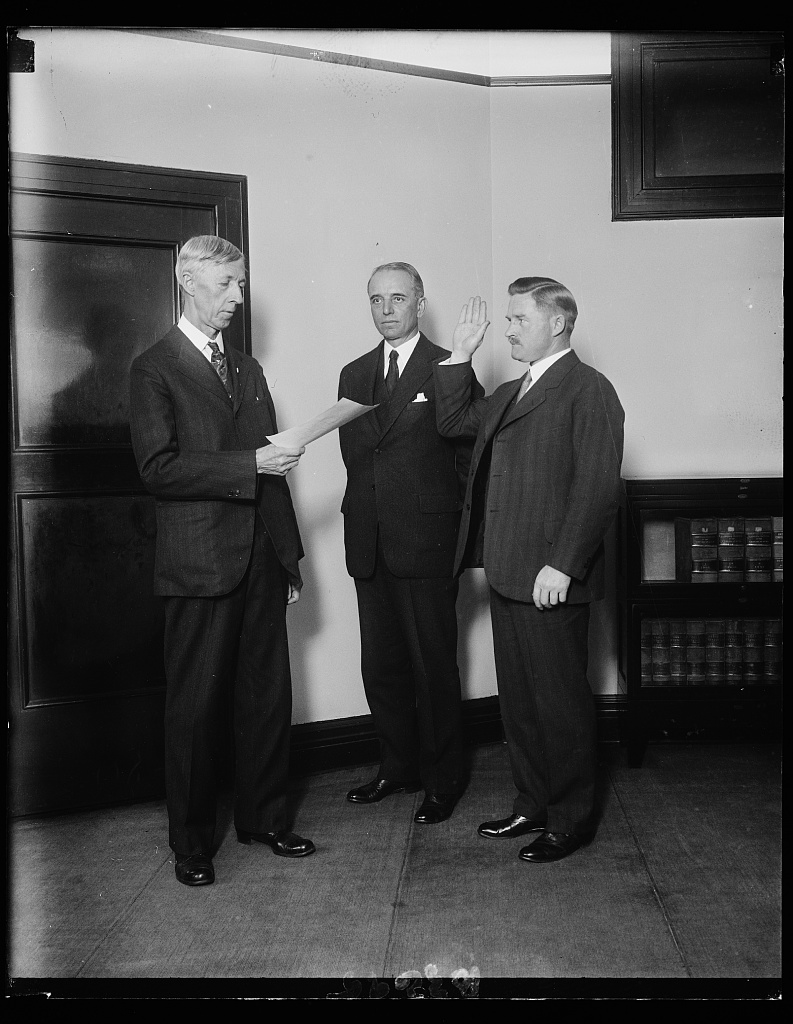 itemG.A. Youngquist sworn in to succeed Mabel Walker Willebrandt (22 November 1929)Library of Congress Harris & Ewing photograph captioned "Succeeds Miss Willebrandt": G.A. Youngquist sworn in as Assistant Attorney General, with Attorney General William D. Mitchell.