Record
Court opinion
1911-06-19
CourtListener (Free Law Project), text of the opinion
Calicchio v. United States, 189 F. 305 (2d Cir. 1911)
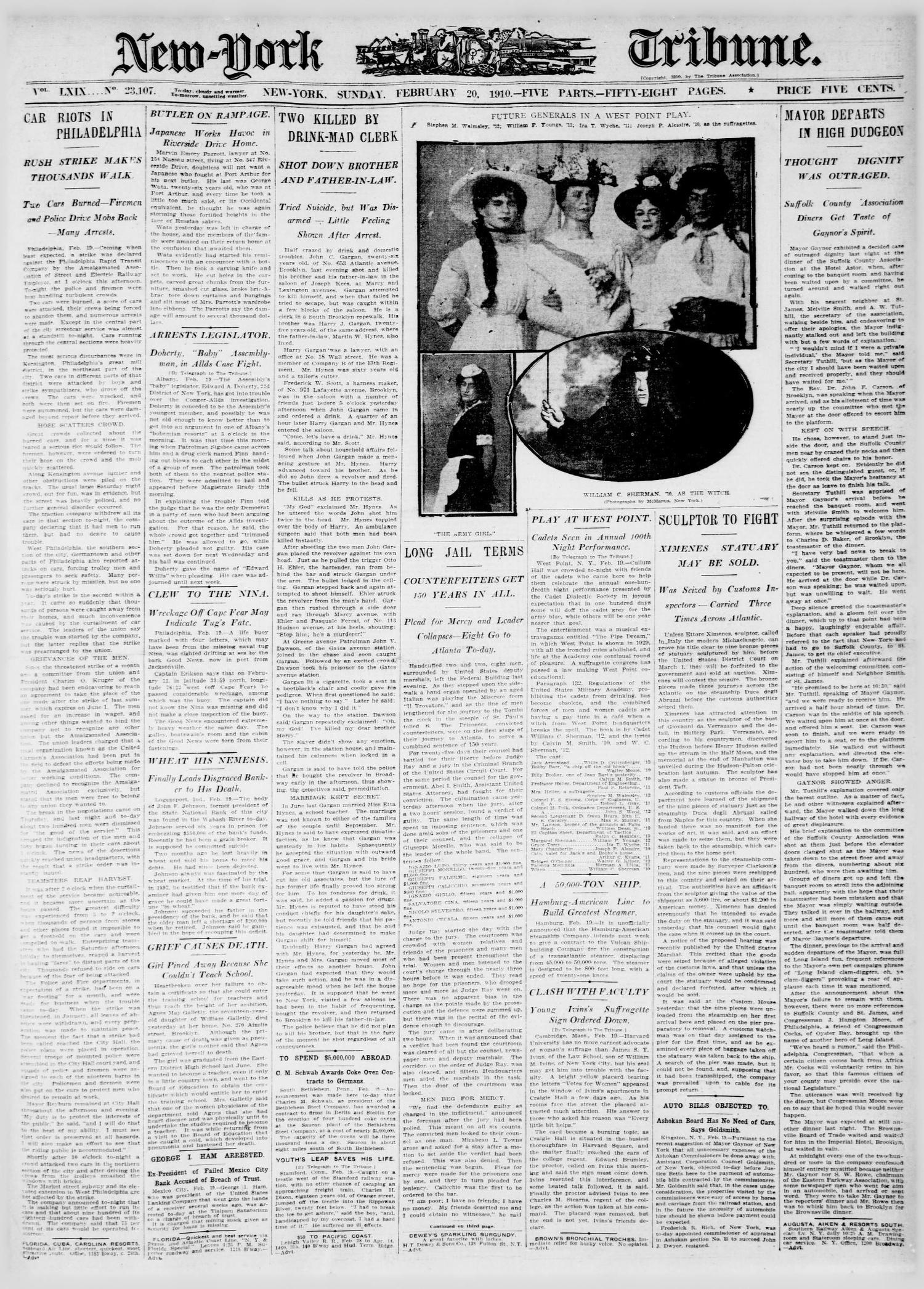
Second Circuit opinion of 19 June 1911 affirming the 1910 counterfeiting convictions of Giuseppe Calicchio, Giuseppe Morello, Ignatzio Lupo and five others. It holds a question about Morello's 1903 arrest in the 'Barrel Murder' improper but cured, and says: 'The arrest of Morelio for the murder proved nothing.'
- Date
- 1911-06-19
- Kind
- court-opinion
- Retrieved
- 2026-10-12
- Docket
- No. 263 (2d Cir.); 189 F. 305; 111 C.C.A. 37
- Rights
- Opinion of a United States court. Works of the federal judiciary are in the public domain in the United States. The text was read on CourtListener, which notes that it was obtained from a scanned document and may have typos.
United States Circuit Court of Appeals, Second Circuit, decided 19 June 1911, before Judges Coxe, Lacombe and Ward; opinion by Judge Ward. Henry A. Wise, United States Attorney, and Felix Frankfurter, Assistant United States Attorney, appeared for the government. The circuit docket is No. 263; the opinion gives no district-court case number and none is given here.
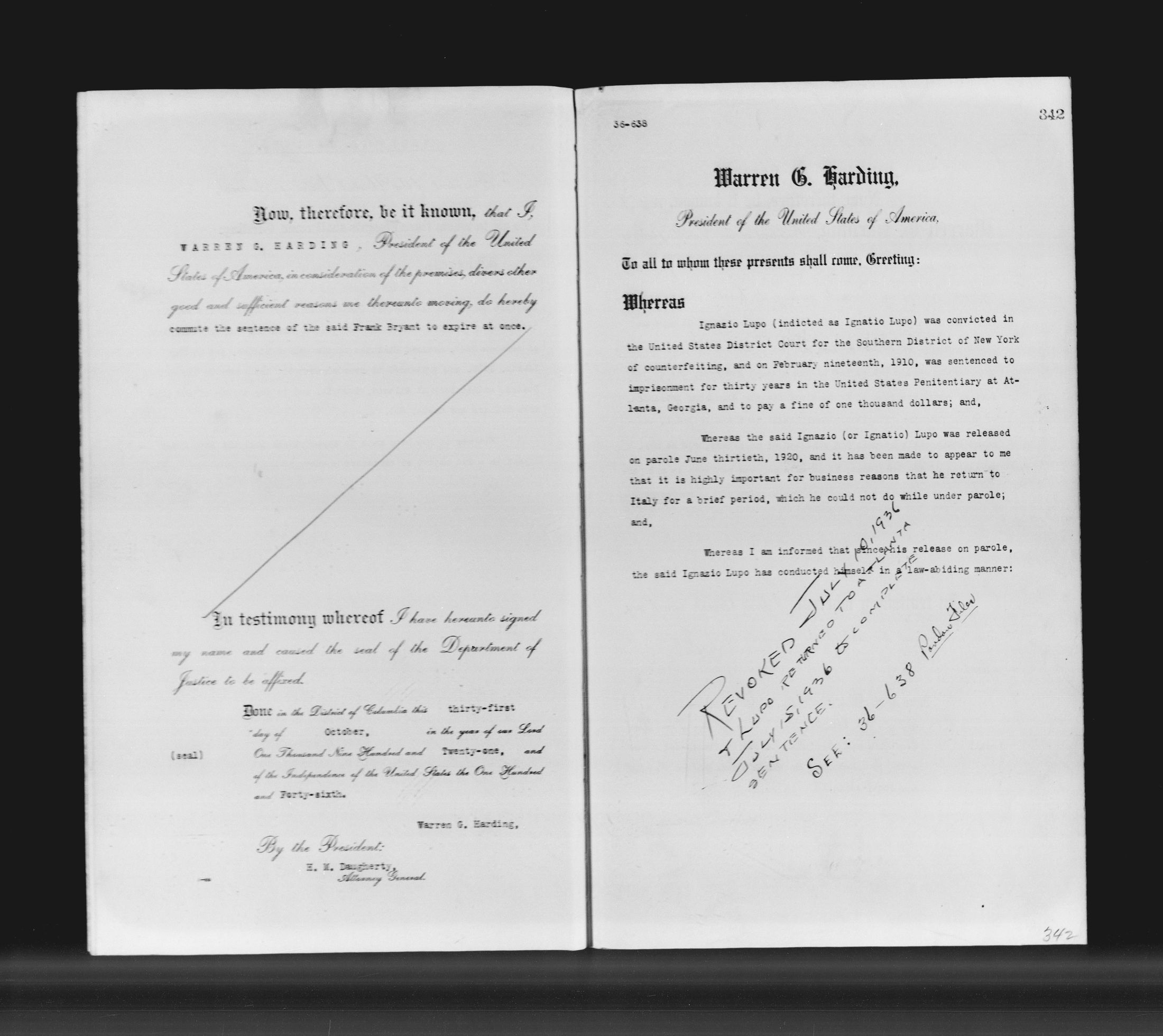
The opinion begins: “This is a writ of error to a judgment convicting Giuseppe Calicchio, Giuseppe Morello, Ignatzio Lupo, Nicholas Sylvester, Antonio Cecala, Salvatore Cina, Vincenzo Giglio and Giuseppe Palermo of making counterfeits of the $2 silver certificate of the United States and of the United States $5 bill,” in violation of Revised Statutes sections 5414, 5430 and 5431. “The trial occupied four weeks. The case of the government depended upon the testimony of [Comito], one of the counterfeiters, who turned informer, and of his mistress, Katrina, corroborated in many particulars by other witnesses and by circumstances.” (The OCR prints the informer’s name as “Confito.”) The court then works through the assignments of error, because “It is particularly urged that Lupo and Morello could not have been convicted but for the unfair atmosphere that was created by the prosecution.”
The barrel case. A defence witness was asked on cross-examination: “Do you know that Giuseppe Morello was arrested on April 18, 1903, as the principal in the murder of Bernedetto Mardonia, who was found cut up in a barrel?” Comito testified that Cecala had told him Morello was “the same man who has been implicated in the ‘Barrel Murder,’” and the trial judge told the jury to “disregard any reference to the barrel murder.” The court of appeals wrote: “The question was improper, should not have been asked, and should have been stricken out. The arrest of Morelio for the murder proved nothing. Still we think the court corrected the error by stating that the jury should disregard any reference to the barrel murder.” (The question’s date of 18 April differs from the 15 April arrest reported in 1903; the names are spelled as the OCR prints them.) This holding is the limit this archive places on the 1903 and 1910 press claims about the barrel killing.
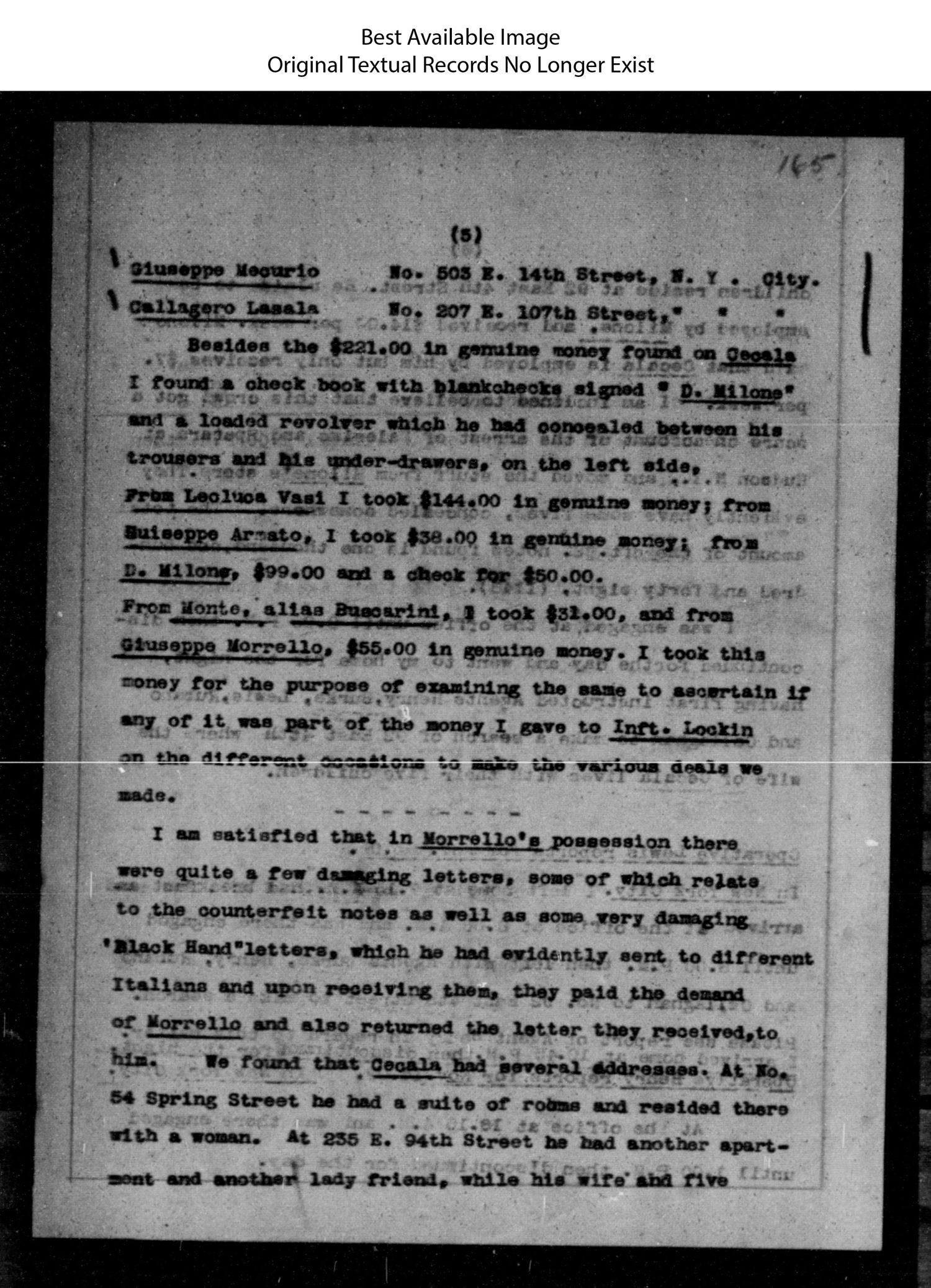
Other passages. The opinion quotes a cross-examination question about “Lieut. Petrosini of the New York police force,” treated as harmless; it is a lawyer’s question, not a finding. It records that Lupo “testified on direct that he had killed a man in Italy in self-defense,” and refers to “Special Agent Flynn.” It does not mention Black Hand letters. It concludes: “we are satisfied that no harmful error was committed which would justify a new trial. The judgment is affirmed.”