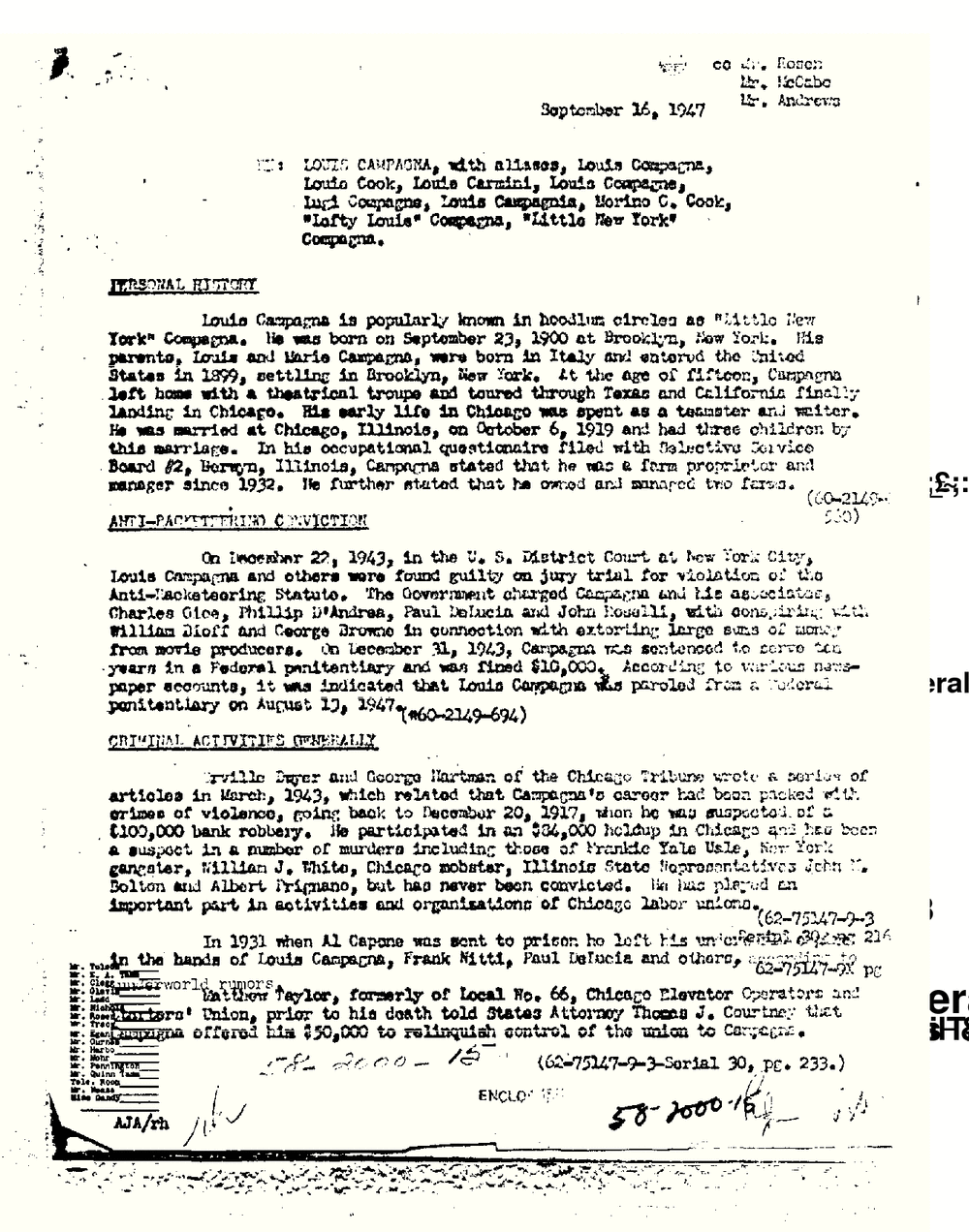
FBI memorandum of 16 September 1947 on Louis Campagna (Vault, John Roselli Part 01)
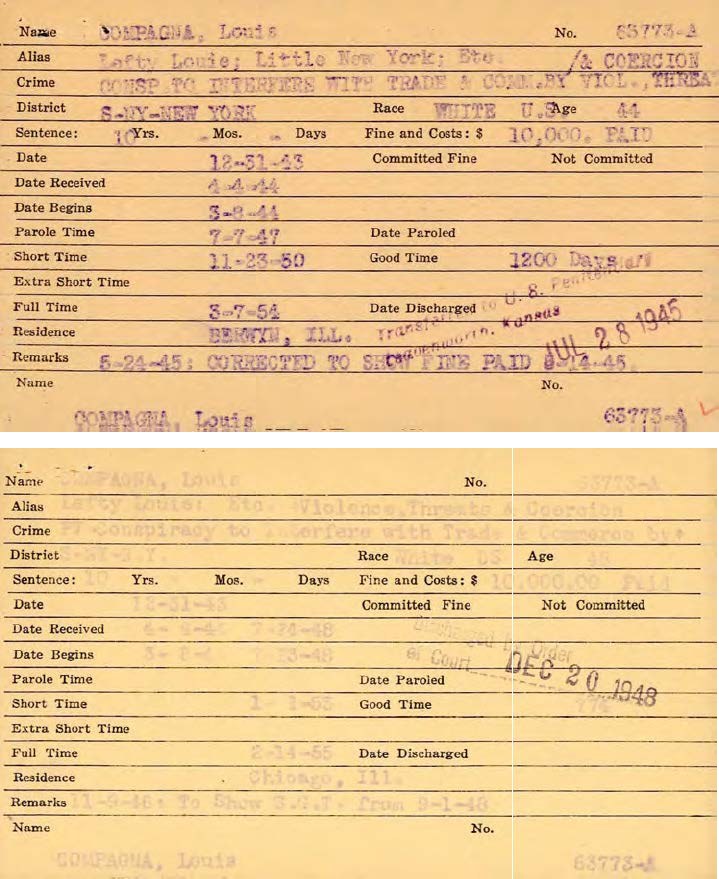
One of the personal-history memoranda the FBI prepared in September 1947, after the paroles. It lists Campagna's aliases and says he and others were found guilty in New York on 22 December 1943 of violating the Anti-Racketeering Statute, and were sentenced on 31 December 1943.
- Date
- 1947-09-16
- Kind
- case-file
- Retrieved
- 2026-10-12
- Rights
- A record of the Federal Bureau of Investigation released under FOIA. A work of the United States government, public domain under 17 U.S.C. § 105. A copy of the page image is stored here.
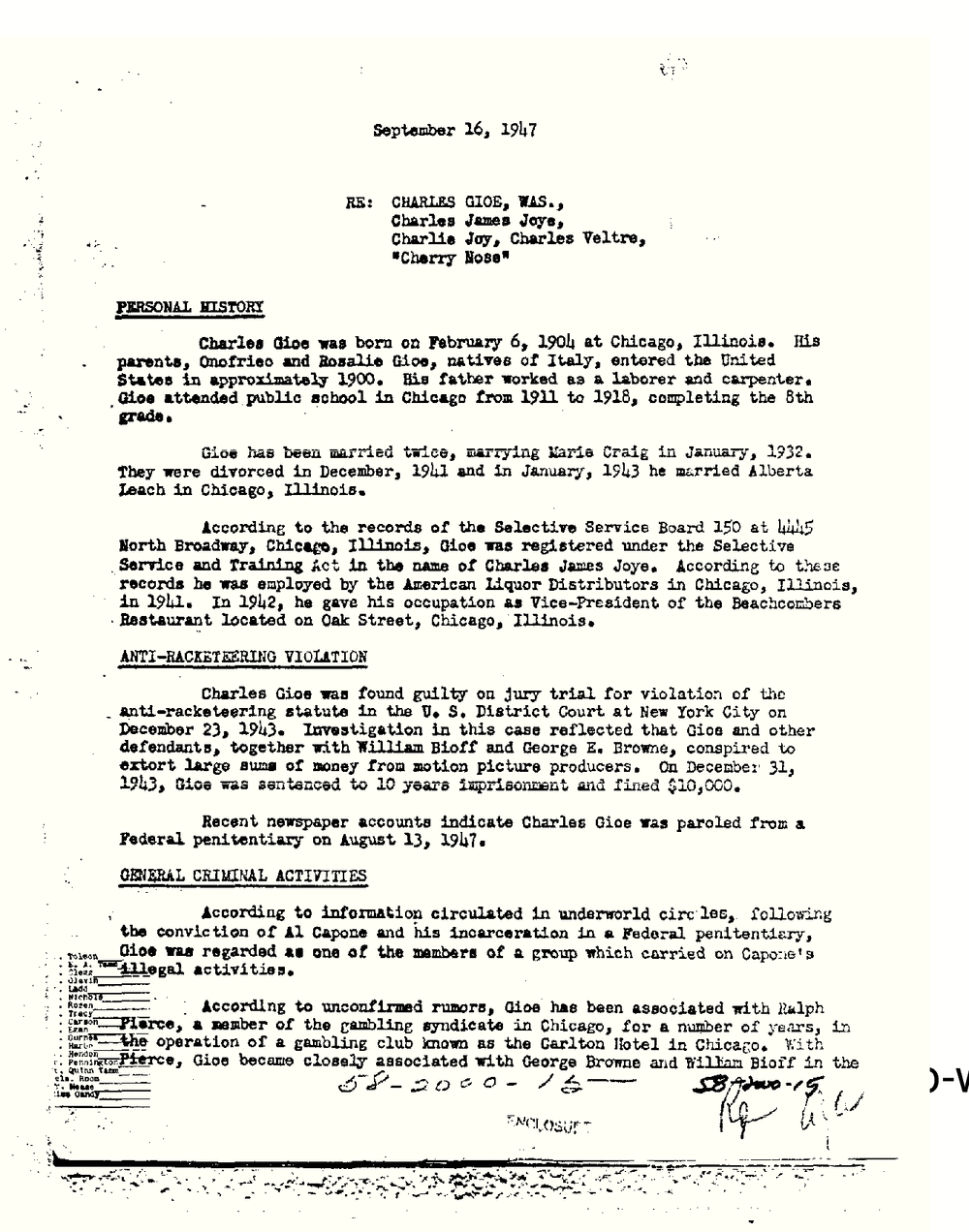
Scan 6 of Part 01 of the FBI Vault’s John Roselli file, the first page of a memorandum dated September 16, 1947. The research for this archive read pages 6 to 8 through the viewer’s OCR; the page image stored here was read directly. The file number written at the foot is 58-2000.
The heading reads: “LOUIS CAMPAGNA, with aliases, Louis Compagna, Louis Cook, Louis Carmini, Louis Compagne, Luigi Compagne, Louis Campagnia, Morino C. Cook, ‘Lefty Louie’ Compagna, ‘Little New York’ Compagna.” The personal history says he “is popularly known in hoodlum circles as ‘Little New York’ Compagna” and that “He was born on September 23, 1900 at Brooklyn, New York.” The family details on the page concern private persons and are not repeated here.
Under “Anti-Racketeering Conviction” the memorandum says that “On December 22, 1943, in the U. S. District Court at New York City, Louis Campagna and others were found guilty on jury trial for violation of the Anti-Racketeering Statute.” It says the government charged him and Charles Gioe, Phillip D’Andrea, Paul DeLucia and John Roselli with conspiring with William Bioff and George Browne “in connection with extorting large sums of money from movie producers,” and that on December 31, 1943 he was sentenced to ten years and fined $10,000. It cites “various newspaper accounts” for his parole on August 13, 1947. The day in the verdict date is slightly blurred on the scan; the companion memorandum on Gioe gives December 23, 1943 (see the Hollywood extortion case).
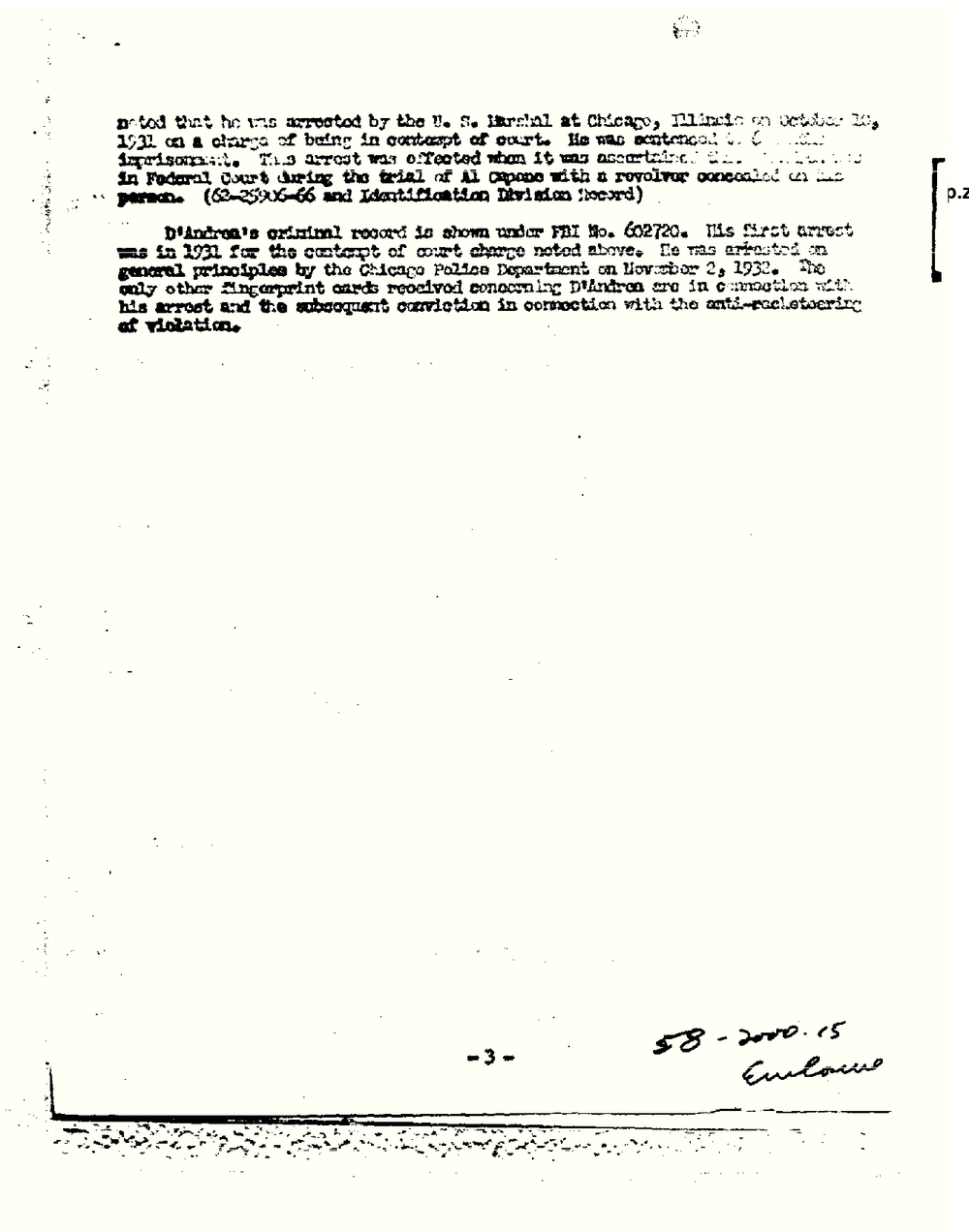
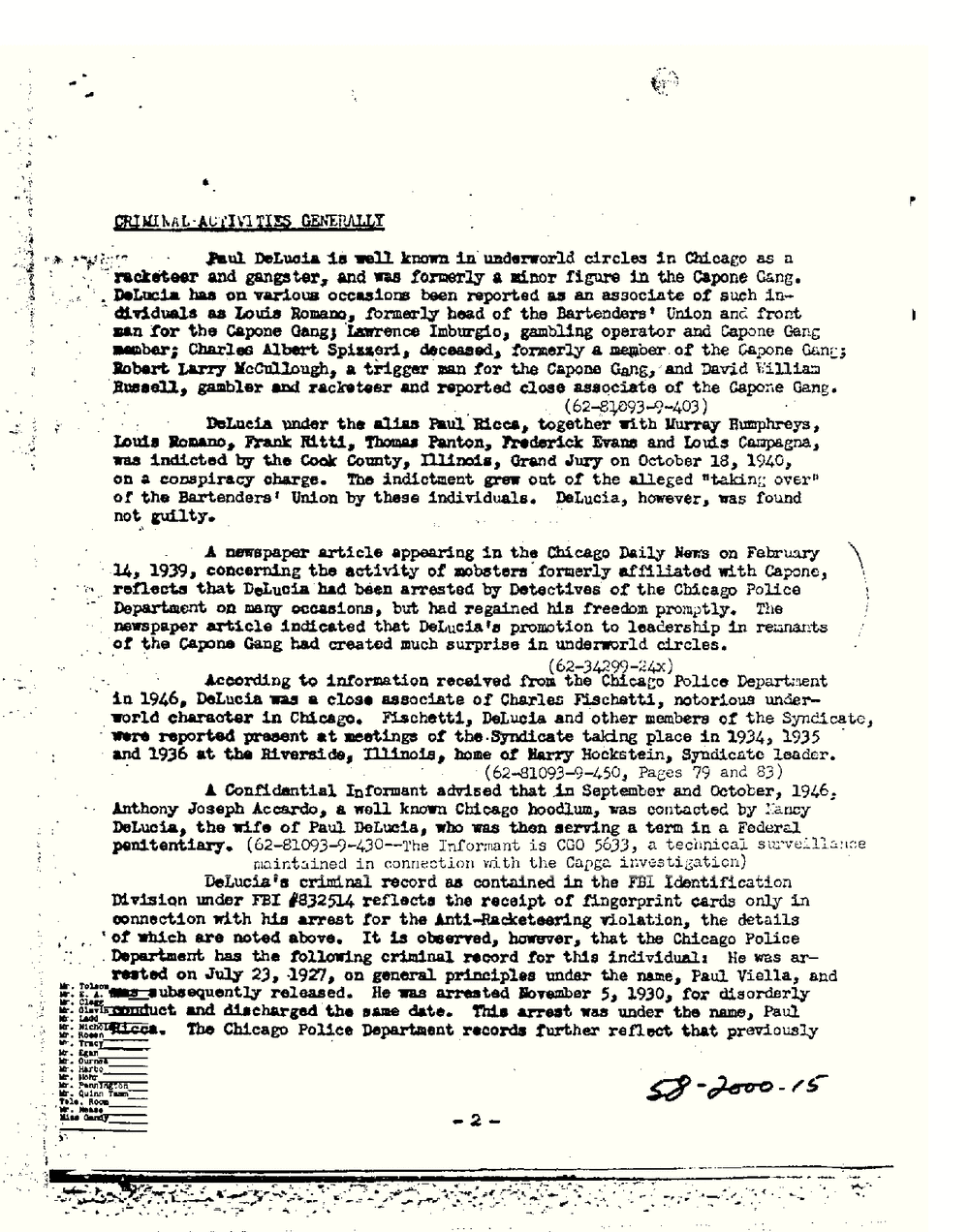
The section “Criminal Activities Generally” relays a March 1943 Chicago Tribune series and “underworld rumors” that when Capone went to prison in 1931 he left his interests “in the hands of Louis Campagna, Frank Nitti, Paul DeLucia and others.” These are the Bureau’s report of newspaper articles and rumor, not findings. The research record adds that the record section on the following pages lists a 1918 Chicago arrest, a 1919 commitment to the Pontiac reformatory, and arrests through 1940.