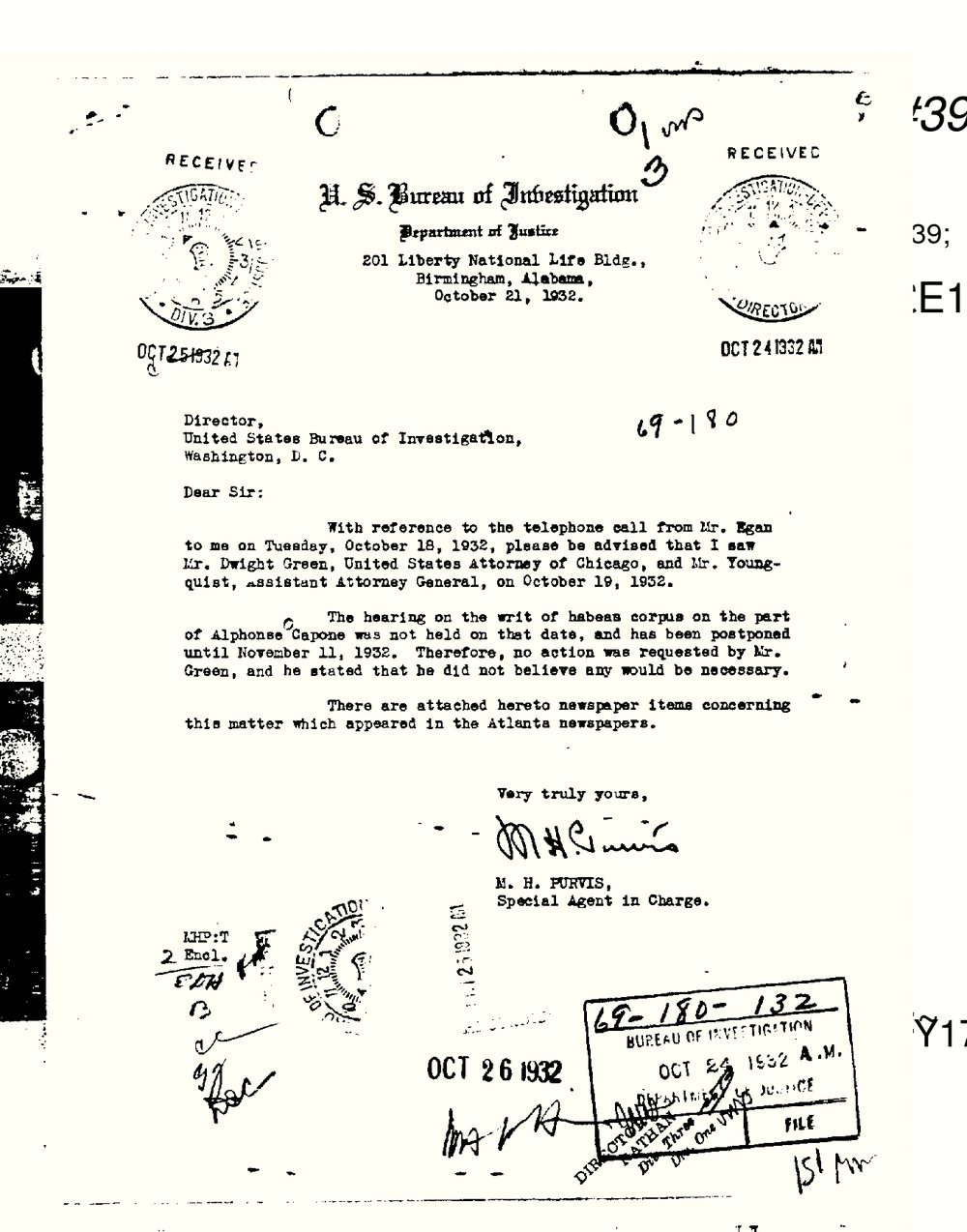
Letter of 21 October 1932 from M. H. Purvis, Special Agent in Charge at Birmingham, on the Capone habeas corpus hearing, from the FBI Vault, Part 30
Open the full imageGIF, 1000 × 1274 px, 0.1 MB

Birmingham letter on the postponed Capone habeas corpus hearing (21 October 1932)

The Bureau's Birmingham Special Agent in Charge reports that the hearing on Capone's petition for a writ of habeas corpus at Atlanta was postponed to 11 November 1932 and that the U.S. Attorney at Chicago asked for no Bureau action.

Date
1932-10-21
Kind
case-file
Retrieved
2026-10-12
Rights
A record of the Federal Bureau of Investigation released under FOIA. A work of the United States government, public domain under 17 U.S.C. § 105. Newspaper text reproduced inside the file is described, not reproduced.

Part 30 of the FBI Vault’s Capone file, scan 71, with the enclosed newspaper items on scans 72 to 74. A one-page letter on U.S. Bureau of Investigation letterhead, 201 Liberty National Life Building, Birmingham, Alabama, dated October 21, 1932, from M. H. Purvis, Special Agent in Charge, to the Director. It is stamped 69-180-132.

Purvis writes that, following a telephone call from Mr. Egan on Tuesday, October 18, 1932, he saw Dwight Green, United States Attorney at Chicago, and Mr. Youngquist, Assistant Attorney General, on October 19, 1932. “The hearing on the writ of habeas corpus on the part of Alphonse Capone was not held on that date, and has been postponed until November 11, 1932. Therefore, no action was requested by Mr. Green, and he stated that he did not believe any would be necessary.” He attaches items from the Atlanta newspapers.

The research index for Part 30 describes the enclosures as Atlanta Georgian and Atlanta Constitution items reporting that Federal Judge Underwood had postponed the hearing and that Capone’s new attorneys relied on the contention that the statute of limitations in income-tax cases is three years. Those articles are described here, not reproduced. Capone was then held at the U.S. Penitentiary at Atlanta on the 1931 tax conviction. The letter text was read from the page image stored here.
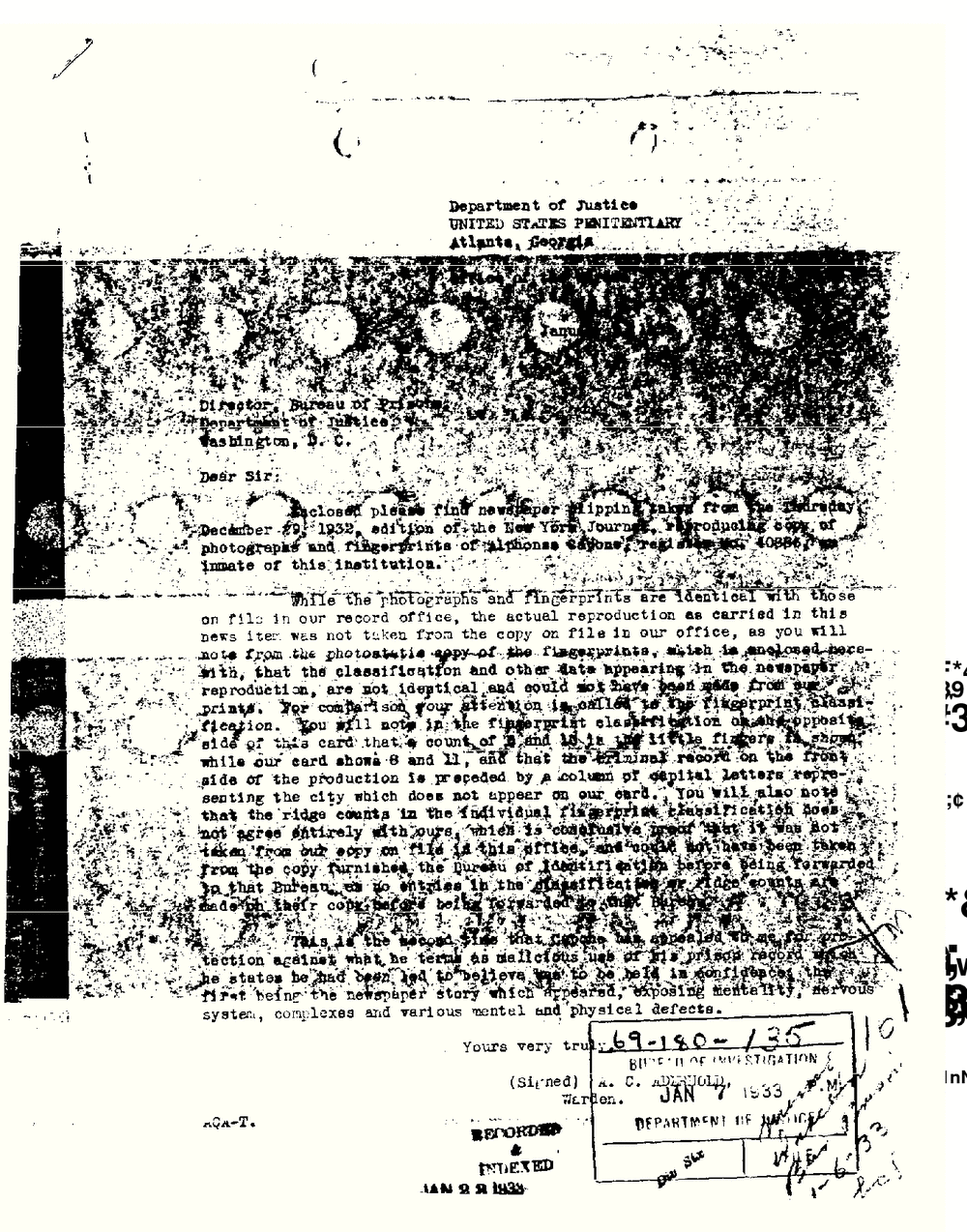
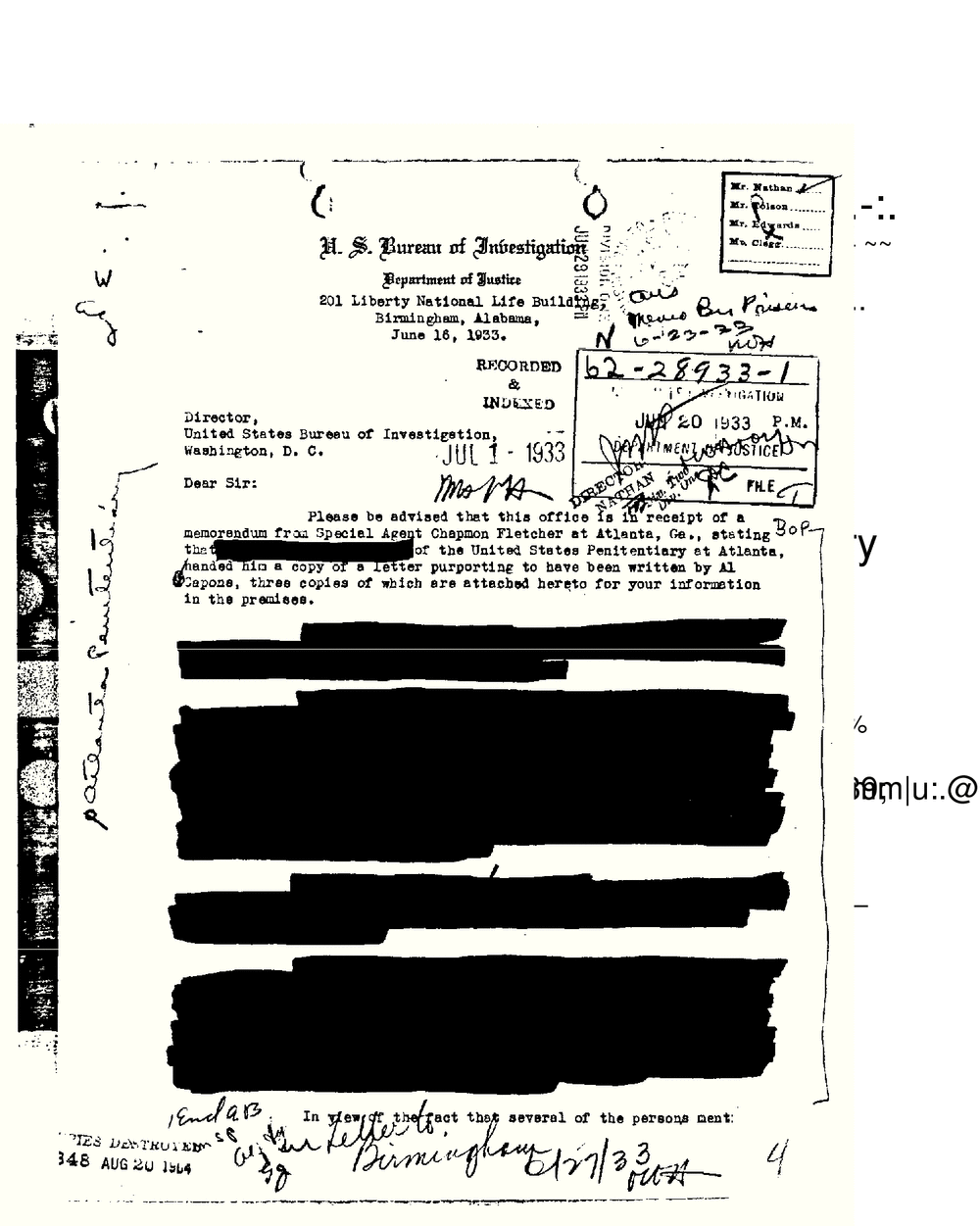
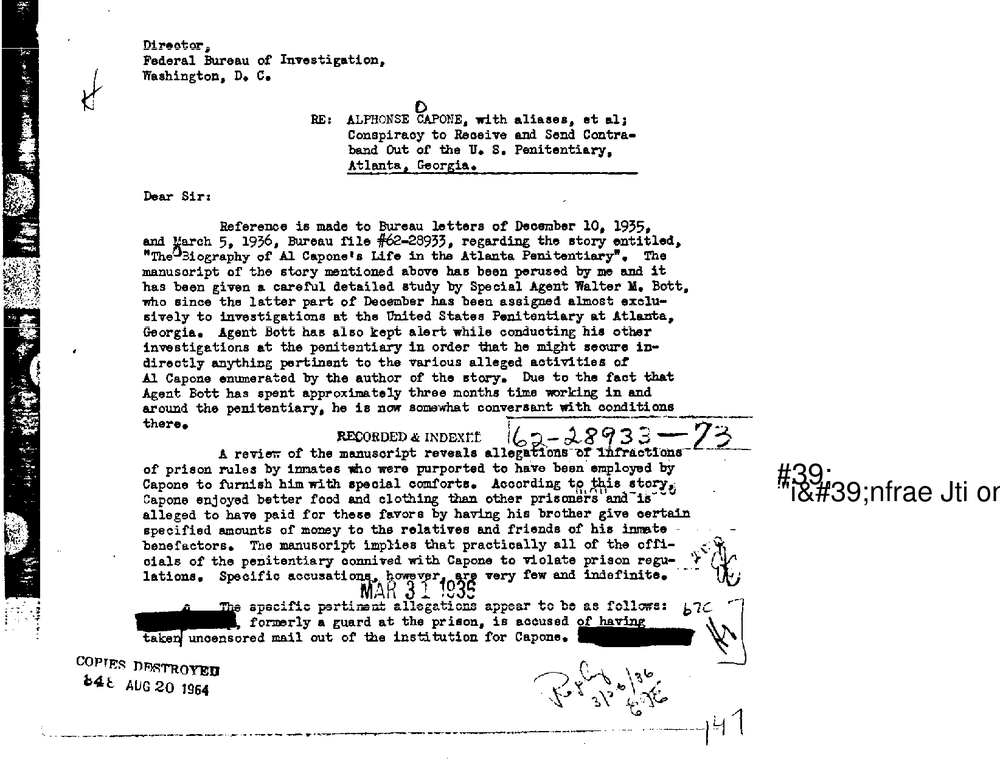
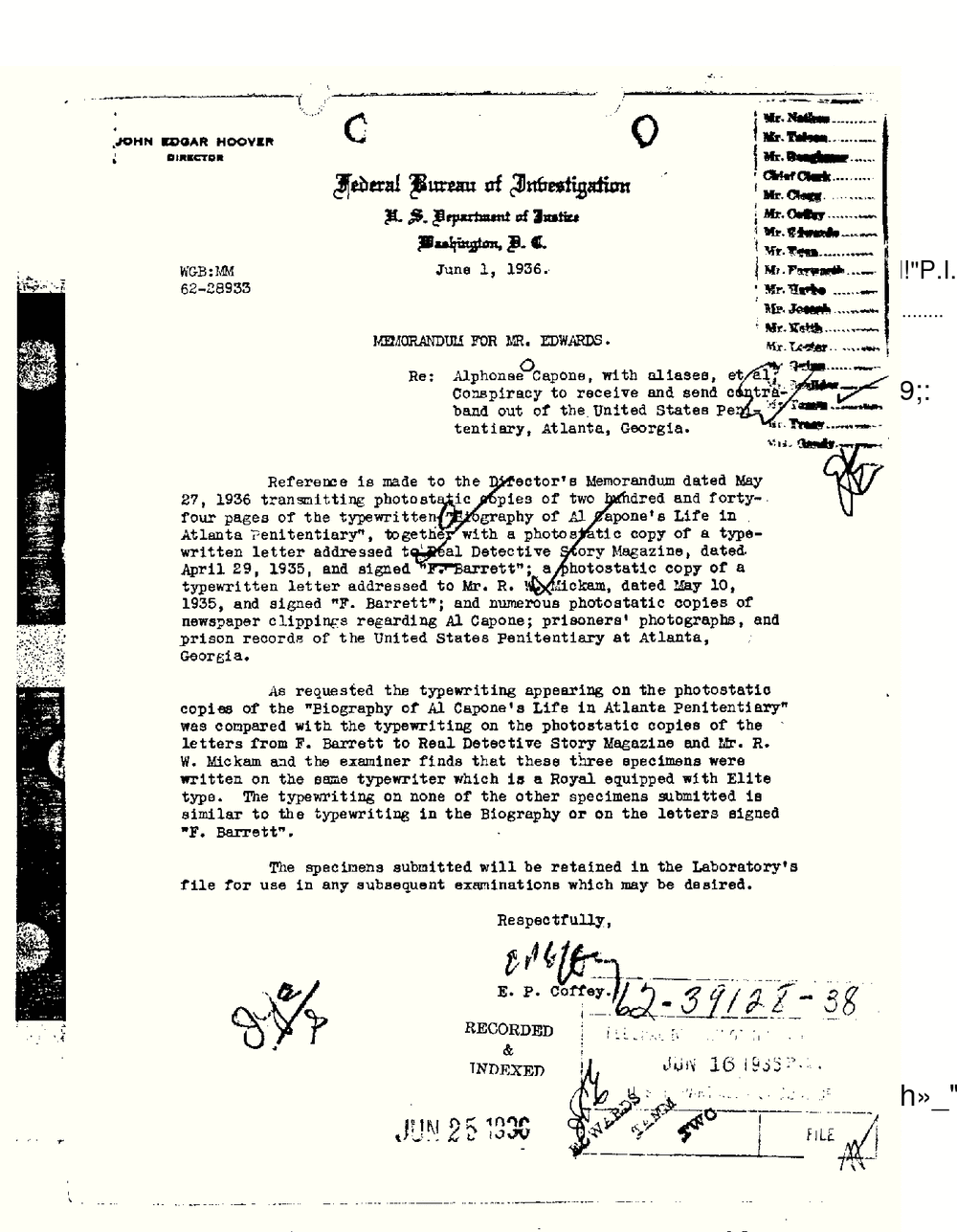
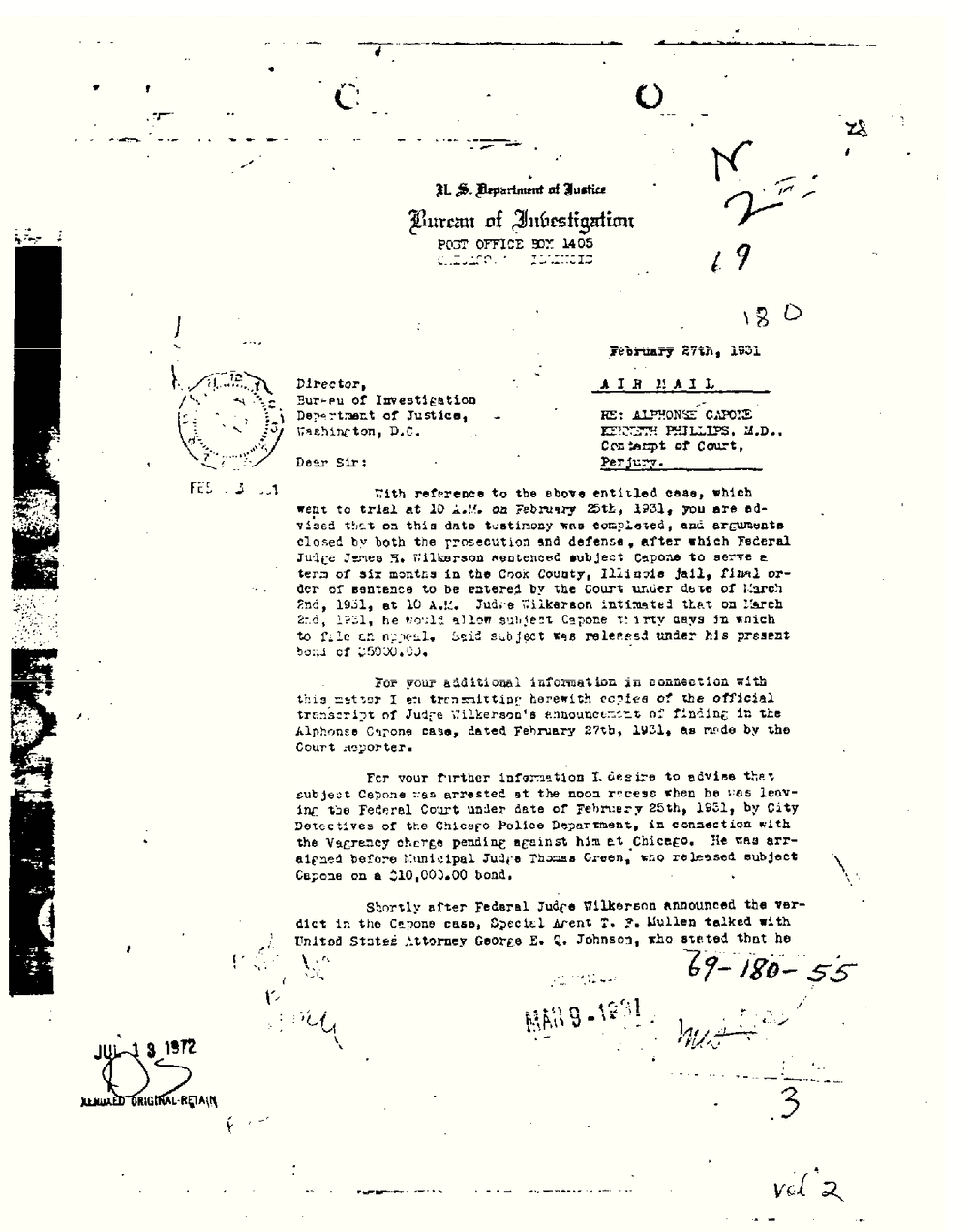
itemFBI Vault file on Alphonse CaponeThe FBI Vault's release of the Bureau file on Alphonse Gabriel Capone, in 36 parts, with the Bureau's own summary of the investigation.itemWarden Aderhold's letter on a newspaper reproduction of Capone's fingerprints (January 1933)The warden of the Atlanta penitentiary tells the Bureau of Prisons that a New York Journal reproduction of Capone's photographs and fingerprints did not come from the prison's copy, and that Capone had asked him for protection against the use of his prison record.itemBirmingham letter opening the Atlanta contraband inquiry (16 June 1933)The first serial of Bufile 62-28933: the Bureau's Birmingham office forwards copies of a letter said to have been written by Capone in the Atlanta penitentiary and asks for instructions, opening the 1933–36 contraband inquiry.itemBirmingham report on the manuscript 'The Biography of Al Capone's Life in the Atlanta Penitentiary' (March 1936)After about three months' work at the Atlanta penitentiary, a Bureau agent reviewed a typed manuscript about Capone's prison life and found its specific accusations few and indefinite; the Birmingham office saw nothing in it to advance the contraband case.itemFBI Laboratory memorandum matching the Capone 'Biography' typescript to the 'F. Barrett' letters (1 June 1936)The FBI Laboratory finds that the 244-page typed 'Biography of Al Capone's Life in Atlanta Penitentiary' and two 1935 letters signed 'F. Barrett' offering it to a magazine were typed on the same Royal typewriter with Elite type.itemChicago letter: Capone sentenced to six months for contempt (27 February 1931)The Bureau's Chicago office reports to the Director that Judge James H. Wilkerson sentenced Capone to six months in the Cook County jail for contempt of court on 27 February 1931, and that Chicago police had arrested him on a vagrancy charge two days earlier.