Frank Milano
Brother of Anthony Milano; the restaurant where Joe Porrello was shot in 1930 was his, by Associated Press accounts, and Cleveland's public safety director told the Kefauver Committee in 1951 that he had been living in Mexico for years.
- Rights
- Biography on this page is limited to what the cited federal records and the filed newspaper pages state.
On the record
- 1911/1912 — Kefauver Committee (1951): Anthony Milano testified that he and his brother Frank were arrested together in a counterfeiting case, "We was pinched together but he was acquitted."
- 1930-07-05 — Brownsville Herald (AP): Joe Porrello was shot "while near the door in the restaurant of Frank Milano." The report says nothing about Milano's part, if any.
- 1951-01 — Kefauver Committee: Safety Director Alvin Sutton said "Frank Milano is living in Mexico, and he has been living there for the last five or six or more years," and, asked about an income-tax problem, "As I recall it, yes. He fled to Mexico." Anthony Milano said, "He is in Mexico."
- 1951-02-19 — Kefauver Committee: Alfred Polizzi acknowledged business dealings with Frank Milano.
- 1988-04-15 — Angelo Lonardo, Senate testimony: "the Jewish Boys" later gave "Al Polizzi, John King, and Frank Milano a 'piece' of the Desert Inn in exchange for the Cleveland family's protection." Testimony.
No family or role is set; no record filed here states one. Sutton’s statements are a city official’s testimony, and Lonardo’s are his own. No filed record gives his birth date or death.
Records
itemKefauver Committee, Cleveland: testimony of Public Safety Director Alvin G. Sutton (January 1951)Cleveland's Director of Public Safety, Alvin G. Sutton, gave the committee his account of the city's Prohibition bootleggers, naming Morris Kleinman, Lou Rothkopf, Moe Dalitz, Sam Tucker and Maxie Diamond, their move into gambling in Kentucky and Las Vegas, and the later numbers rackets.itemKefauver Committee, Cleveland: testimony of Anthony Milano (19 January 1951)Anthony Milano told the committee that his brother Frank Milano was living in Mexico, that he had served about fifty-four months at Leavenworth on a counterfeiting conviction of 1911-1912, and that he ran the Brotherhood Loan Co. and the Mayfield Importing Co.; asked about the Mafia he said, 'I don't know what Mafia mean.'itemKefauver Committee: testimony of Alfred Polizzi (January and February 1951)Alfred Polizzi of Coral Gables, Florida, told the committee he ran a construction firm and had left Cleveland in 1945, declined to testify about earlier years, and denied the accusations that he belonged to the Mafia or the 'Mayfield Road gang'.itemSenate subcommittee hearing, 1988: testimony of Angelo LonardoOn 15 April 1988 Angelo Lonardo, testifying behind a screen under a court immunity order, told the Senate Permanent Subcommittee on Investigations that he was 'the former underboss of the Cleveland organized crime family' and described its leaders, its Las Vegas casino income and its dealings with New York and Chicago.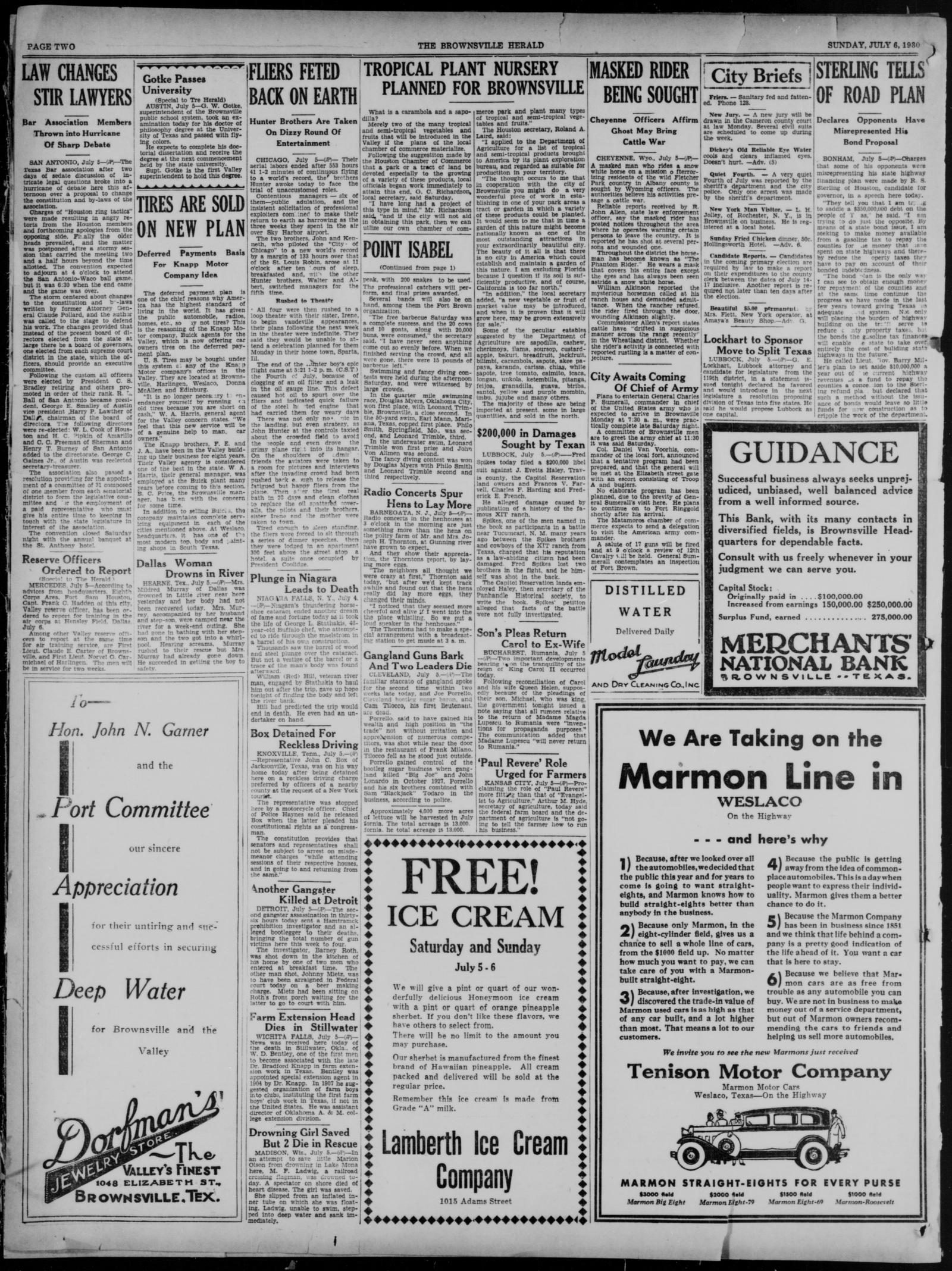 clippingBrownsville Herald, 6 July 1930, page 2: Gangland guns bark and two leaders dieAn Associated Press report from Cleveland: Joe Porrello, 'Cleveland bootleg sugar baron', and his first lieutenant were shot dead, Porrello near the door of the restaurant of Frank Milano.
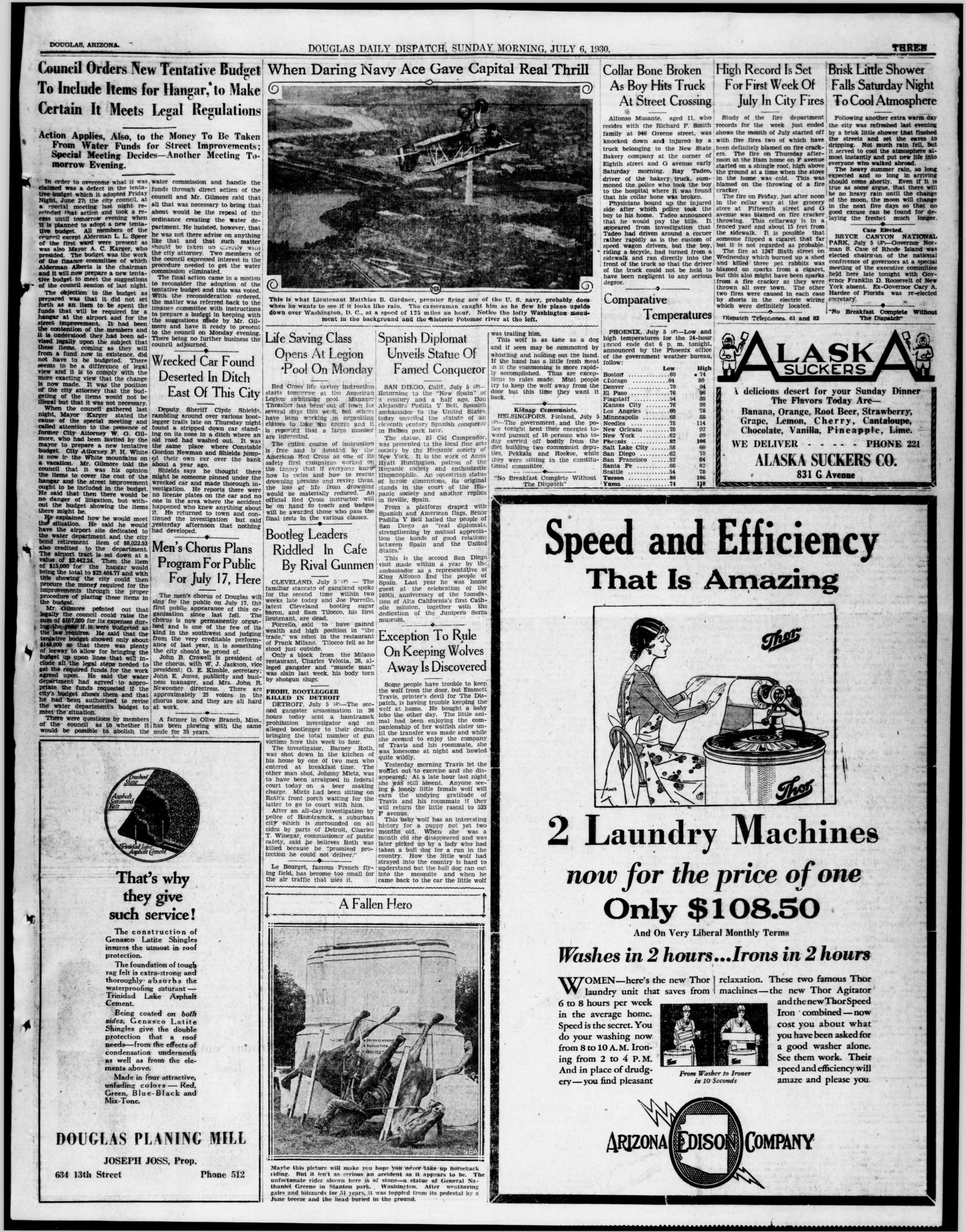 clippingDouglas Daily Dispatch, 6 July 1930, page 3: Bootleg leaders riddled in cafe by rival gunmenThe Associated Press version of the 5 July 1930 Cleveland shootings: Joe Porrello, 'latest Cleveland bootleg sugar baron', was shot in the restaurant of Frank Milano and his first lieutenant just outside.
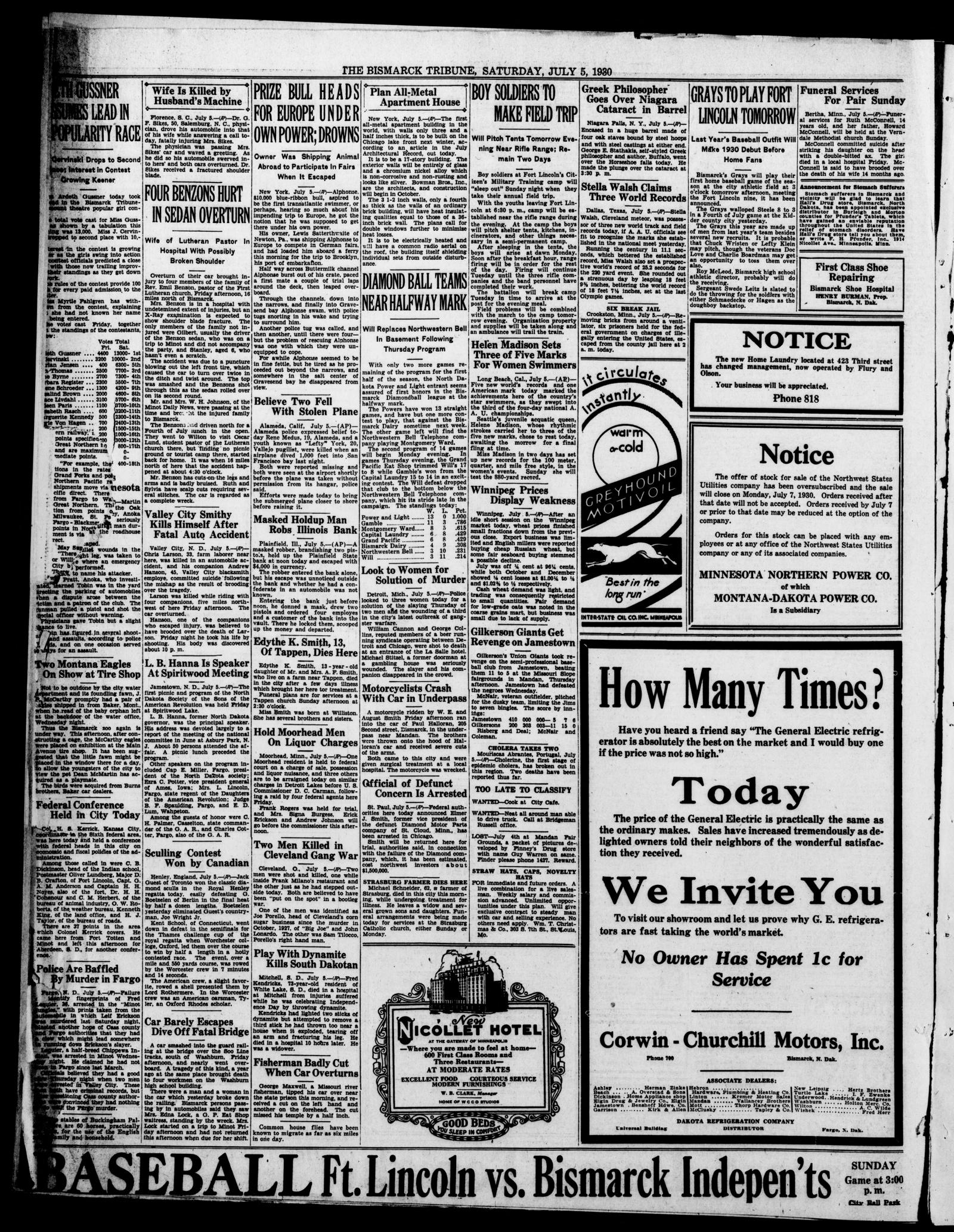 clippingBismarck Tribune, 5 July 1930, page 6: Two men killed in Cleveland gang warAn Associated Press item: two men were shot dead, one inside Frank Milano's restaurant and the other just outside; it names them as Joe Porello, head of Cleveland's corn sugar business since the 1927 Lonardo killings, and Sam Tilocco.
clippingBrownsville Herald, 6 July 1930, page 2: Gangland guns bark and two leaders dieAn Associated Press report from Cleveland: Joe Porrello, 'Cleveland bootleg sugar baron', and his first lieutenant were shot dead, Porrello near the door of the restaurant of Frank Milano.clippingDouglas Daily Dispatch, 6 July 1930, page 3: Bootleg leaders riddled in cafe by rival gunmenThe Associated Press version of the 5 July 1930 Cleveland shootings: Joe Porrello, 'latest Cleveland bootleg sugar baron', was shot in the restaurant of Frank Milano and his first lieutenant just outside.clippingBismarck Tribune, 5 July 1930, page 6: Two men killed in Cleveland gang warAn Associated Press item: two men were shot dead, one inside Frank Milano's restaurant and the other just outside; it names them as Joe Porello, head of Cleveland's corn sugar business since the 1927 Lonardo killings, and Sam Tilocco.