Joseph Lonardo
Killed with his brother John in a Cleveland barber shop in October 1927; wire reports of the time call the brothers sugar dealers or commission merchants, later reports call him 'Big Joe' Lonardo, and his son Angelo testified in 1988 that he had been 'the former boss of the Cleveland family'.
- Died
- 1927
- Aliases
- "Big Joe" Lonardo (wire reports, 1928-1930)
- Role
- "the former boss of the Cleveland family" (testimony of his son Angelo Lonardo, 1988)
- Rights
- Biography on this page is limited to what the cited federal records and the filed newspaper pages state.
On the record
- 1927-10-13 — Washington Times (INS), 14 October 1927: police sought the gunmen in the murder "last night" of Joseph and John Lonardo, brothers, in a barber shop; they were sugar dealers who, detectives said, supplied bootleggers with sugar. Another wire version that day calls them "commission merchants, supposedly well-to-do."
- 1928-09-14 — Bismarck Tribune (NEA series): thirteen underworld figures had been murdered in Cleveland since January 1927, "including Big Joe and John Lonardo and Lawrence Lupo." The description is the feature writer's.
- 1929-11-14 — Indianapolis Times (UP): Mrs. Concietta Lonardo, "widow of the murdered 'Big Joe' Lonardo, once bootleg sugar king of Cleveland," was acquitted of murdering Salvatore (Black Jack) Todaro.
- 1930-07-05 — Brownsville Herald (AP): Joe Porrello "gained control of the bootleg sugar business when gangland killed 'Big Joe' and John Lonardo in October 1927," according to police.
- 1988-04-15 — Angelo Lonardo's prepared statement to the Senate subcommittee: "My father, Joseph Lonardo, was the former boss of the Cleveland family." In his oral testimony: "my father was murdered by Salvatore Todaro in 1927."
The role line quotes his son’s sworn statement sixty years later; it is testimony, labelled as such. The wire reports’ “sugar king” and “baron” are press descriptions and set no role. The 1927 dispatches do not themselves say that the Joseph Lonardo killed in 1927 was Angelo’s father; that link rests on Angelo’s testimony and on the 1929 report that called Angelo the eldest son of “Big Joe.” The death year is from the October 1927 dispatches; they differ on whether the shooting was the night before or the same day.
Records
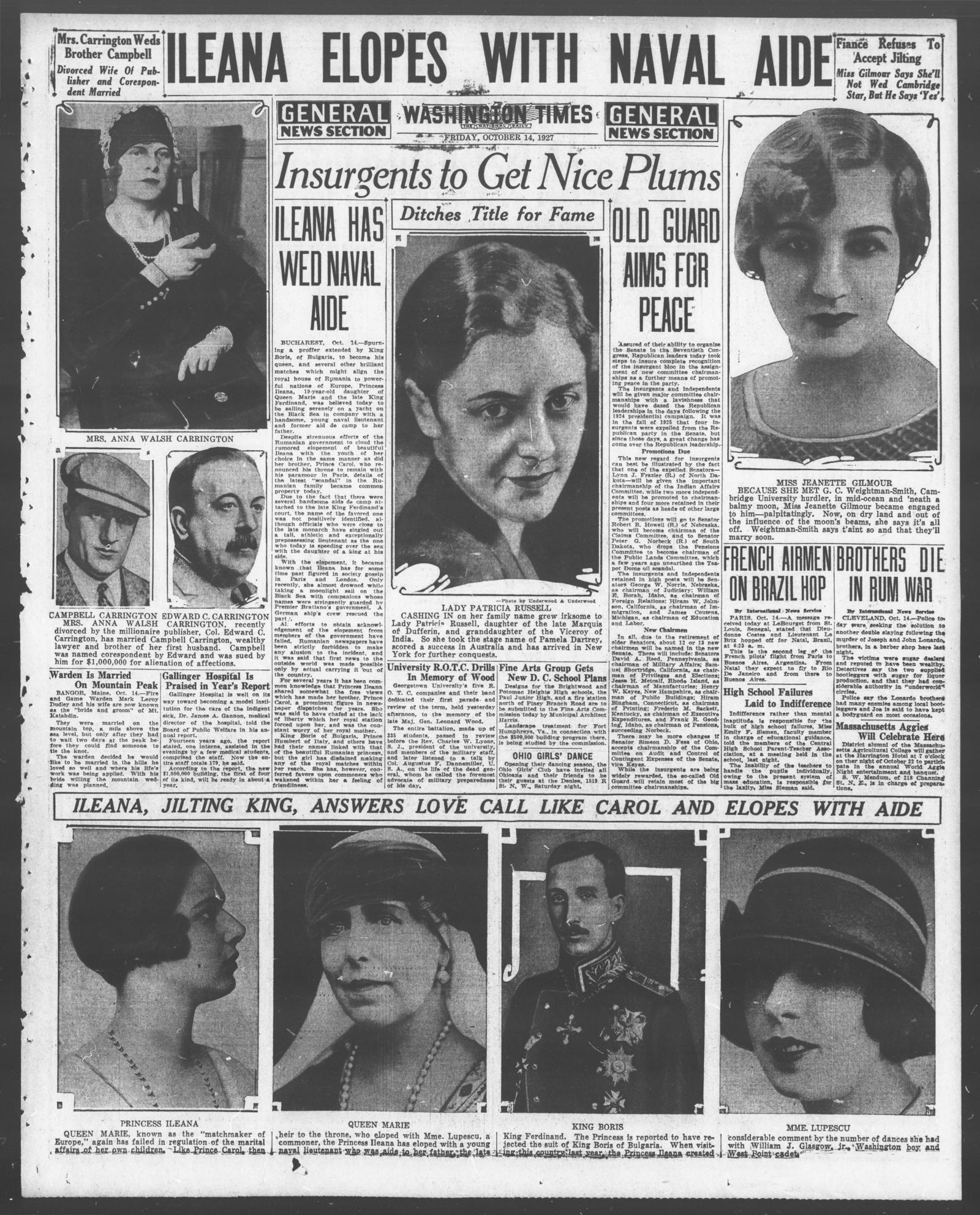 clippingWashington Times, 14 October 1927, page 3: Brothers die in rum warAn International News Service dispatch from Cleveland: the brothers Joseph and John Lonardo, described as sugar dealers who supplied bootleggers, were killed in a barber shop the night before.
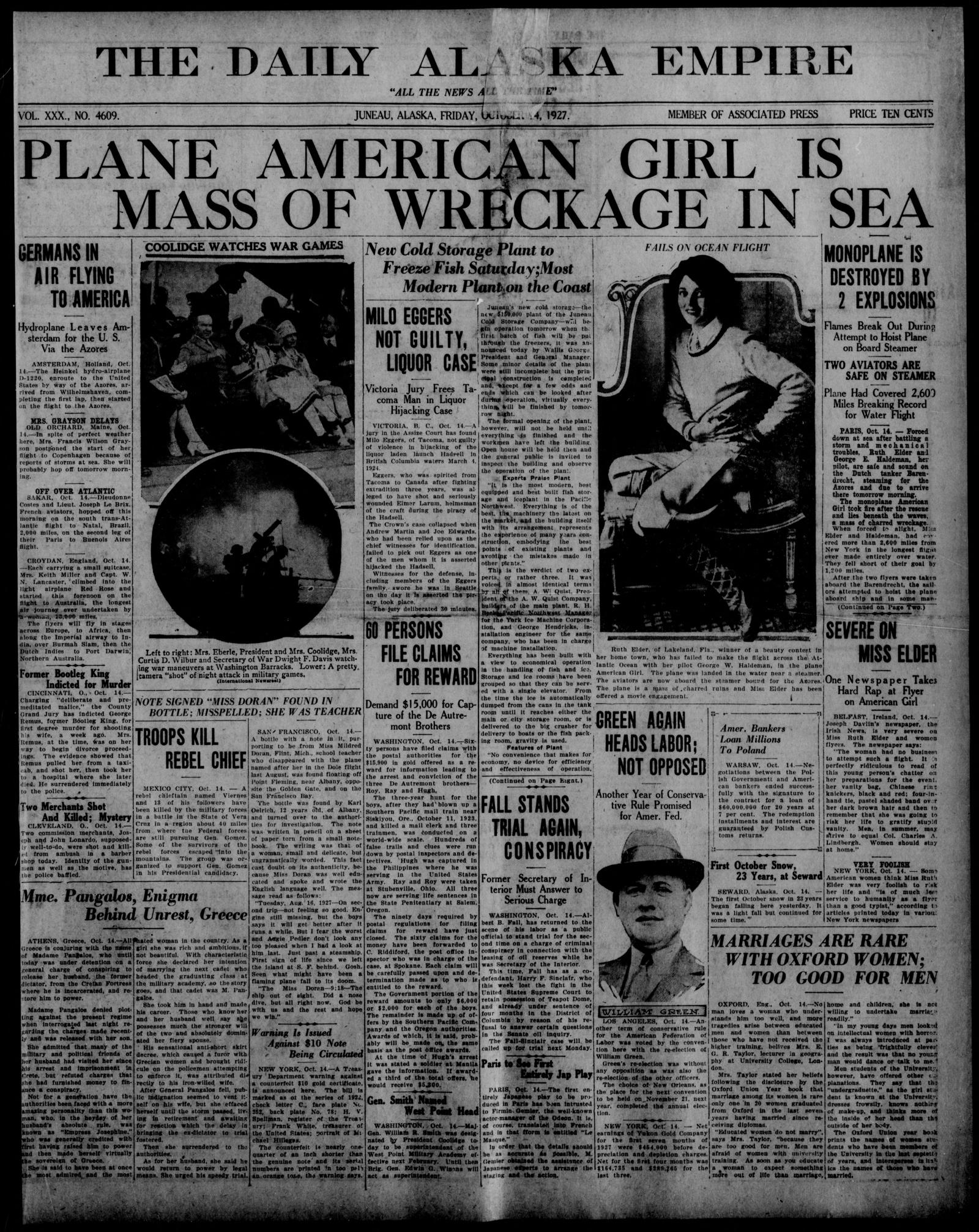 clippingDaily Alaska Empire, 14 October 1927, page 1: Two merchants shot and killed; mysteryA brief wire item from Cleveland: Joseph and John Lonardo, 'commission merchants, supposedly well-to-do', were shot and killed from ambush in a barber shop; the gunmen and the motive were unknown to police.
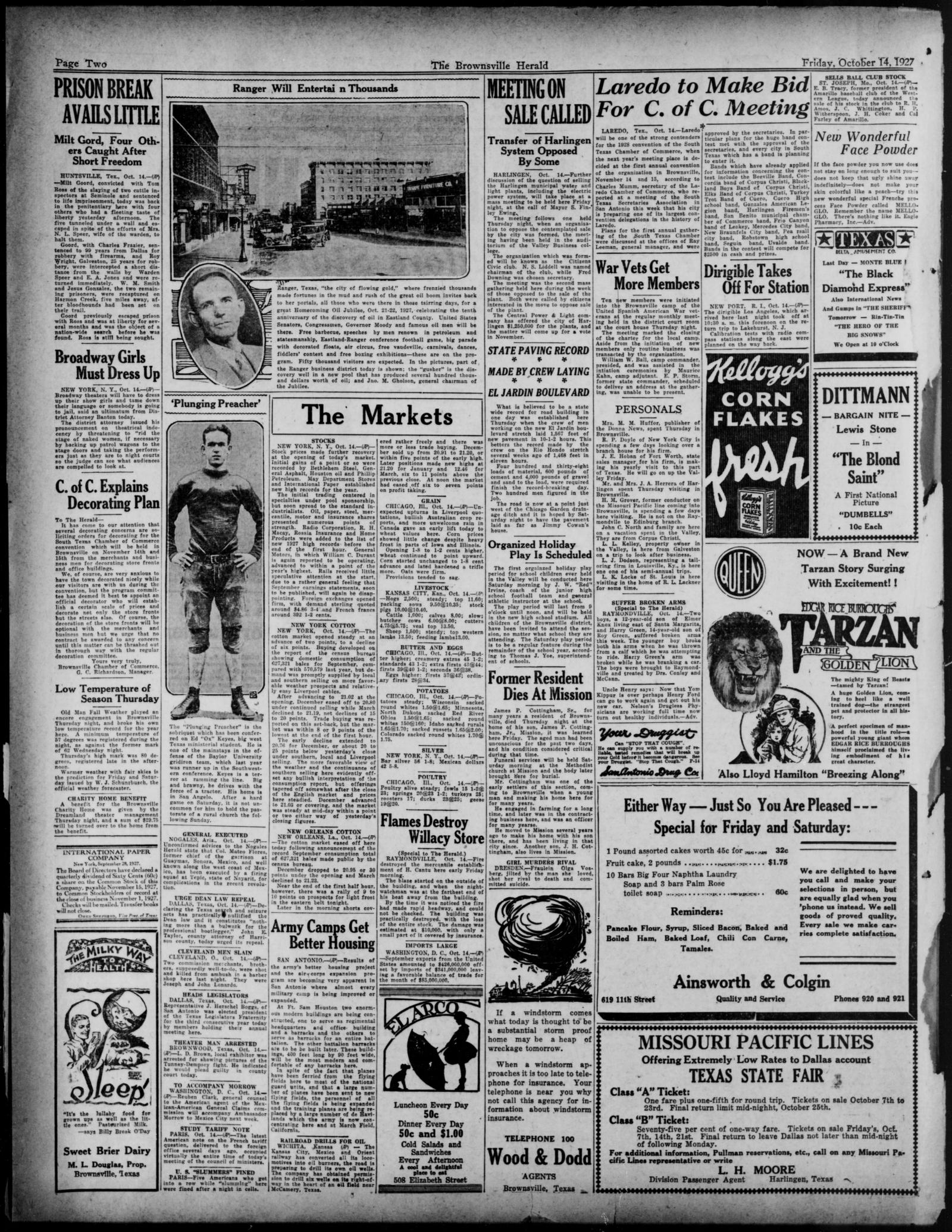 clippingBrownsville Herald, 14 October 1927, page 2: Cleveland men slainA short wire item: the brothers Joseph and John Lonardo, commission merchants 'supposedly well-to-do', were shot and killed from ambush in a Cleveland barber shop the night before.
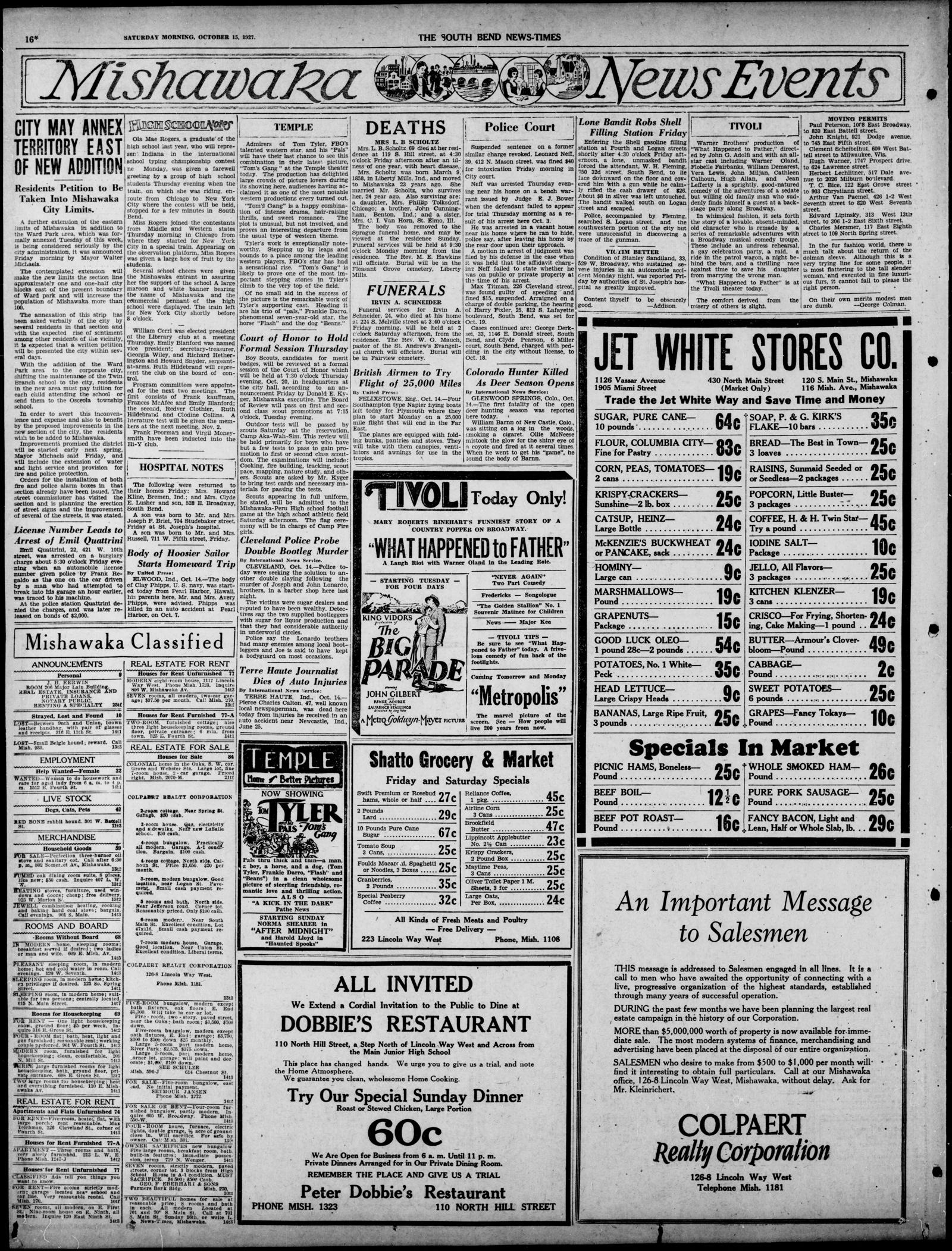 clippingSouth Bend News-Times, 15 October 1927, Mishawaka section page 16: Cleveland police probe double bootleg murderAn International News Service item of 14 October repeating that the brothers Joseph and John Lonardo, described as sugar dealers who supplied bootleggers, were killed in a Cleveland barber shop, and that Joe 'is said to have kept a bodyguard'.
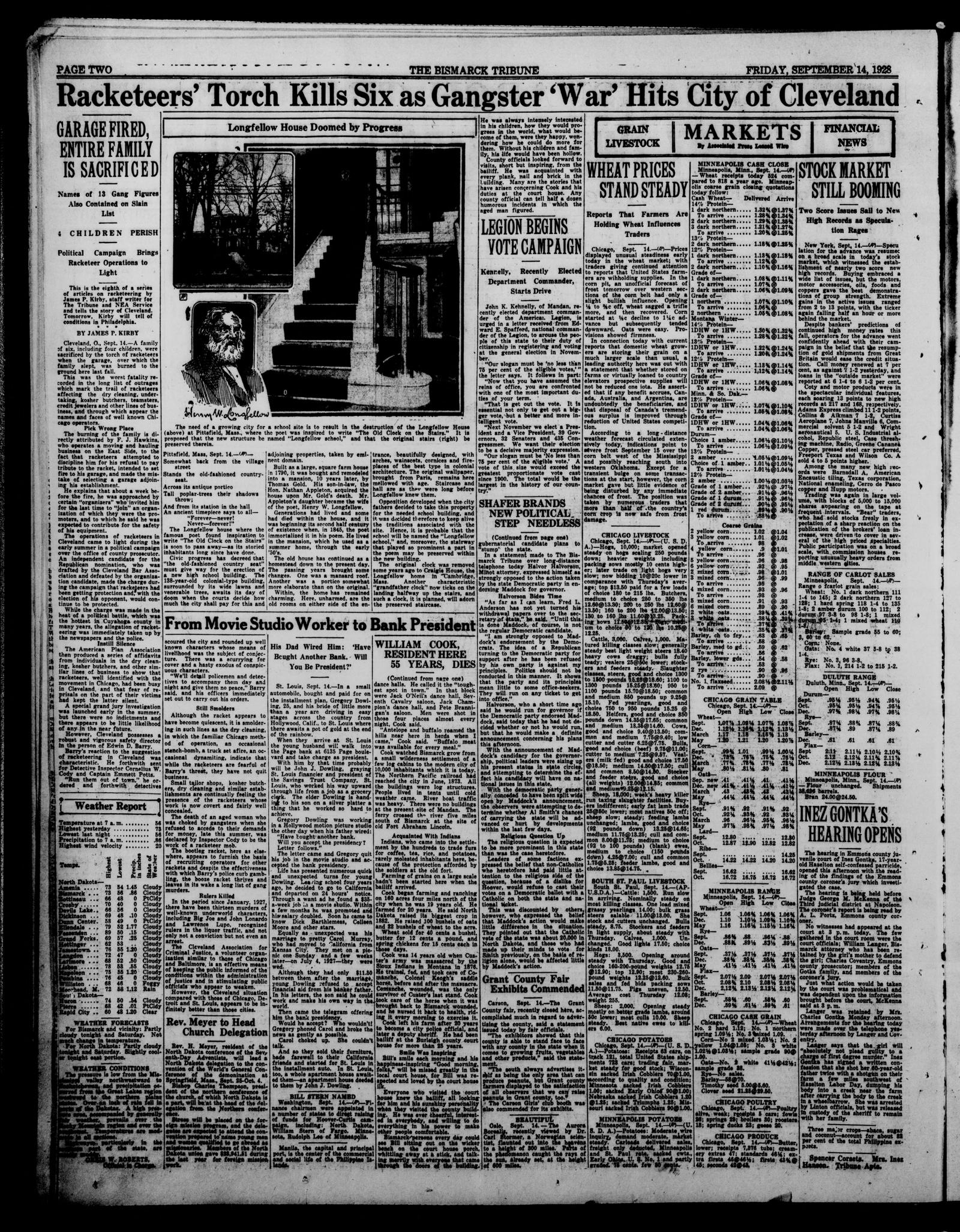 clippingBismarck Tribune, 14 September 1928, page 2: Racketeers' torch kills six as gangster 'war' hits City of ClevelandThe eighth article in James P. Kirby's syndicated series on racketeering, about Cleveland: it says that since January 1927 thirteen well-known underworld figures had been murdered, 'including Big Joe and John Lonardo and Lawrence Lupo', with no conviction.
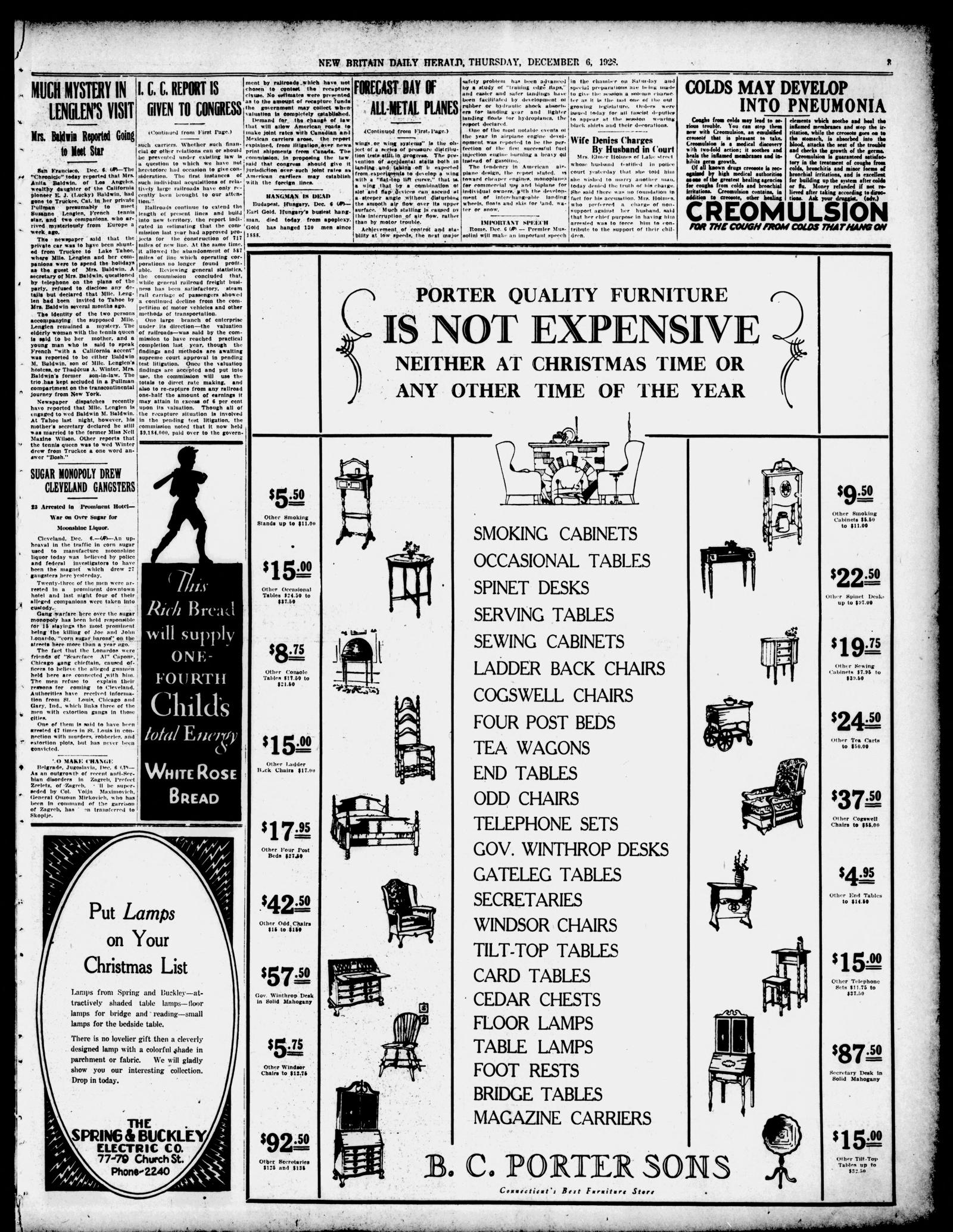 clippingNew Britain Herald, 6 December 1928, page 3: Sugar monopoly drew Cleveland gangstersAn Associated Press report: police and federal investigators believed an upheaval in the corn sugar trade drew twenty-seven 'gangsters' to Cleveland, twenty-three of whom were arrested in a downtown hotel.
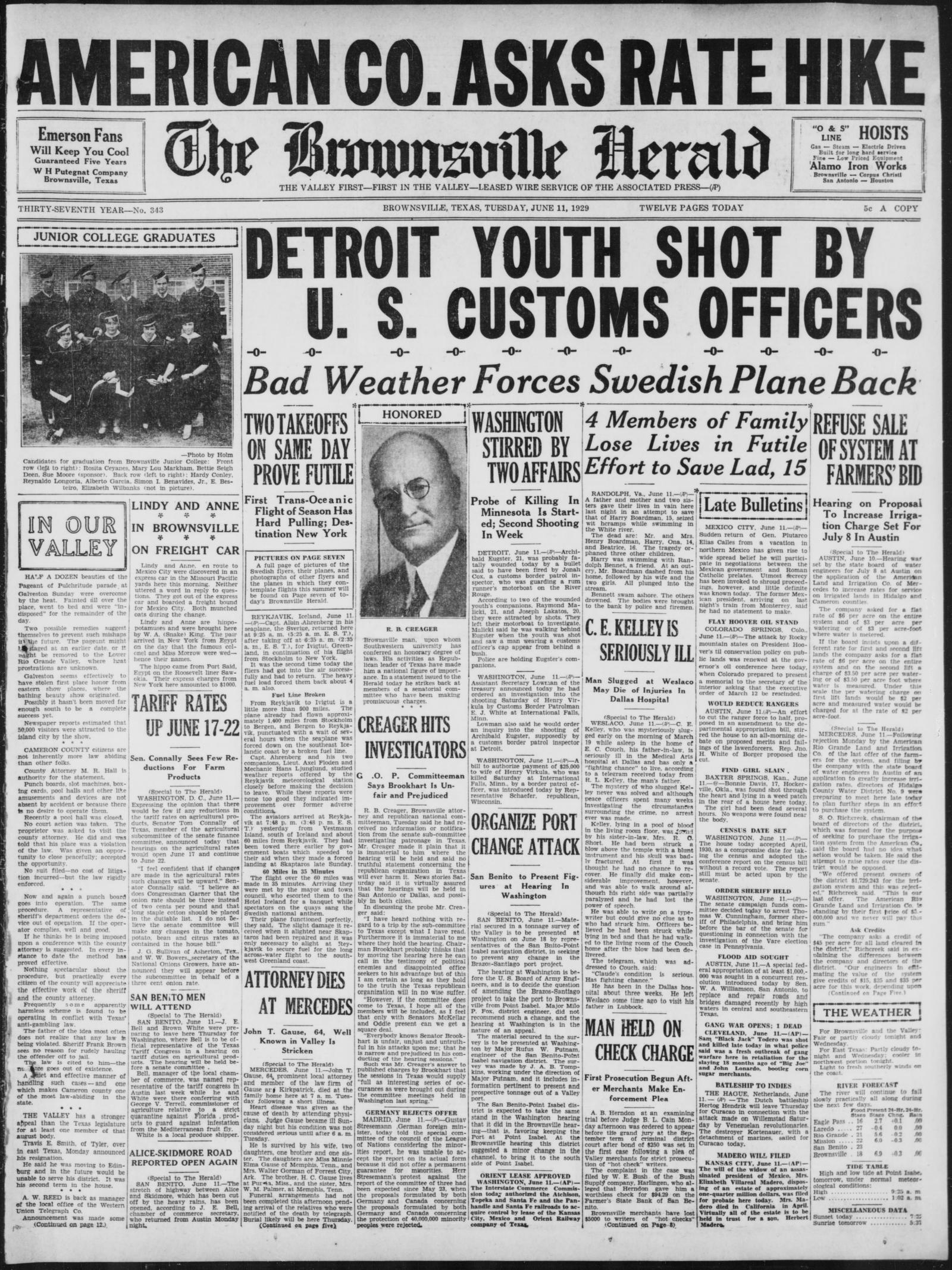 clippingBrownsville Herald, 11 June 1929, page 1: Gang war opens; 1 deadA brief Associated Press bulletin: Sam 'Black Jack' Todaro was shot and killed in Cleveland in what police called a fresh outbreak of gang warfare, in retaliation for the killing of 'Big Joe' and John Lonardo.
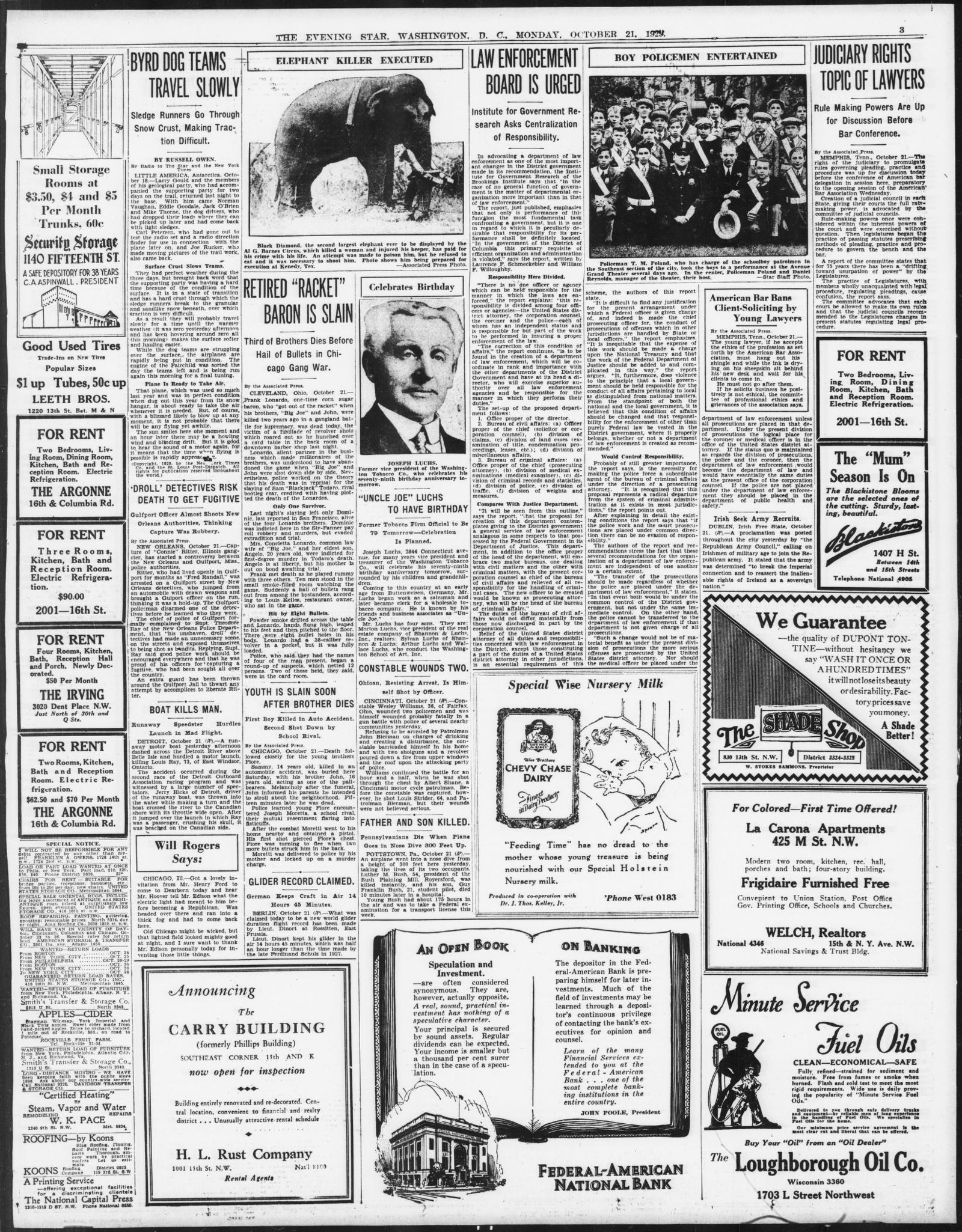 clippingEvening Star, 21 October 1929, page 3: Retired 'racket' baron is slainAn Associated Press report from Cleveland: Frank Lonardo, a one-time corn sugar baron, was shot dead at a card table in a downtown barber shop; the item adds that Mrs. Concietta Lonardo and her eldest son, Angelo, 20, had been indicted for first-degree murder in Todaro's death.
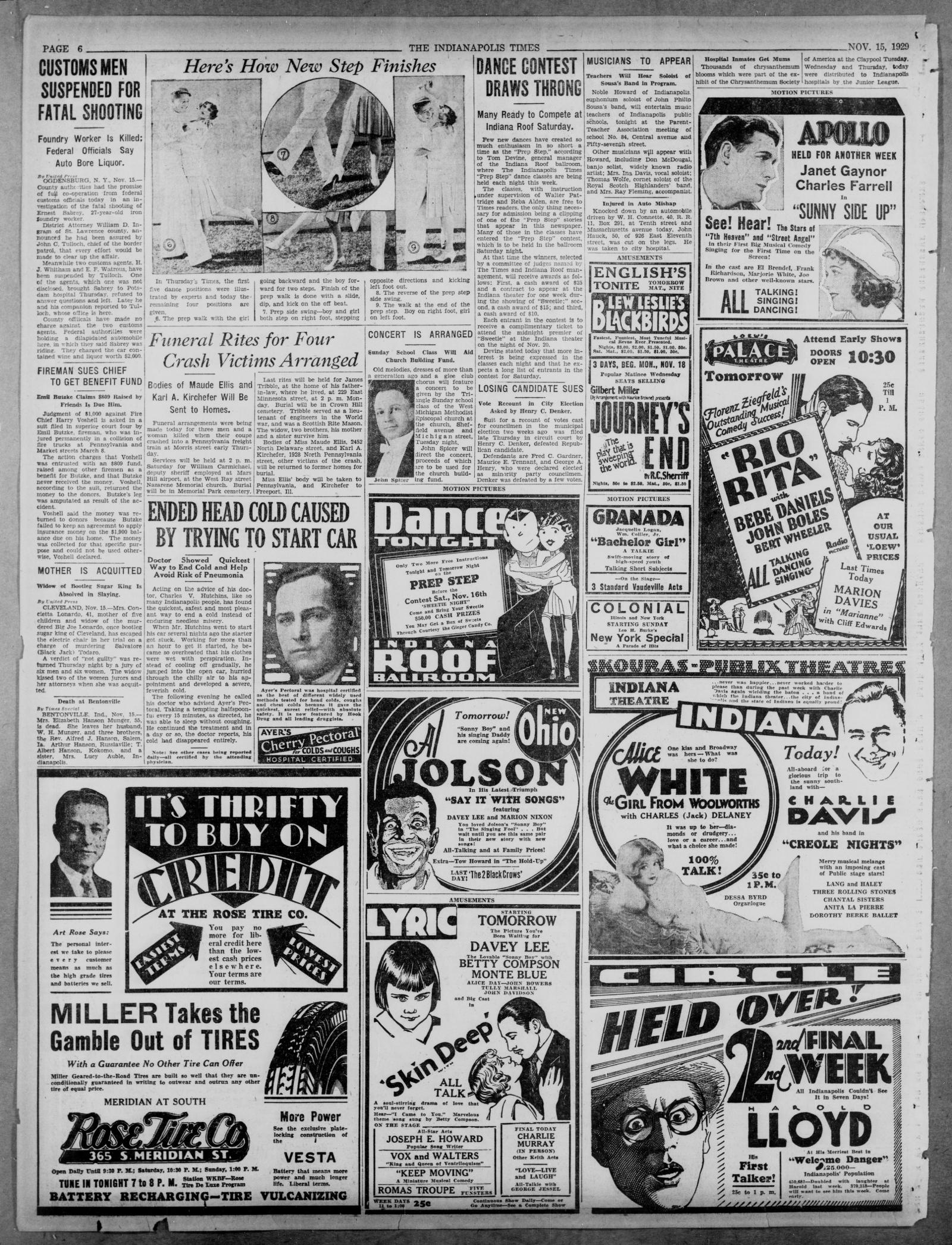 clippingIndianapolis Times, 15 November 1929, page 6: Mother is acquittedA United Press item from Cleveland: Mrs. Concietta Lonardo, widow of the murdered 'Big Joe' Lonardo, was found not guilty of murdering Salvatore (Black Jack) Todaro.
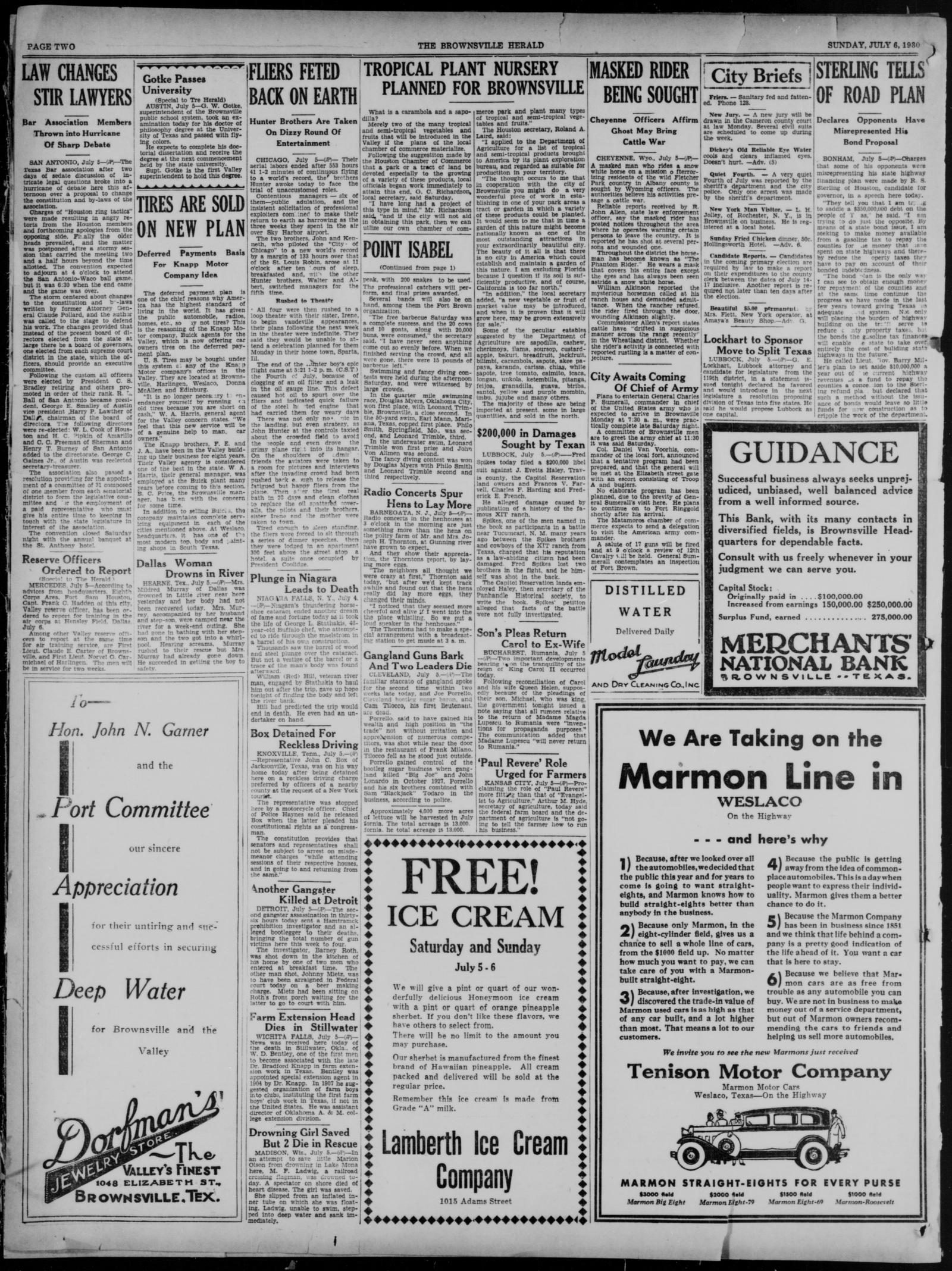 clippingBrownsville Herald, 6 July 1930, page 2: Gangland guns bark and two leaders dieAn Associated Press report from Cleveland: Joe Porrello, 'Cleveland bootleg sugar baron', and his first lieutenant were shot dead, Porrello near the door of the restaurant of Frank Milano.itemSenate subcommittee hearing, 1988: prepared statement of Angelo LonardoThe written statement Angelo Lonardo filed with the Senate subcommittee in April 1988, printed from page 529: his initiation at the Statler Hotel in Cleveland, the people he says were present, the family's ties to New York, Chicago, Las Vegas and Youngstown, and a chronology of Cleveland-area violence.itemSenate subcommittee hearing, 1988: testimony of Angelo LonardoOn 15 April 1988 Angelo Lonardo, testifying behind a screen under a court immunity order, told the Senate Permanent Subcommittee on Investigations that he was 'the former underboss of the Cleveland organized crime family' and described its leaders, its Las Vegas casino income and its dealings with New York and Chicago.